
Human Rights Watch has urged President Nikos Christodoulides to use Cyprus’ forthcoming presidency of the Council of the European Union to reinforce the bloc’s commitment to human rights and the rule of law.
In a letter sent on Wednesday, the organisation warned that the EU continues to struggle with democratic backsliding, highlighting Hungary’s ongoing erosion of judicial independence, civil society freedoms and media pluralism.
It criticised Budapest’s withdrawal from the International Criminal Court after refusing to arrest Israeli Prime Minister Benjamin Netanyahu during an April visit.
Human Rights Watch called on Cyprus to help secure a four-fifths vote to determine that Hungary poses a clear risk to EU values and to press Hungary to reverse its decision to quit the ICC.
Externally, the organisation said Christodoulides will confront the fallout of Russia’s invasion of Ukraine, including extensive evidence of war crimes.
It warned that attacks on civilians have escalated sharply and that atrocities in Russian occupied areas, including the forced abduction of Ukrainian children, may amount to international crimes.
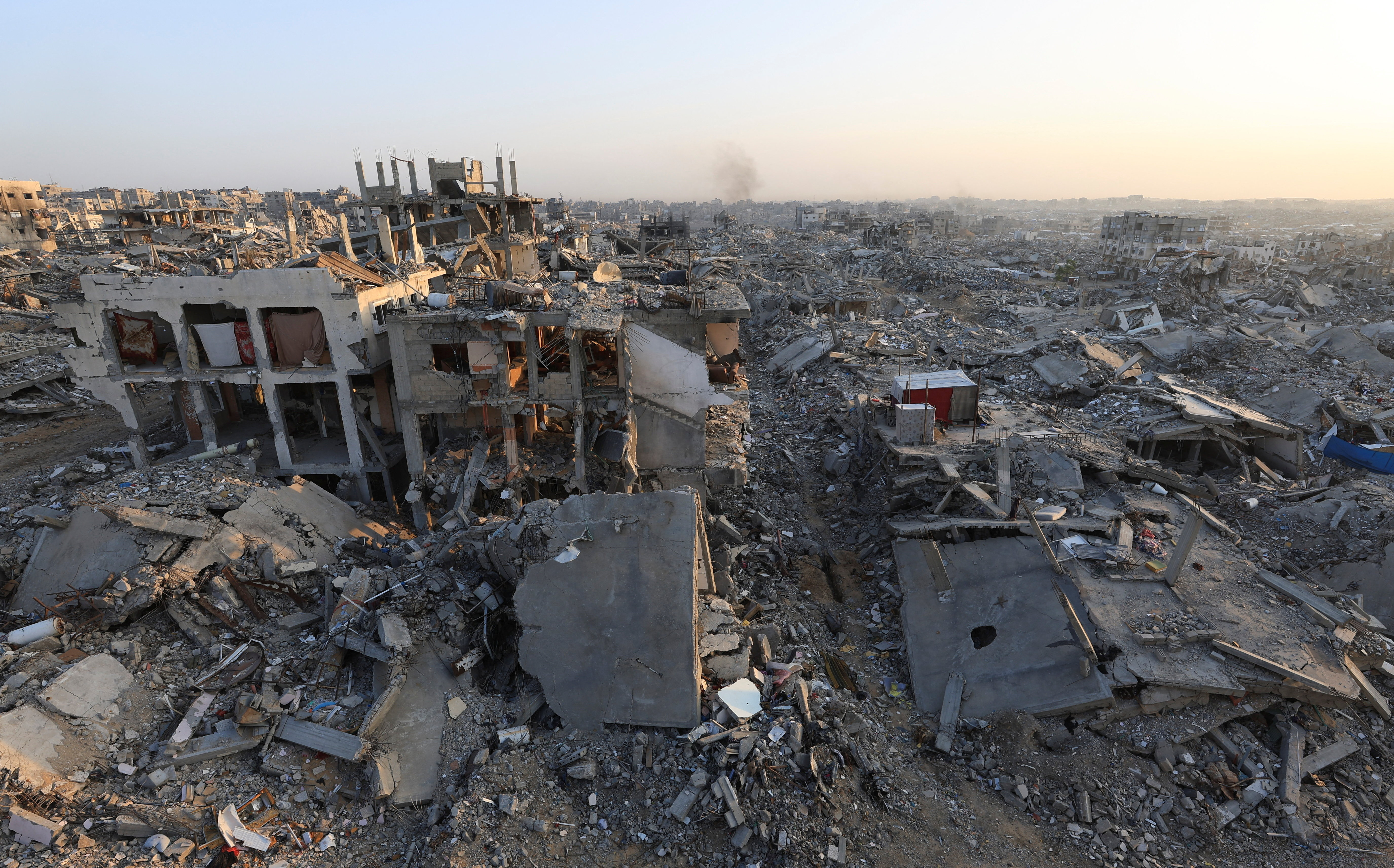
The letter also criticised the EU’s response to Israeli actions in Gaza and the West Bank, citing extensive findings of war crimes and acts of genocide.
It noted that despite the commission’s own assessment concluding that Israel is in breach of the human rights clause in the EU-Israel Association Agreement, member states have avoided adopting measures proposed by the commission president, including trade restrictions.
Human Rights Watch called for the suspension of the agreement’s trade pillar, sanctions on officials implicated in ongoing abuses, and an EU-wide ban on trade with Israeli settlements.
Beyond these high-profile crises, the organisation said civilians in Sudan, Myanmar, eastern Congo, the Sahel and Syria continue to bear the consequences of armed conflict and impunity.
Human Rights Watch concluded that Cyprus has an opportunity to reinforce the EU’s credibility by responding consistently to violations within and beyond its borders.




Click here to change your cookie preferences