
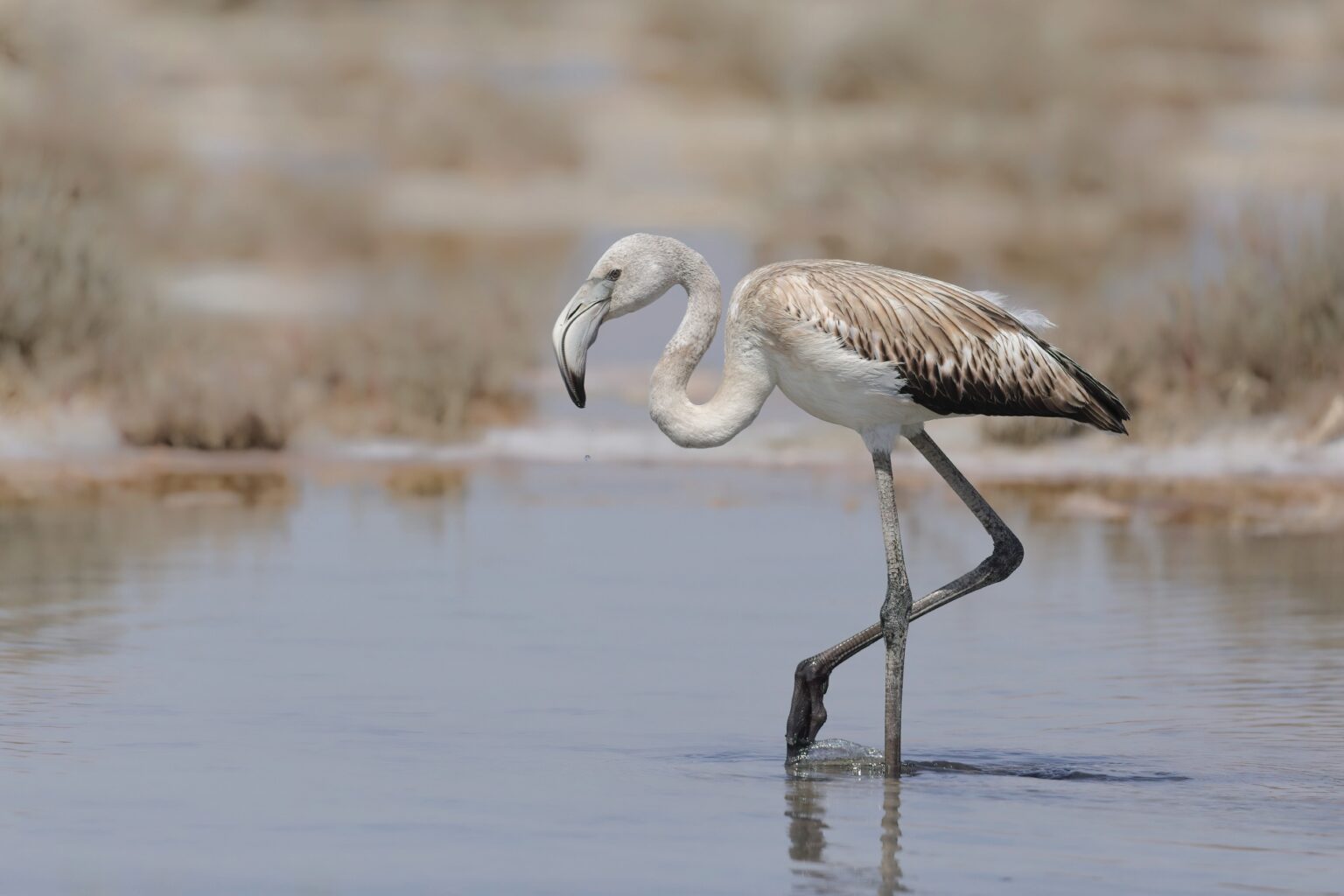
The first wave of flamingos has arrived at Larnaca’s salt lake, but experts warned on Monday the population on the island has declined by up to 31 per cent over the past decade.
The wetlands of Cyprus host one of the largest winter populations of migratory flamingos in the Eastern Mediterranean.
So far, several hundred flamingos have arrived, mainly at five natural wetlands: Akrotiri in Limassol, Larnaca Salt Flats, Paralimni Lake, Oroklini Lake, and some lakes in the Famagusta region.
According to senior game service officer Nikos Kassinis, on average 5,000-10,000 birds winter in these wetlands.
Systematic monthly waterbird counts conducted over two decades by the game service and BirdLife Cyprus reveal this decline.
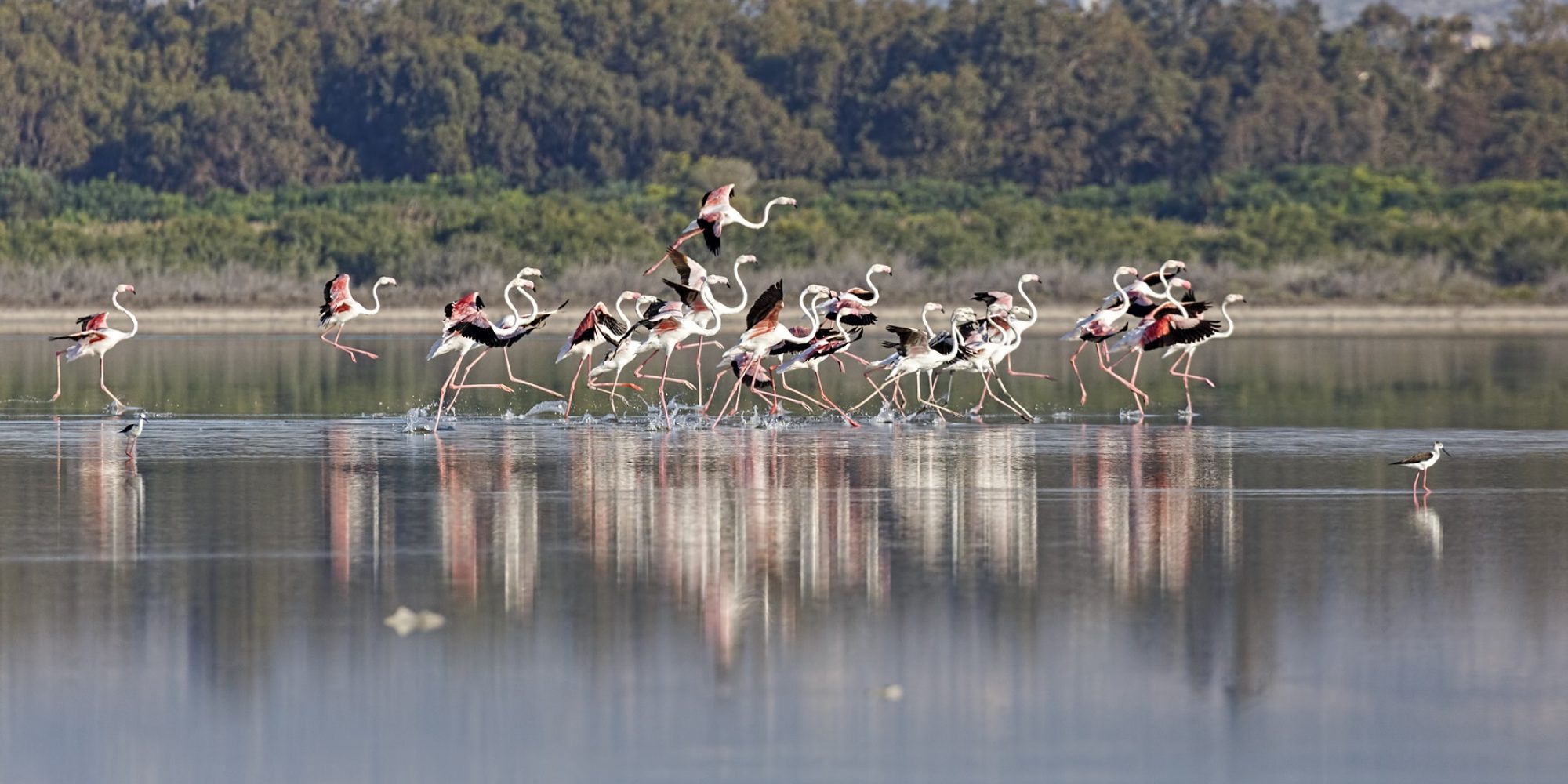
Kassinis said that since 2013, the population has fallen by 14 to 31 per cent.
He attributed the decline to “frequent droughts, inflows of poor-quality water with a consequent reduction in available food, pressures from developments and incompatible activities around wetlands.”
He highlighted the Pandotira Project, a ten-year initiative co-funded by the EU LIFE Programme, which aims to address knowledge gaps about certain species’ feeding, nesting and resting requirements, as well as assess the threats they face.
Flamingos are among the species studied, with the research supporting targeted conservation efforts to improve their status in key special protection areas.
“As a result,” Kassinis added, “the conservation objectives will be achieved, both for the species and for the Natura 2000 Network areas in which we find these species.”





Click here to change your cookie preferences