
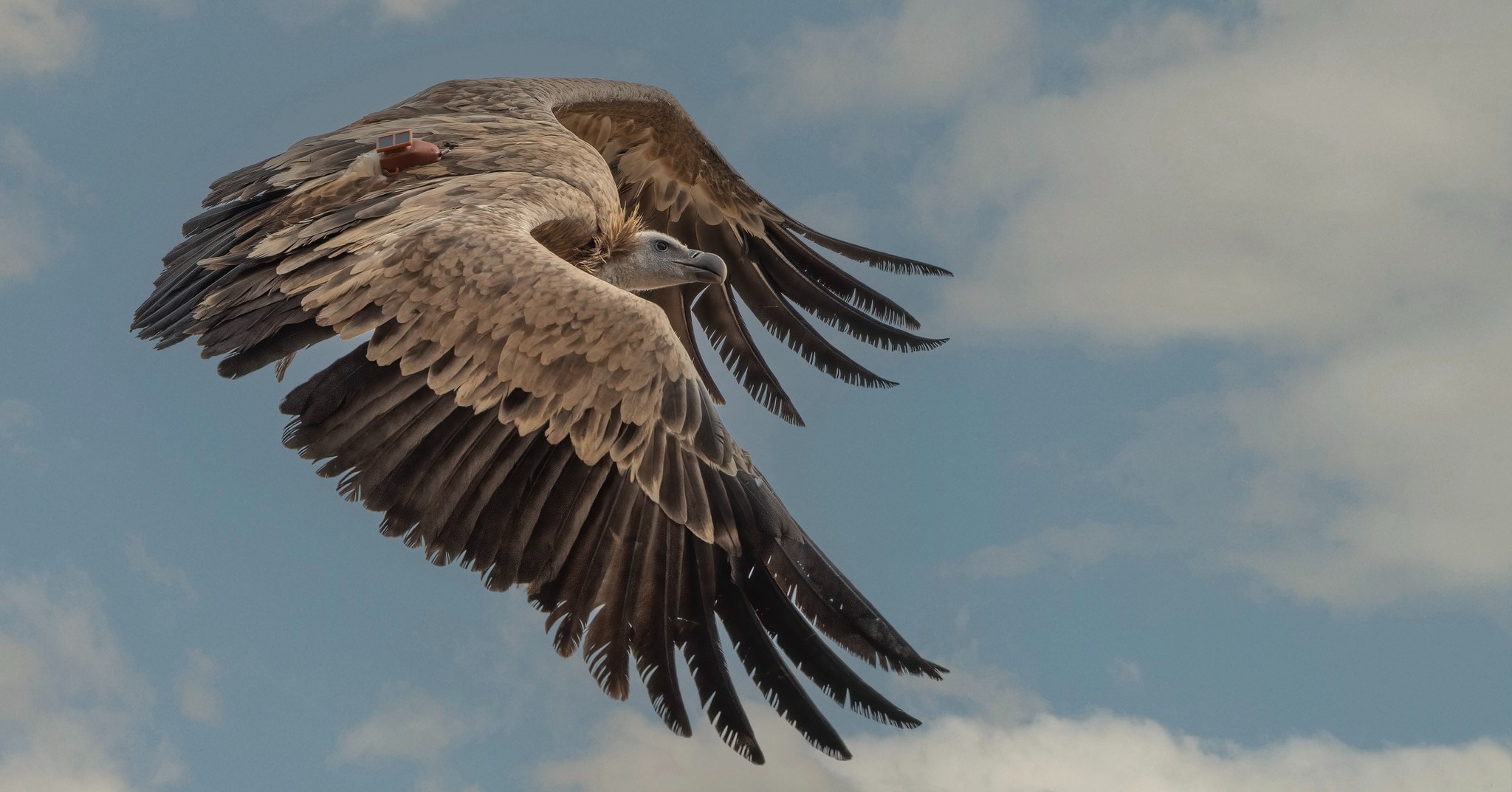
The recent loss of a griffon vulture, fatally electrocuted less than a day after its release following six weeks of rehabilitation, has “devastated” conservationists in Cyprus.
“We are devastated by the loss of the vulture so soon after its release,” director of Cyprus Wildlife Research Institute Kemal Basat told the Cyprus Mail.
Originally transferred from Spain, the bird was released into the wild in July 2024. In October its transmitter signalled prolonged immobility, prompting the monitoring team to alert the institute.
The team spent weeks providing intensive treatment to an animal initially given little chance of survival.
“Seeing her take off soaring strongly again was a moment of genuine hope for us,” Basat said. “To then lose her to electrocution on a power line so soon afterwards is heartbreaking, both emotionally and scientifically.”
This tragedy is far from isolated, as electrocution and poisoning remain the leading causes of unnatural deaths among griffon vultures in Cyprus. Given that the island’s entire population numbers only a few dozen birds, the death of any individual is a serious blow to the species’ recovery prospects.
Basat stressed the urgent need for coordinated action: “If we are serious about saving vultures and other large birds of prey in Cyprus from extinction, insulating at least the high-risk 11 kV power lines needs to be an island-wide national priority.”
The same commitment, he added, must target indiscriminate poisoning, which, while illegal, remains widespread. “Without serious enforcement, it continues to kill our vultures,” he said.
“The saddest part is that both threats facing vultures are entirely human-made and completely preventable,” he said. “Whether we take meaningful action to secure their future — or stand by as they disappear one by one — is the decision we face today”.



Click here to change your cookie preferences