
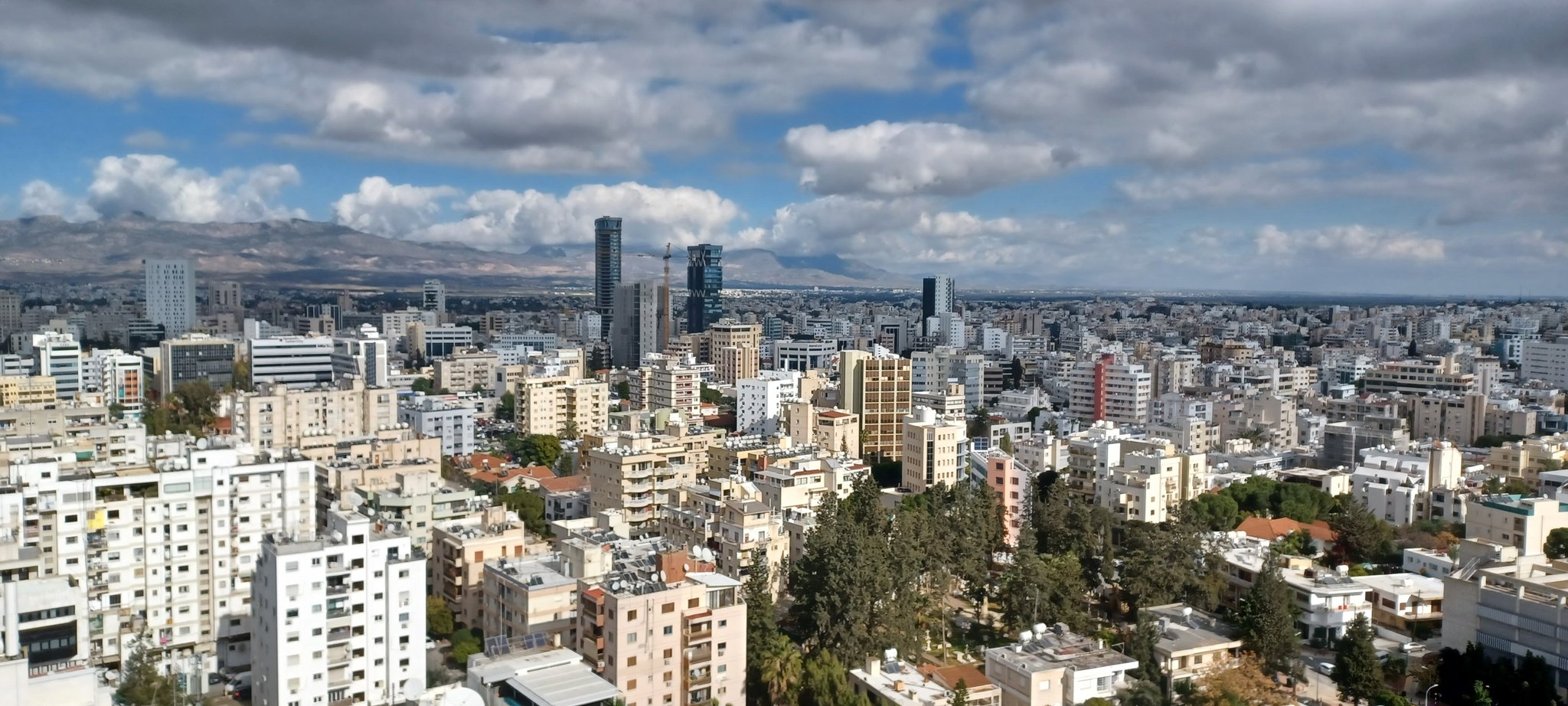
Deputy Minister of Tourism Kostas Koumis and Nicosia mayor Charalambos Prountzos met at the premises of the Nicosia municipality to discuss an action plan aimed at promoting the capital as a sustainable, alternative urban tourism destination.
According to an announcement from the ministry, the meeting, part of its engagement efforts with local authorities, brought together officials from the Deputy Ministry, the Municipality of Nicosia and the Nicosia regional tourism board (Etap).
Participants agreed that, with targeted planning, Nicosia could develop into a tourism offering unique within Cyprus, built around its cultural identity and historical character.
Koumis said it was not in the country’s interest that the capital had remained outside the tourism growth seen in coastal areas, adding that “it is the responsibility of all of us to upgrade the capital’s tourism.”
He noted that a number of developments were now moving in the right direction, creating a basis for strengthening Nicosia’s profile as an urban destination.
Among them, he pointed to the expected increase in accommodation capacity, saying that by 2027 the number of tourist beds in Nicosia is set to double, with at least four new hotel units expected to operate.
This, he added, should be assessed alongside other positive factors, including the city’s recent international distinctions.
Referring to Nicosia’s recognition as Culinary Capital 2024 by the World Gastronomic Tourism Organisation and its award as Best Beverage Experience Destination for culinary travellers, Koumis said “these achievements, together with improving air connectivity and a generally positive outlook for Cyprus tourism, provided momentum that should be harnessed through close public-private cooperation.”
Prountzos said Nicosia could contribute substantially to upgrading Cyprus’ hospitality product by offering an experience different from traditional destinations, building on its culture, history, gastronomy and architectural heritage.
At the same time, he described the capital as an outward-looking European economic, administrative, academic and research centre.
“It is a city that combines the old and the modern while maintaining its authenticity and coherence,” Prountzos said, noting that this was the first time a senior political figure responsible for tourism had taken part in an in-depth, structured discussion at the municipality on the city’s tourism prospects.
He added that priorities such as conference tourism, as well as the promotion of Nicosia’s history and gastronomy, had been identified, particularly in view of the planned doubling and qualitative upgrade of accommodation capacity by 2027.
The mayor referred to strategic projects, including the upgrade of the historic centre, preparations to fully utilise the new Archaeological Museum and plans for a conference centre at Sopaz.
He said cooperation with the Deputy Ministry would continue, including efforts to find a suitable location for a tourist service point near the city’s pedestrian areas.
The Deputy Ministry said similar visits and meetings with local authorities and sector bodies across Cyprus will continue in the coming period.

Click here to change your cookie preferences