
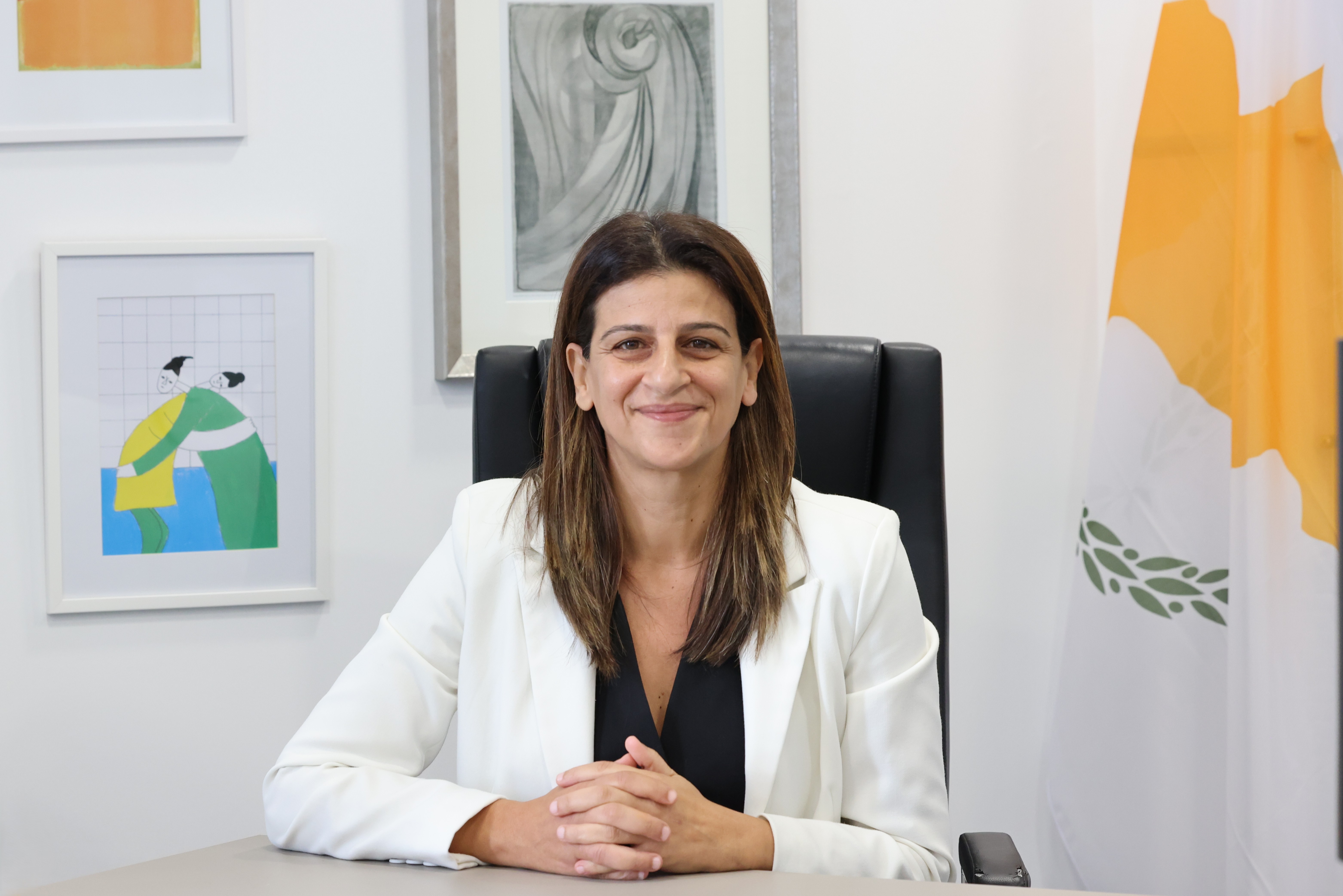
‘It’s not a competition between women and men, but a matter of democracy, justice and financial sustainability’
For Josie Christodoulou, gender equality is not a single policy challenge to be solved in isolation, nor a slogan to be repeated. It is a question of how societies are organised, how power is distributed and how everyday decisions, at home, at work and in public life, shape women’s independence, safety and opportunities.
Since accepting the role of Commissioner for Gender Equality, her focus has been on addressing these realities together, rather than treating inequality as a set of separate or competing priorities.
“When discussing gender equality and human rights, it’s not about ranking issues but addressing them together with coherence and determination,” she said.
The first step, she added, is to understand the history of gender inequality, to frame the issue clearly and to tackle it head-on.
Deep-rooted stereotypes and biases embedded in socioeconomic systems, Christodoulou explained, continue to shape gender segregation in employment, the gender pay gap, the underrepresentation of women in leadership and the unequal burden of unpaid care work. Together, these factors result in lower levels of financial independence for women.
Since taking office, the focus has therefore been on a holistic approach. Cyprus’ national strategy for gender equality, she said, is built on cross-sector action and cooperation with all ministries, local authorities, businesses, trade unions, academia, civil society, women’s rights organisations and the media.
The goal, Christodoulou noted, is to create lasting change by shifting societal views on gender roles and promoting equality not only in workplaces, but also in homes and schools. This requires strategic implementation centred on policies and actions that deconstruct stereotypes, promote role models, reconcile work and family life, provide incentives and enhance collaboration.
Equality, she stressed, is too often discussed in abstract terms. In everyday practice, genuine gender equality in Cyprus should be visible and concrete.
“It’s not a competition between women and men, but a matter of democracy, justice and financial sustainability,” she said.
In practical terms, this means equal representation, equal treatment in workplaces and equal pay, where promotions and salaries are based on merit rather than gender. It also means supporting men through parental leave and flexible working arrangements, while ensuring women are not penalised for balancing family and career.
Beyond the workplace, she added, it means raising children in environments free from biased expectations, allowing them to pursue their interests and ambitions without stereotypical or prejudiced limits, as well as ensuring safety and respect at work and in public life, free from stereotypes and discrimination.
Christodoulou’s approach is shaped by both her academic and professional background in psychology and equality studies.
Her vision for a more inclusive society, she said, was influenced early on by a discomfort with injustice.
Her studies in psychology helped her understand individual behaviour, while the sociology courses she chose deepened her understanding of social structures, institutions and the forces that shape societies.
Combined with the strong influence of role models, both women and men, her education and personal experiences made it clear to her, she said, that gender equality must be a key policy goal.
Economic independence, Christodoulou emphasised, is central to gender equality, as it enables women to exercise their rights and make independent choices.
Cyprus, she acknowledged, has made progress in this direction. Female participation in employment stands at 86.3 per cent, the highest rate in the European Union, while women’s unemployment in the 25–64 age group stood at 4.6 per cent in 2024.
However, significant gaps remain. Women continue to be concentrated in lower-paid sectors such as care, while male-dominated fields like IT and engineering offer higher wages.
This imbalance, combined with the unequal burden of caring for and educating children, older and disabled relatives, as well as women’s continued involvement in cooking and housework, contributes to a gender pay gap of around 12 per cent, broadly in line with the EU average.
“These disparities are driven by deep-rooted stereotypes and structural barriers, not women’s abilities or ambitions,” she said.
To close these gaps, Christodoulou pointed to a series of measures being pursued by the government of President Christodoulides.
These include strengthening legislation, promoting gender-equal workplaces and investing in awareness campaigns, education and work-life balance policies, including measures that were once seen as unrelated to gender equality.
Reforms already underway include extended maternity and parental leave, midwives’ support for self-employed parents, expanded preschool education, and the gradual expansion of all-day schools and childcare. At the same time, the government is proceeding with the formation of a gender-responsive state budget.
Proposals within the context of the intended tax reform, she said, take into account the individual within the family structure, as well as single parents, who in their majority are women. Gender equality will also guide policies related to pension reform.
Together, these measures create real opportunities for women to participate more fully in the labour market and in public life.
The private sector, she added, also has a key role to play by adopting transparent pay structures, flexible work arrangements and mentoring programmes.
Alongside policy changes, Christodoulou noted that attitudes toward gender roles in Cyprus are gradually shifting, with increasing participation of women in education, employment, entrepreneurship and decision-making.
However, she stressed that challenging and deconstructing stereotypes must continue, while ensuring that policy reforms are matched by cultural change if equality is to become a reality in all areas of life.
Sexism, she said, has not disappeared, it has changed form.
“It has evolved,” she noted, becoming more subtle, more structural and increasingly digital. These forms of sexism reinforce stereotypes and affect women across all areas of life, including public discourse, where women are silenced through harassment, threats, intimidation and the non-consensual sharing of personal material and deep fakes.
“These digital attacks are real and harmful,” she said.
To confront these newer expressions of sexism, Christodoulou argued that society must act on multiple fronts, while technology organisations must also take responsibility. Systematic awareness-raising through the media and public campaigns is essential, she said, alongside the full implementation and enforcement of legislation.
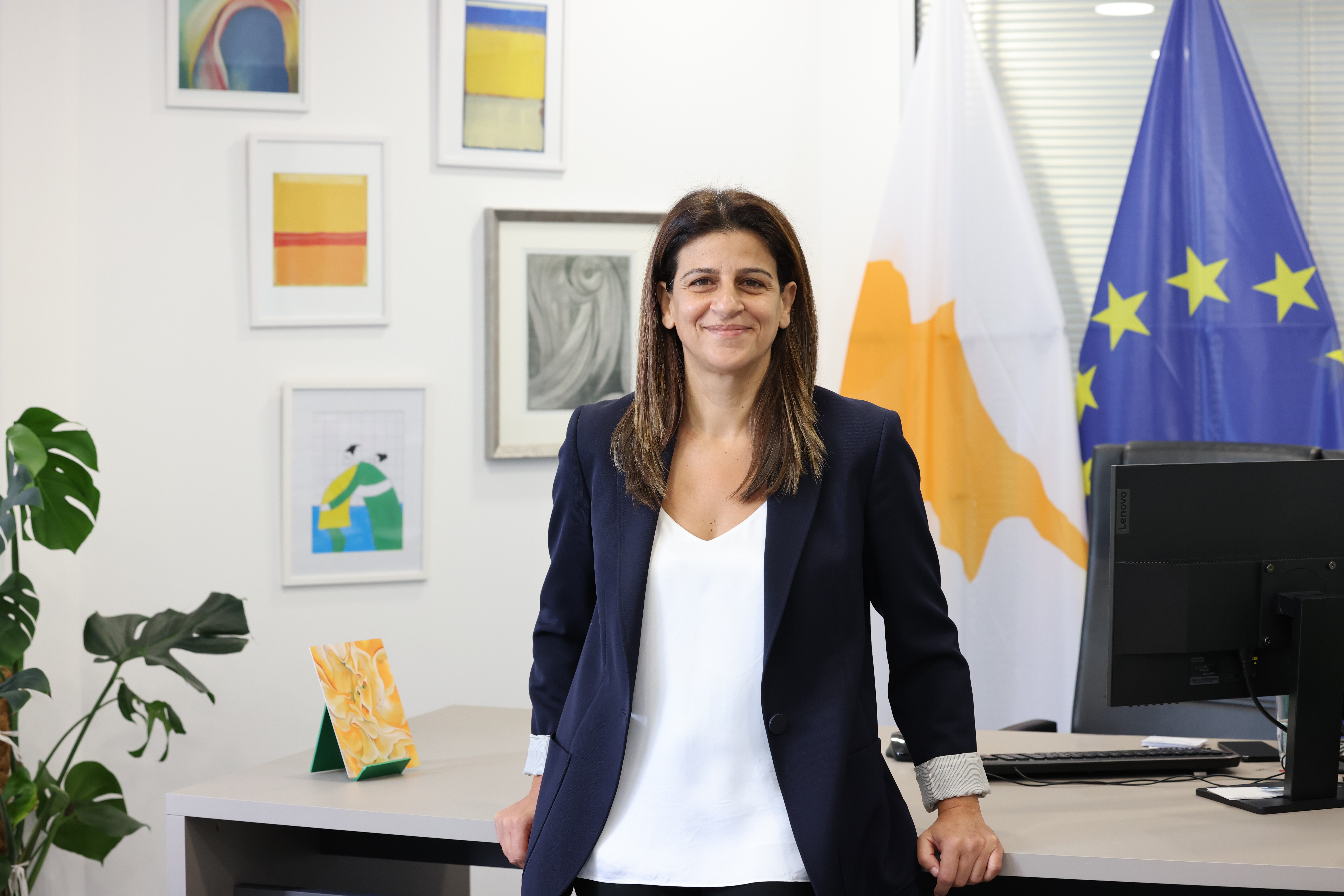
Since December last year, her office has been responsible for monitoring the implementation of the Law for Combating Sexism and Online Sexism. This work includes visits to schools, discussions with children on stereotypes and workplace sexism and efforts to ensure that reporting mechanisms are accessible, transparent and supportive for victims.
The media, Christodoulou believes, hold significant influence in shaping public understanding of gender equality. Journalists and digital platforms, she said, have the power either to reinforce harmful stereotypes or help dismantle them, and therefore carry a responsibility to report gender issues fairly, accurately and without sensationalism.
Language and imagery, she added, directly influence society’s understanding of violence, discrimination and women’s representation.
To support more responsible reporting, her office organised a two-day seminar on gender and the media, focusing on avoiding stereotypes.
Feedback from participants showed a strong demand for additional tools and knowledge. In parallel, a journalists’ contest on gender equality was launched to reward exemplary reporting and encourage higher standards of ethical journalism.
As technology becomes increasingly central to daily life and work, Christodoulou warned that new forms of inequality are emerging. Women are disproportionately affected by online violence, harassment, sexism, bullying, non-consensual sharing of personal data and account breaches. At the same time, women remain underrepresented in cybersecurity and technology professions.
This underrepresentation, she explained, leads to systems, algorithms and applications being designed without taking into account women’s needs and experiences. As a result, AI systems are likely to embed biases and reproduce gender stereotypes. Without proper oversight and without sufficient participation of women in development teams, algorithms can maintain or even reinforce discrimination.
“Gender equality is not an optional concept in the digital age,” she said. “It is a necessary condition for creating safe and fair technologies.”
Digital literacy, she added, is therefore critical.
In a world where technology shapes how people work, communicate, access services and participate in civic life, the ability to navigate digital tools is essential for economic independence, career advancement and social inclusion.
One of her office’s priorities, she said, is to provide digital training programmes for women in rural areas, enhancing entrepreneurship, independence and professional networking.
Political decision-making remains another area where structural barriers persist.
Christodoulou said a key step forward would be for political parties to actively promote women within their own structures, not only by placing them on ballots, but by giving them real influence in committees, leadership and decision-making.
Accompanied by representatives of the National Machinery for Women’s Rights, she has met with party leaders to discuss equal representation on party ballots ahead of the 2026 parliamentary elections.
Proposals include applying quotas in the composition of party ballots, combined with the creation of nurseries in or near parliament and political party offices, to facilitate the equal participation of parents who wish to engage in politics.
The aim, she said, is to create a gendered, safe political environment. Without proactive action, existing barriers will remain.
Men’s involvement, Christodoulou stressed, is essential. Gender equality cannot be achieved if half the population stands aside.
She said she would like to see more men sharing care responsibilities, challenging stereotypes and using their influence in workplaces and public life to actively support equality.
Men should be involved, she added, because gender inequality affects them as well. Gender stereotypes and social perceptions about the qualities expected of men and the roles assigned to them limit their potential. Barriers to men’s participation include deep-rooted social perceptions, social stigma and fear of negative criticism, often resulting in unequal involvement in care.
This is why measures are being implemented to involve men and boys, including discussions in school programmes that help boys reflect on stereotypes, promote respect and develop empathy.
Civil society, Christodoulou said, plays a decisive role in shaping a more equal and respectful society. By challenging stereotypes, promoting respect and creating spaces for learning and support, civil-society groups drive the cultural change required for equality. For her office, civil society is a key partner, and a fundamental element of democracy.
Gender equality, she stressed, cannot be achieved by government alone. This is why the National Strategy for Gender Equality was shaped through broad public consultation, with women’s organisations, NGOs, academics and social partners ensuring that it reflects real needs and lived experiences. Their input, she said, was decisive.
Through the National Machinery for Women’s Rights, which she chairs, and the Civil Society Platform that was created, ongoing dialogue and joint monitoring of the strategy’s implementation continue.
Looking ahead over the next five to ten years, Christodoulou said she envisions a Cyprus where gender equality is part of everyday reality. This would be reflected in shared responsibilities at home, balanced representation in leadership and institutions that remove barriers before they appear. It would be a society where equal opportunities are understood as a collective responsibility, allowing every woman and every man to participate fully and thrive.
Achieving this vision, she added, depends on joint action, with political parties, civil society, the private sector and individuals working together to drive lasting cultural and structural change.
Her message to young women in Cyprus, whether local or newly arrived, is direct.
“Your ambitions are valid, and they belong to you,” she said. Feeling constrained by expectations or circumstances, she noted, reflects real barriers rather than personal shortcomings.
Many women who are changing Cyprus today felt the same pressure, she said, and moved forward not because obstacles disappeared, but because they refused to let those obstacles define their limits, building on the work of women who came before them.
“You do not need permission to aspire, to lead, or to take up space,” she said, urging young women to seek knowledge, build networks and choose allies who respect their voice.
To boys and young men, her message is equally clear: their role matters.
Equality, she said, is not a loss. Challenging stereotypes, sharing responsibility at home and in care, and using their voices to support fairness and respect are all part of building equality.
“Equality is built also by those who choose to stand with it.” Ultimately, Christodoulou said, removing barriers and building a safe and just society for all is a collective responsibility.


Click here to change your cookie preferences