
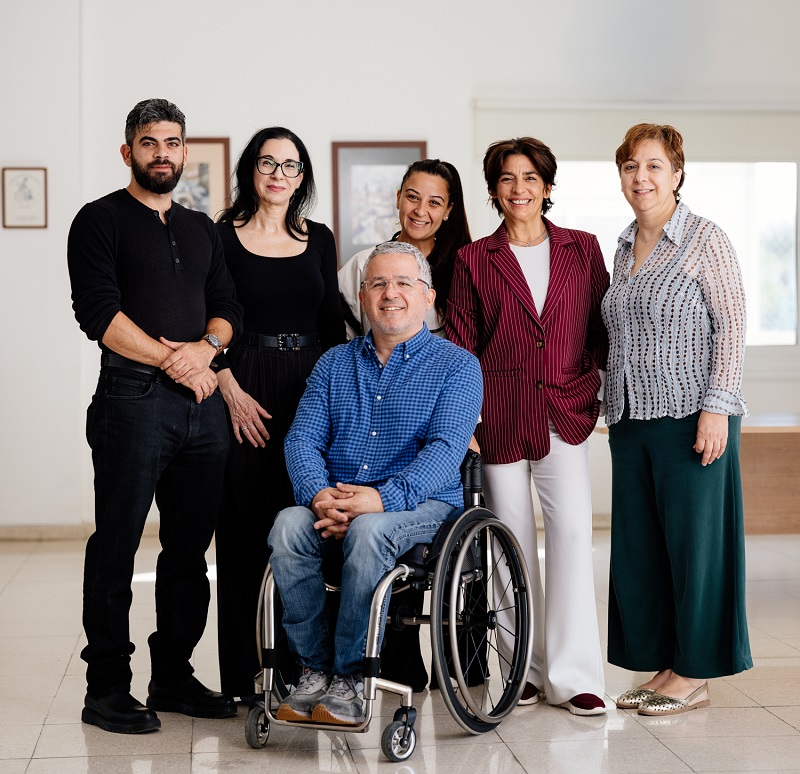
Cyprus is moving ahead with the implementation of a coherent set of interventions that strengthen social inclusion and improve the quality of life of persons with disabilities through the Cohesion Policy Programme “THALIA 2021-2027,” with a budget of €61.5 million allocated and co-financing from the European Union.
These are projects that support the implementation of the European Pillar of Social Rights and are part of the National Strategy on Disability 2024-2028 and the corresponding National Action Plan, which have been drawn up in accordance with the provisions of the United Nations Convention on the Rights of Persons with Disabilities.
The main objective is to promote equal opportunities, combat discrimination and social exclusion, and ensure the active participation of persons with disabilities in social and economic life.
Incentive scheme for recruitment of persons with disabilities
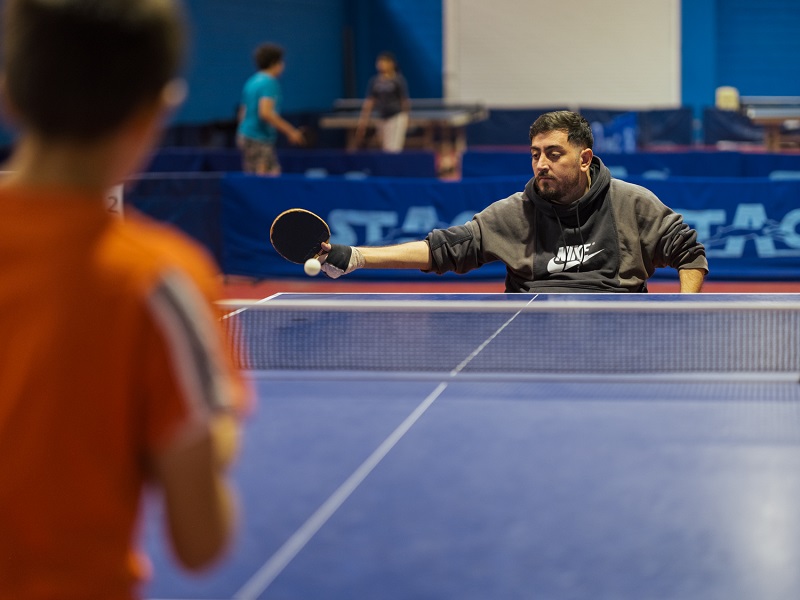
In the field of employment, the Department of Labour is implementing the “Incentive Scheme for the Recruitment of Persons with Disabilities”, with a total budget of €2.0 million for the period 2021-2027. The Plan provides incentives to employers to recruit unemployed persons with disabilities into new jobs in the form of a subsidy covering part of the wage costs for a period of 24 months, with the aim of increasing the employment rate and reducing unemployment among persons with disabilities.
The measure is part of the Active Employment Policies promoted for the integration of vulnerable groups into the labour market.
Expansion and upgrade of disability assessment system
At the same time, with a budget of €10.5 million, the New Disability Assessment System is being implemented by the Department of Social Integration of Persons with Disabilities. The System is based on the standards of the International Classification of Functioning and Disability (ICF) of the World Health Organisation and provides for a holistic and individualised assessment of the needs and capabilities of persons with disabilities.
The process is implemented through three assessment centres operating in Nicosia, Limassol and Larnaca and extends beyond disability certification to cover home care needs, supported independent living and integration into the workforce. The goal is to serve an average of 3,500 people per year and to gradually create a National Register of Persons with Disabilities.
Network of independent living facilities in the community
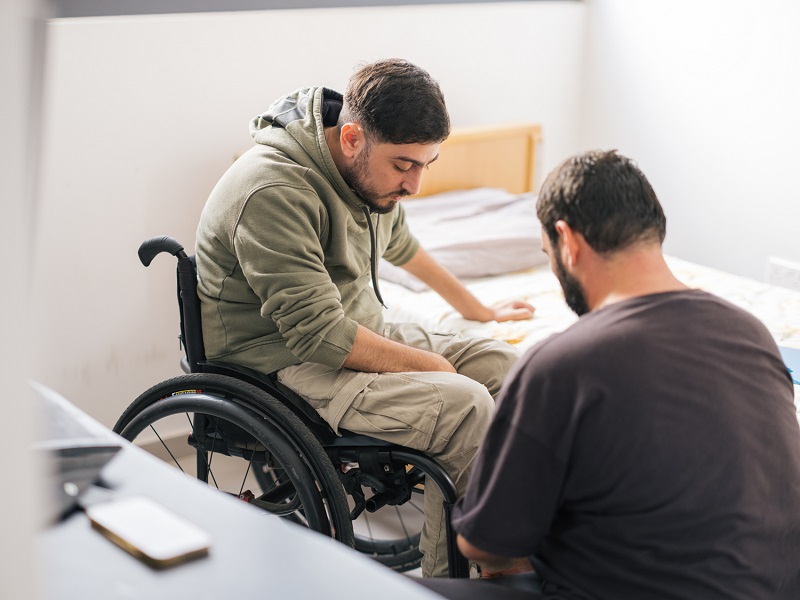
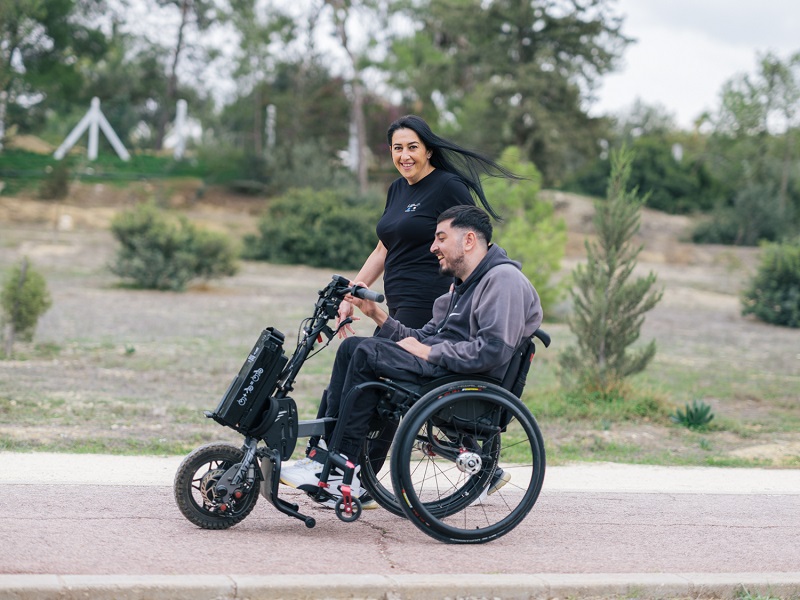
With a budget of €22.0 million, the creation of an integrated network of independent living facilities and services in the community is being promoted. The project is aimed primarily at people with severe disabilities, including people with intellectual disabilities and/or autism, and provides for the operation of 12 small-scale residences and eight individual independent living programmes, to integrate persons with disabilities into the community and wider society, providing them with all the physical support they need to live as members of the community, on an equal basis with others and in accordance with their personal choices and preferences regarding their living arrangements and conditions.
Support for independent living serves the fundamental right of every person to live independently and aims to develop and maintain their skills and abilities to the maximum extent possible, so that they can live as autonomously and actively as possible in society, with the ultimate goal of avoiding marginalisation, social exclusion or institutionalisation.
New social integration services network
Meanwhile, €10 million is being allocated to fund the “New network of social integration services for people with disabilities”, which is being implemented by the Department of Social Integration of People with Disabilities in collaboration with the Cyprus Confederation of Organisations of Disabled People (KYSOA). The project, which began in September 2025, will provide personal assistance, social support, training and employment support services throughout Cyprus, while also strengthening organisations of persons with disabilities as service providers.
Enhancing the availability, accessibility and adequacy of quality, professional social inclusion services for persons with disabilities, such as personal assistance, care, accompaniment, social support, communication support, training, employment support, living support and decision-making support, is necessary to ensure equal opportunities for their full and effective participation in society.
As part of the project, services are provided by specialised decision-making support counselors, trainers, employment integration professionals, personal work assistants, social escorts/assistants, etc. In addition, the aim is to strengthen organisations of persons with disabilities, so they themselves, as legal entities, can become providers of the necessary services to persons with disabilities.
Home care services
With a budget of €11 million, the Cyprus Paraplegic Organisation is implementing the project “Provision of home care services to people with disabilities”. The project aims to promote equal opportunities and combat social exclusion for people with disabilities, offering support and home care services to people with paraplegia and quadriplegia as a result of spinal cord injury, as well as to people with myopathy, by professionally trained caregivers.
The provision of these services maximises the possibility of independent living and supports the individuals served to participate to a greater extent in various aspects of life, such as education, recreation and vocational rehabilitation.
Family support centre for autism
The “Aktida” Family Intervention and Support Centre for Autism a model centre, created and operating under the supervision of the Department of Social Integration of Persons with Disabilities, has a budget of €6 million to provide early intervention and holistic support services to children with Autism Spectrum Disorder (ASD) throughout Cyprus.
Taking into account the increasing number of children diagnosed with Autism Spectrum Disorders, the value added by early skills training and support at the critical age of up to five years, as well as the need to support and guide parents and other family members, the Centre’s goal is to provide early intervention and support to both the child and the family, so the child can acquire maximum social skills and is prepared before entering school, and the family can maintain its cohesion, unity and harmony.
The project offers psychological support services to parents and family members, with an emphasis on cohesion, quality of life and empowerment. In addition, home-based training is provided to develop daily skills and behavioural support and guidance for parents. Social support, information and liaison with services for holistic family support are also offered.
The Centre’s activities enhance social inclusion and improve the quality of life of beneficiary families, while promoting awareness of autism in Cypriot society.




Click here to change your cookie preferences