
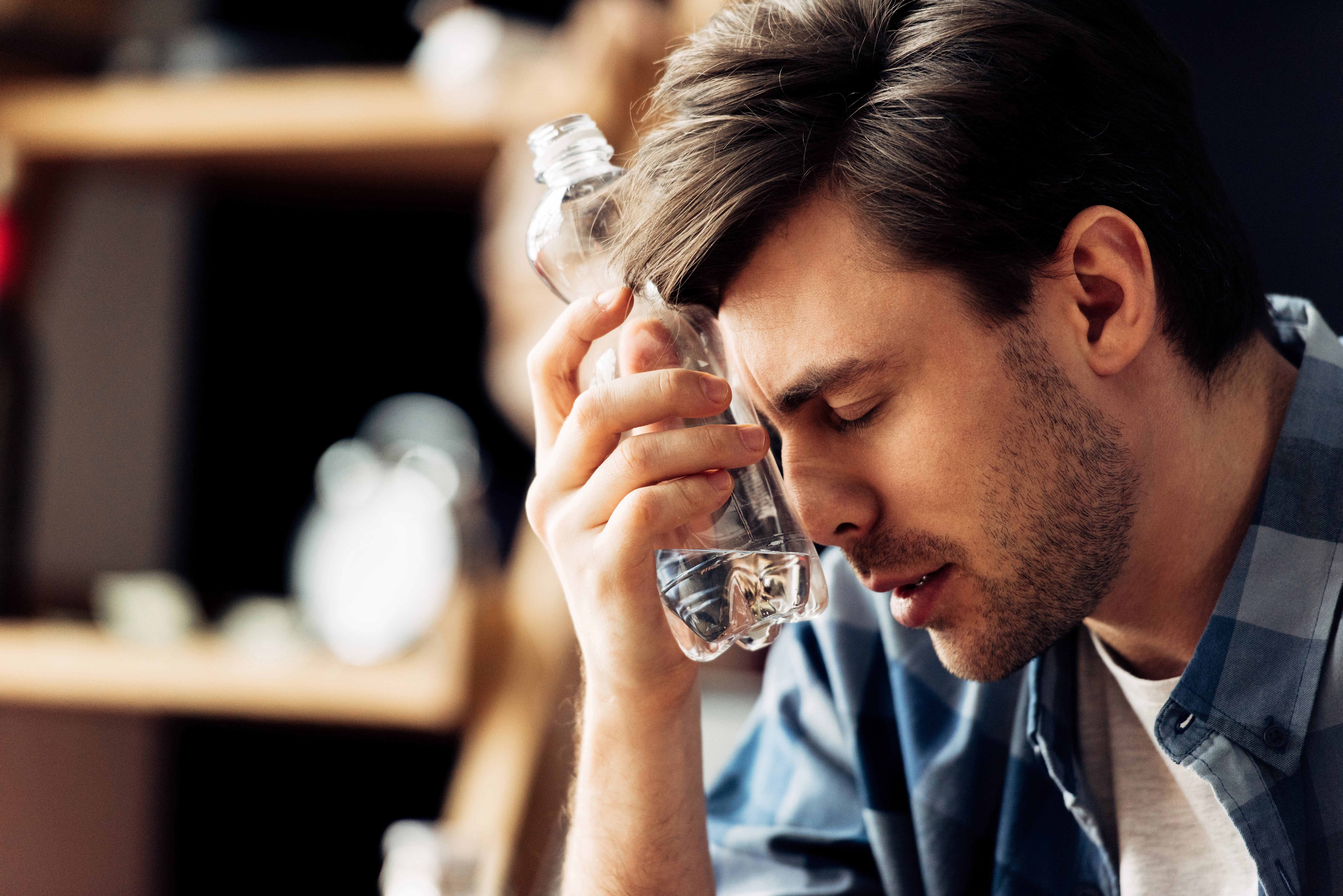
Hangover pills join a long list of cures from pickle juice to trusty electrolytes
With the holidays now behind us and carnival days looming ahead, Cypriots love a night out, even if it means consuming enormous amounts of alcohol and regretting it the next morning.
Ready to solve this unfortunate but predictable problem are anti-hangover pills, widely available at most pharmacies in Cyprus. They are marketed as ‘quick cures’ to relieve last night’s poor decisions. But do they work?
There is a long history of creating home remedies to treat hangovers. In Poland and Russia, people drink brine leftover from pickled vegetables, as the salts help restore electrolytes lost from alcohol. In Japan, salt-cured fermented plums are a traditional folk remedy, consumed before bed after binge drinking, and believed to help the liver process alcohol more quickly.
In Cyprus, however, we’ve never faced the challenge of creating a hangover remedy. The warm weather and food-focused culture never created the urgency to drink immense amounts of alcohol, unless we’re partying. Could that be why many are unaware of these products’ availability?
Hangover symptoms result from how our bodies metabolise alcohol, which in excess leads to dehydration and electrolyte imbalance. Then come the undesired side effects: dizziness, vomiting, sensitivity to light, headaches and increased thirst, all symptoms these cures promise to fix.
From Sapiens Hangover ‘Fresh Morning’ capsules to Adams Supplements ‘Hang Over,’ some come as pills and others are dissolvable. Sometimes consumed pre-emptively, while others must be taken both before and after drinking. The EU grew sceptical of these products, arguing that they essentially ensure intoxication by offering an easy fix to the main discouraging aspect of getting drunk. After all, the fear of the next day’s hangover is often the only thing keeping you from consuming pint after pint.
Electrolytes have long been the standard go-to treatment, when home remedies fell short, especially before these hangover cure supplements appeared into the market as a hyper-targeted fix. Though proven effective for the morning-after survivors, electrolytes address far more health-related issues, not just hangovers. They are prescribed to treat dehydration as a side-effect of other heath related issues, from illnesses and liver or kidney diseases, to working in extreme heat.
“The main difference between these hangover cure products and simple electrolyte intake is that one simply hydrates, while the other helps break down alcohol itself more quickly,” Elena, a pharmacist and owner of a pharmacy near Limassol Avenue in Nicosia, told the Cyprus Mail.
No prescription is needed to pick up these anti-hangover supplements, anyone planning to test the limits of sobriety can simply stop at their local pharmacy.
“Ideal for administration before and after alcohol consumption to reduce fatigue and replenish the body with essential vitamins and nutrients,” notes Hangover ODF – a different brand – on its packaging, shifting focus from the pharmaceutical aspect to healing and catchy branding.
“The over-promotion of certain products is an international problem,” a health ministry spokesperson told the Cyprus Mail, adding that they are “working with our partners in the European Union to find ways to correct this phenomenon.”
Some doctors doubt the supplements’ effectiveness. Medical advisor Joy Marie Lim went as far as calling the promising claims “largely anecdotal at best”.
The supplements contain ingredients such as milk thistle to recover normal liver function and the island’s favourite prickly pear, which if taken before alcohol consumption, may reduce hangover severity, particularly nausea and dry mouth, as well as an assortment of vitamins believed to help the body eliminate alcohol more quickly.
Government organisations globally, from the European Union to the US Food and Drug Administration (FDA), have reservations about this new classification of hangover cures. Back in 2022, the EU’s primary scientific advisory body, the Group of Chief Scientific Advisors, rejected claims that such ‘medicine’ is effective because available evidence is not only limited but also low-quality.
“Like all things, consumers should not exceed the daily dose recommended by the manufacturer,” the health ministry spokesperson pointed out, adding that consumers should consult a doctor or pharmacist before regular intake.
Could their alleged effectiveness suggest a placebo effect? Costas, a 30-year-old gin enthusiast, tried one of the supplement brands available.
“It works without a doubt. I had the same amount of alcohol I normally have at a friend’s birthday party, and the next day felt like I hadn’t had a single drop of gin,” he told the Cyprus Mail.
The local Limassol avenue pharmacy also reiterated the supplement’s effectiveness. “There is certainly no placebo effect here,” Elena said. “It may act slower on some users or have a lighter effect on others, but yes, it does work.”
The brand her pharmacy carried was Sapiens’ ‘Fresh Morning’, with the main active ingredient being glutathione – a peptide molecule critical for healthy immune system function and necessary for proper detoxification.
Despite these promising testimonials, the island’s relatively low yearly alcohol intake compared to the rest of Europe suggests a different approach to binge drinking, as well as less need to prepare for a night out. Elena’s pharmacy sold hangover cure products from 2022 to 2024 but stopped due to low demand.
While these pre-alcohol products seem effective, a research found that young adults who regularly used over-the-counter solutions to treat hangovers tended to have more problematic drinking patterns, such as binge drinking. At the same time, back in 2020 the FDA sent a letter to companies selling hangover products, stating they could do more harm than good.
“They may be led to believe that using these products, rather than drinking in moderation or not at all, can prevent or mitigate health problems caused by consuming too much alcohol,” the FDA argued.
At the end of the day, the safest anti-hangover cure is to not drink at all.
And if one chooses to indulge in a glass or two, “at least drink something non-alcoholic in between to lessen the impact,” said Elena, adding that eating a meal can help absorb alcohol more quickly.
So even though these products appear to work, “don’t throw all the advice you knew long before they hit the market out the window.”




Click here to change your cookie preferences