
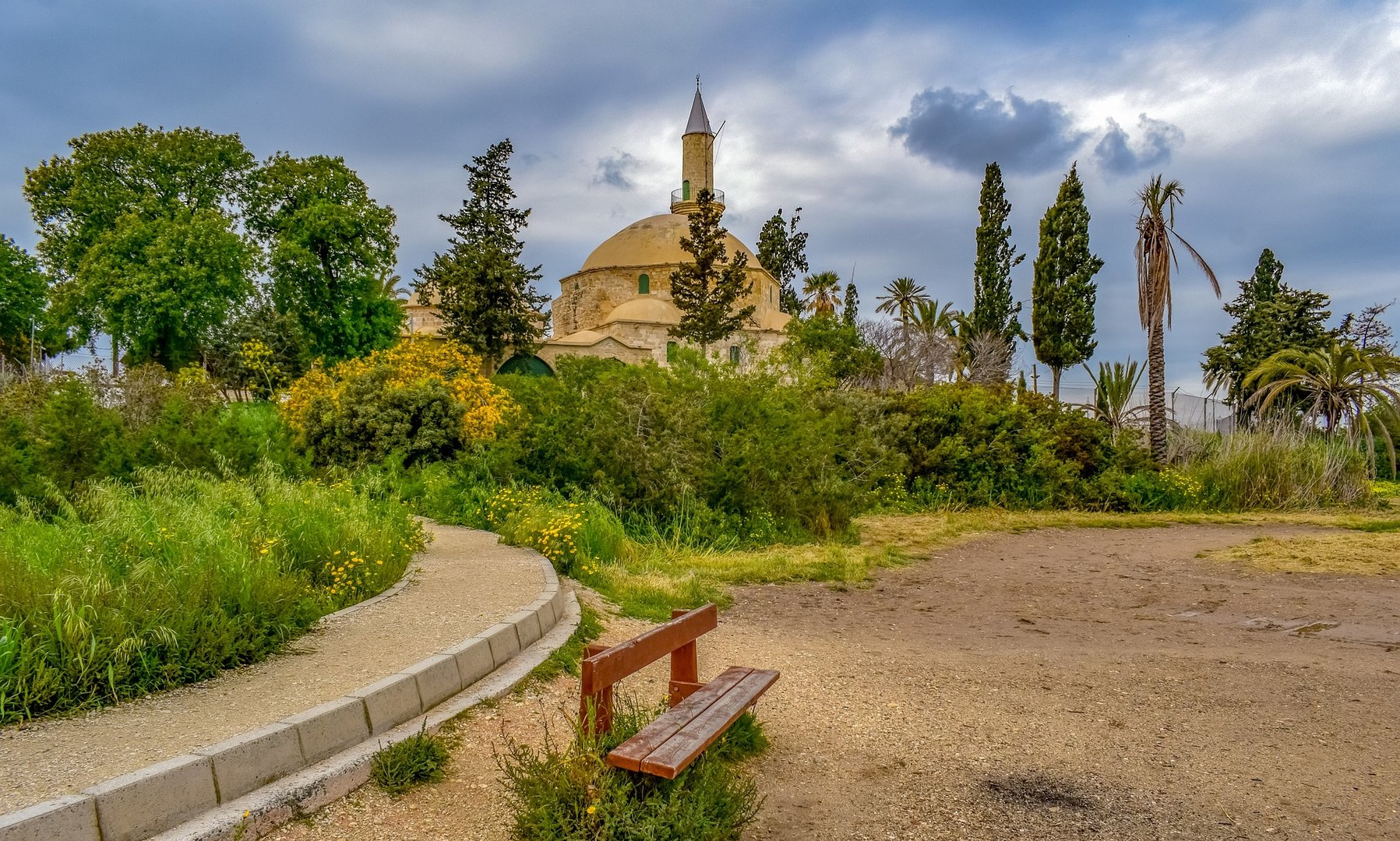
Two tombs and evidence of human activity dating back to the late bronze age, 1400 BC, were discovered during excavations carried out at the Dromolaxia-Vyzakia Hala Sultan Tekke, the antiquities department said on Monday.
“The tombs yielded a wealth of finds, including meticulously crafted local pottery, tools and personal adornment items,” it said.
The ceilings of the chamber tombs collapsed in antiquity, damaging some of its content, however, at the same time preserving much of, allowing researchers to access crucial information on archeological contexts.
“The collapse effectively sealed the tombs, protecting their contents and allowing the research team to derive crucial information about the burial customs of the Late Bronze Age,” the department said.
Given their long-term use of more than one century, the tombs and their contents, including human remains which are currently being analysed, are expected to offer further valuable insights into the dating and history of the site.
“Preliminary results indicate that the tombs include individuals of all ages, from newborns to adults who rarely exceeded 40 years of age, reflecting a low life expectancy, consistent with the data of the time,” the department said.
The excavation of the tombs was expected to shed light on the social organisation of the site, as well as former burial customs.
“Stratigraphic data indicate that the tombs were used for many generations, with the oldest human remains often carefully moved to make room for new burials. This deliberate reuse reflects a strong sense of family continuity and kinship ties,” the department said.
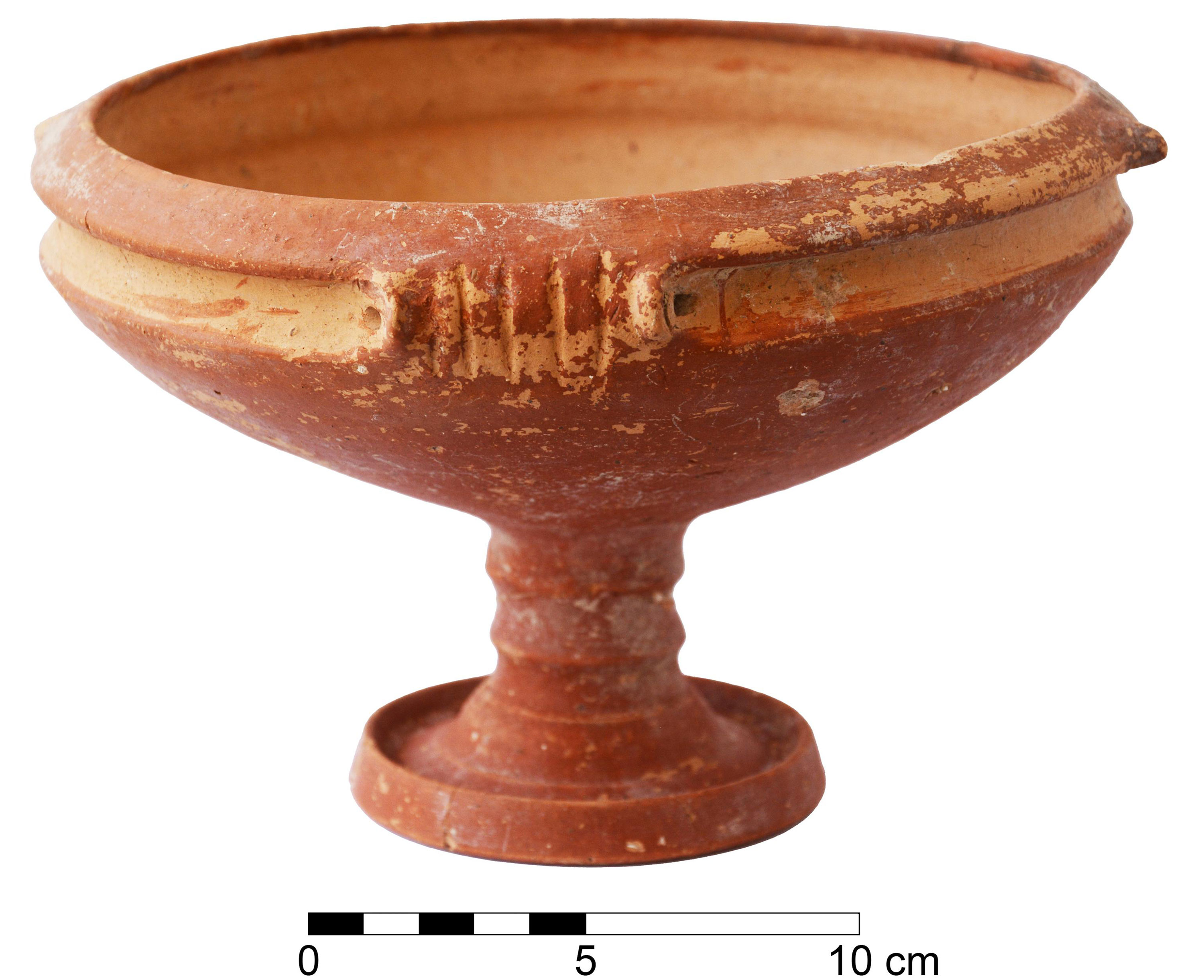
“These exotic objects probably reached Cyprus via complex trade routes, often with the mediation of civilizations such as the Mycenaean, Egyptian and Mesopotamian,” it added.
The discoveries are understood to underline the pivotal role Cyprus played in trade in the Mediterranean region in the Bronze Age, with Hala Sultan Tekke’s wealth primarily being founded on the export and production of copper, as indicated by remains of copper processing activities, such as slag heaps, ores, furnaces and crucibles.
“Raw materials from the Troodos mountain range were processed locally and transported through the well-protected port of Hala Sultan Tekke, making the city an attractive hub for traders from across the Mediterranean and beyond, especially from the mid-15th to the late 13th century BC,” the department added.
The excavation works were carried out under the direction of the University of Gothenburg’s Professor Peter Fischer and Rainer Feldbacher and were analysed in the Larnaca District Archaeological Museum.


Click here to change your cookie preferences