
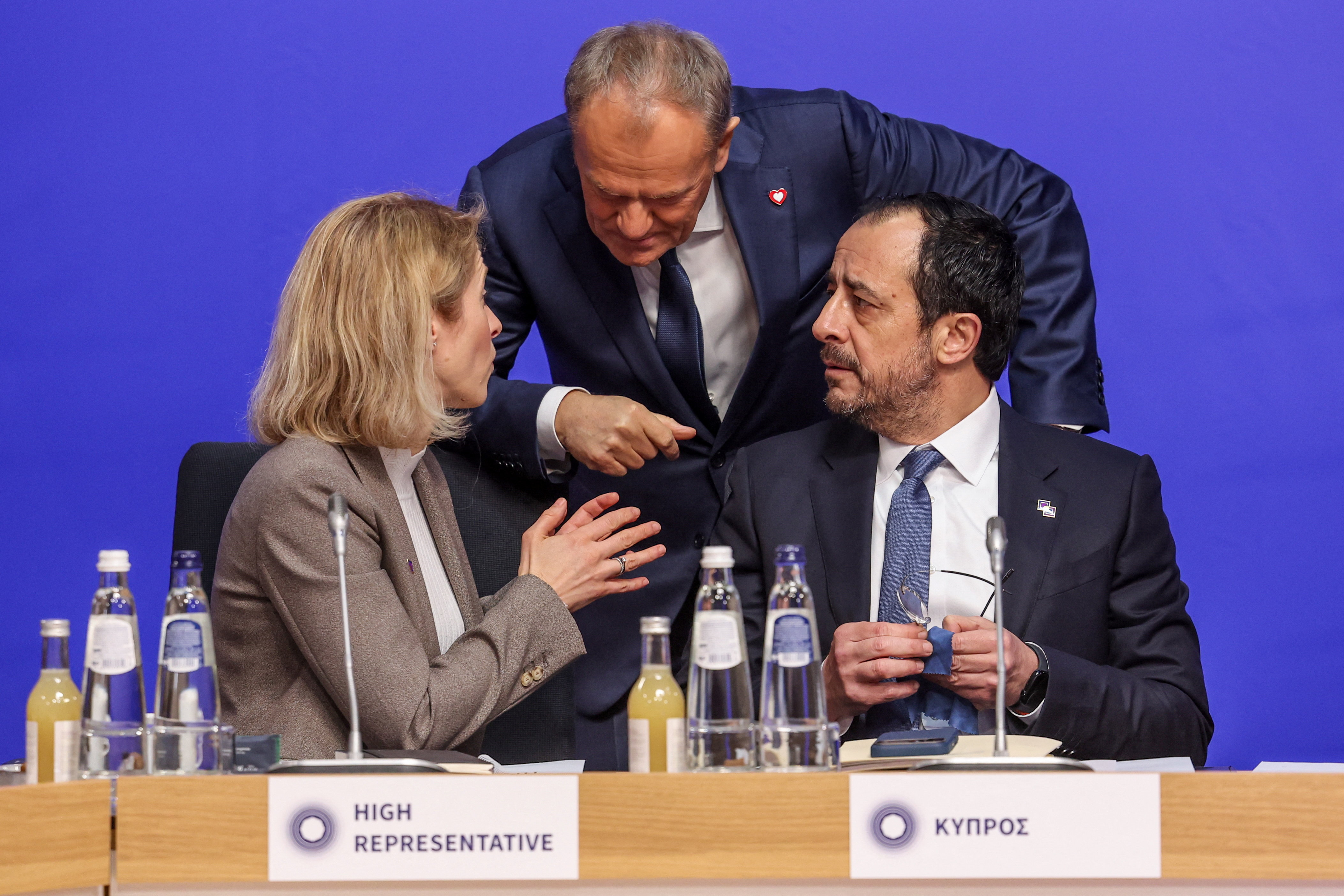
President Nikos Christodoulides on Thursday called for the European Union to sign new trade deals with both the United Arab Emirates and Australia.
“What was done with India should proceed with the United Arab Emirates, and should proceed with Australia,” he said, with the EU and India having reached an agreement for a trade deal to be signed last month.
The EU and Australia have been in negotiations for a free trade agreement since 2018, with no fewer than 15 rounds of negotiations having taken place.
The Australian government says it is “seeking an ambitious and comprehensive free trade association with the EU to drive Australian exports, economic growth and job creation”.
It has also said that such an agreement would be “important economically and strategically, for both Australia and the EU”, and that it would “build upon Australia and the EU’s natural partnership, arising out of a shared commitment to the rule of law, global norms and free and open markets”.
“A strong EU is vital to Australian interests in protecting and promoting a rules-based international order,” it said.
Negotiations between the EU and the UAE began in May last year, with the European Commission saying that those negotiations will “focus on reducing tariffs on goods, and facilitating services, digital trade, and investment flows”.
Christodoulides and the commission will hope that the deal struck with India, as well as potential future deals sought with Australia and the UAE, will fare better in their progress toward ratification than the recent deal signed with South American trade bloc Mercosur.
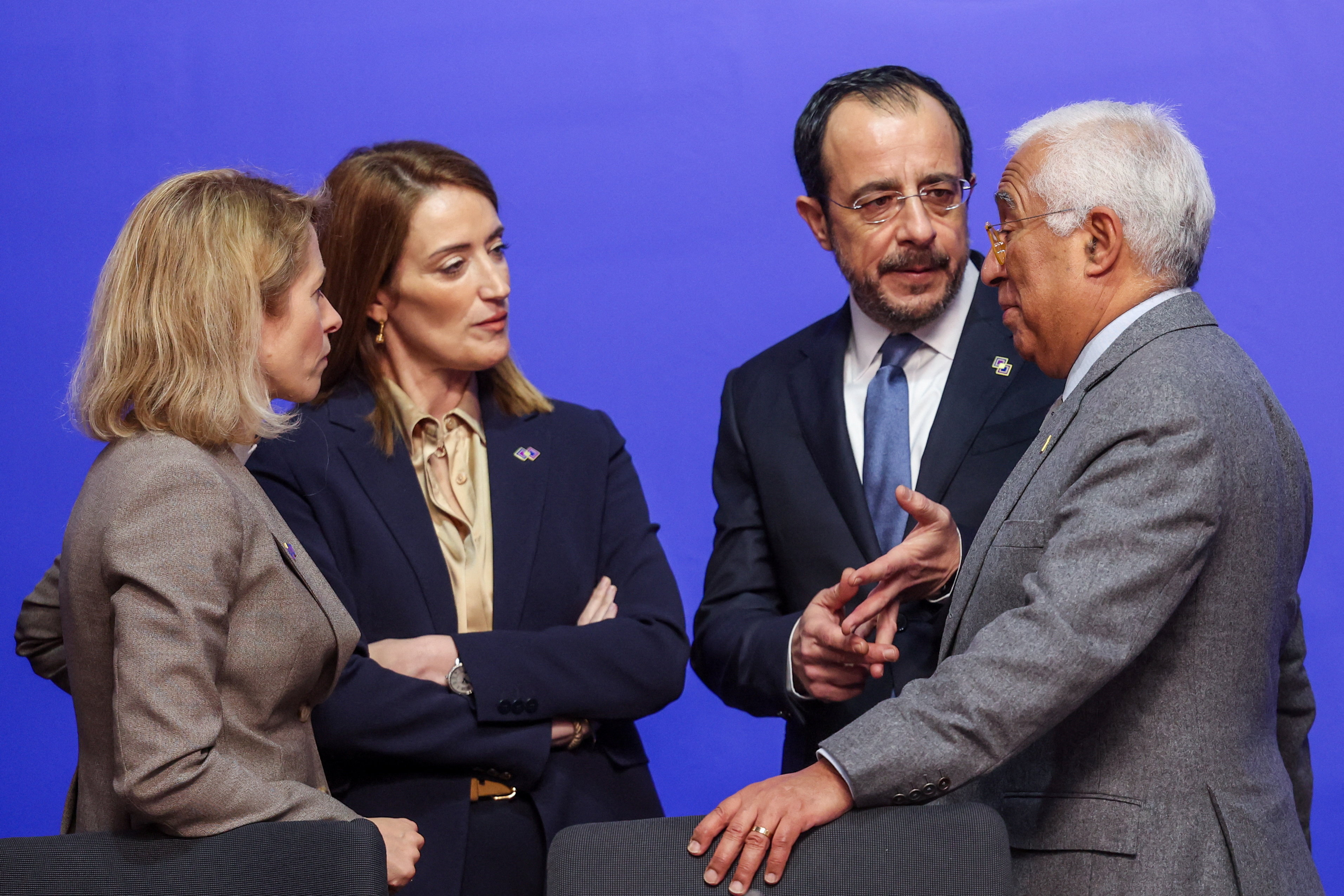
The European Parliament had last month voted by MEPs 334 to 324 to send the EU’s trade deal with Mercosur to the European Court of Justice, warning that the deal may be incompatible with existing EU law, and that guidelines for negotiation issued by the Council of the EU may not have been “respected” by the commission.
As a result of the vote, the European Parliament’s vote to ratify the deal, which had been expected to take place in the spring, will now not take place until after the ECJ delivers its ruling on the deal’s legality.
This process is expected to take at least a year, with some reports having suggested that a ruling may not be reached until 2028.
Away from the matter of trade deals, Christodoulides said the EU should “dare to look at deregulation”.
“It is not just about putting in regulations. Regulations which do not offer anything should not be changed, they should be abolished,” he said.





Click here to change your cookie preferences