
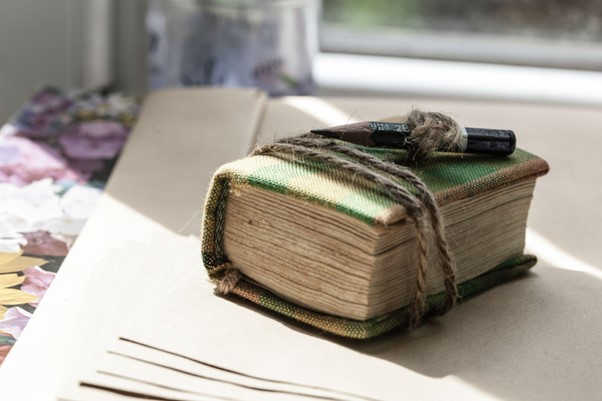
When Cyprus Mail published “A poem for Cyprus” in honor of Independence Day, it underscored something many on the island instinctively understand: poetry is not confined to classrooms or literary circles. It surfaces at moments of collective reflection — and just as often at deeply personal milestones. From weddings in mountain villages to memorial services in city churches, verse continues to shape how people in Cyprus mark life’s most meaningful occasions. Poetry has a way of saying what ordinary language often cannot.
Whether written for a nation, a loved one or a single fleeting moment, poems carry emotional weight disproportionate to their length. In Cyprus — where history, memory and identity intertwine — poetry has long played a role in collective expression. Yet beyond national reflection, verse continues to shape life’s most personal milestones.
Across Europe, and increasingly online, people are rediscovering poetry not only as art, but as a way to mark important occasions: weddings, funerals, anniversaries and even simple gestures of gratitude.
Saying thank you — When prose feels insufficient
Gratitude can be difficult to articulate. A brief message may feel too plain; a long speech, too formal. A short poem, however, can strike a balance between intimacy and elegance.
In Cyprus’ close-knit communities, where personal relationships often span generations, meaningful gestures carry particular weight. A carefully chosen poem can elevate a thank-you note to something memorable — whether addressed to a teacher, a parent or a lifelong friend.
Digital platforms have made it easier to find verses suited to such occasions. Dutch-language websites such as gedachten-gedichten.nl curate poems for specific life events, offering readers accessible inspiration when words feel hard to find. The growing popularity of such platforms reflects a broader European tendency: turning to poetry not just for literature, but for life.
Weddings: A shared language of love
Weddings in Cyprus are rich with symbolism and tradition. From village ceremonies to modern beachfront celebrations, the spoken word remains central — vows, blessings and speeches all form part of the ritual.
Increasingly, couples incorporate poetry into ceremonies. Some choose classical verse; others opt for contemporary pieces that reflect their personalities. A poem can bridge generational gaps — speaking to grandparents and younger guests alike.
Across Europe, curated collections of wedding poetry have gained attention online, allowing couples to personalise their ceremonies without resorting to clichés. The appeal lies in authenticity. A well-chosen poem can articulate devotion more enduringly than improvised prose.
In villages and towns across Cyprus, it is not uncommon for spoken words — whether religious readings or personal reflections — to form the emotional centre of a gathering. Poetry fits naturally within this tradition, complementing customs that place storytelling and remembrance at the heart of communal life.
Funerals and farewell
Perhaps nowhere is poetry more powerful than at a funeral.
Cyprus has a strong tradition of remembrance, and words spoken in farewell carry profound emotional resonance. In moments of grief, poetry can provide structure when emotions feel overwhelming. Its rhythm offers steadiness; its imagery offers comfort.
Short memorial verses are often read at services or printed on remembrance cards. Online archives and poetry collections now make it easier for families to find words that reflect the personality and spirit of the person they are honouring.
In this context, poetry becomes not performance, but solace.
Births and new beginnings
Beyond weddings and farewells, poetry often accompanies beginnings — births, baptisms and milestone birthdays. In Cyprus, where family ceremonies remain central to social life, short verses are frequently included in invitations, speeches and keepsakes.
Birth announcements, christenings and naming ceremonies often include short verses celebrating hope and new beginnings. In Cyprus, where extended families gather to welcome a new child, carefully chosen words can become part of a keepsake — printed on invitations or shared during a blessing.
A short poem can express anticipation, gratitude and promise in ways that feel both intimate and timeless.
Valentine’s Day and modern romance
Valentine’s Day, widely observed across Cyprus, has also seen a revival of poetic expression. While commercial cards dominate shop displays, many people seek something more personal.
Digital poetry platforms allow users to explore romantic verses ranging from playful to deeply reflective. The act of choosing — or even adapting — a poem adds a layer of thoughtfulness that mass-produced messages often lack.
In a fast-paced digital age, a carefully selected poem can feel unexpectedly intimate.
Why poetry endures
What explains this continued reliance on verse?
Part of the answer lies in poetry’s economy. In a few lines, it can convey layered meaning. It invites interpretation, allowing both speaker and listener to project their own experience onto the words.
But there is also a cultural dimension. In countries like Cyprus, where oral storytelling and communal memory remain strong, poetry fits naturally into social rituals. Digital platforms have not replaced tradition; they have expanded access to it.
From national reflection to private celebration, poetry remains woven into both public and personal life.
And perhaps that is its quiet strength: in moments of joy, gratitude or loss, when everyday language falters, a poem often steps in — steady, deliberate and enduring.

Click here to change your cookie preferences