
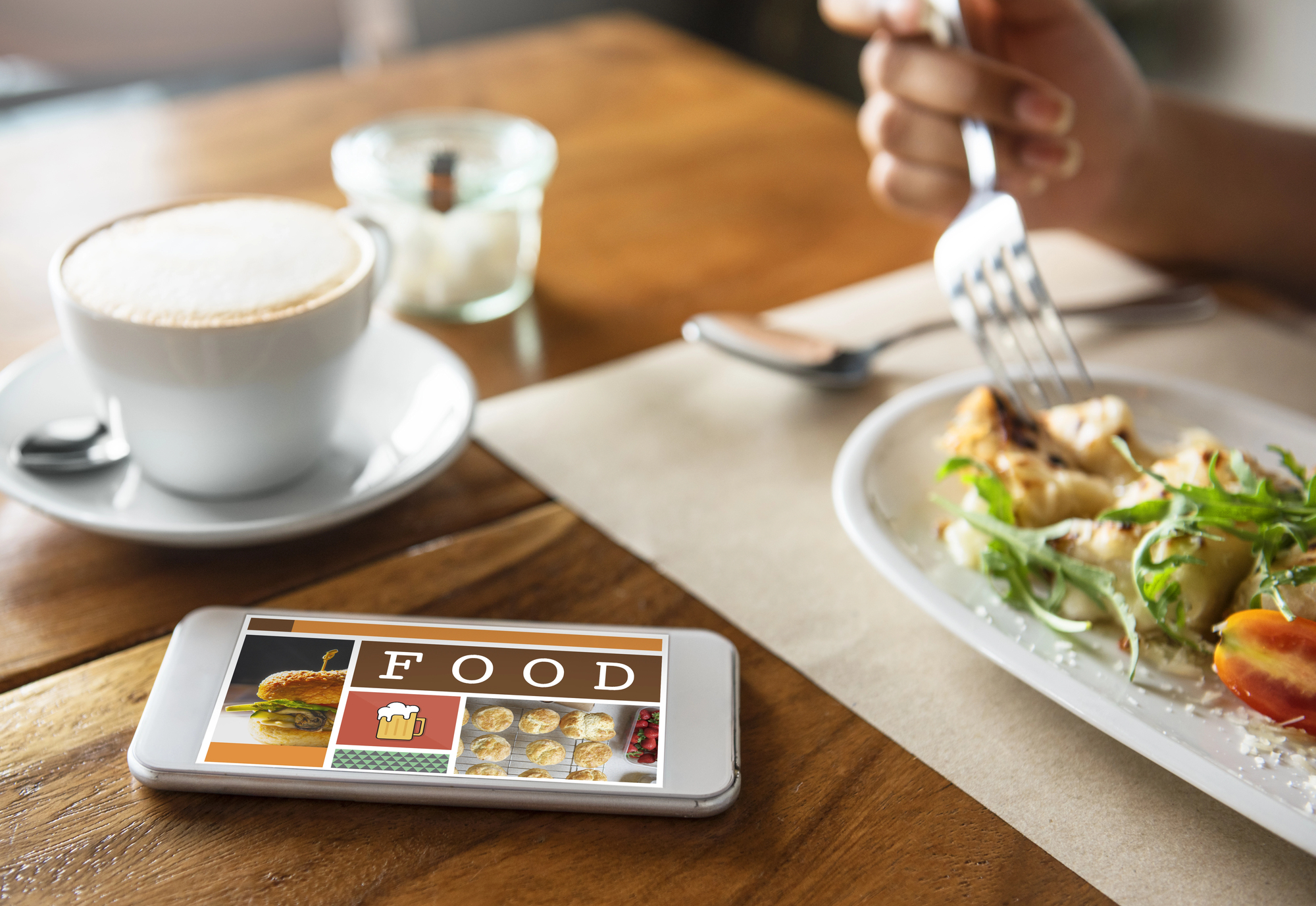
Daily food spending often feels harder to control than it should be. Small purchases add up, and unplanned orders quickly push your budget beyond what you expected. A proper food app changes this pattern by giving you structure, insight, and control. With the right features, you can track your habits, reduce waste, and make better choices without feeling restricted.
Food apps are no longer limited to simple ordering. They now include tools that help you manage expenses, compare prices, and plan meals. These functions work together to create a clear overview of your spending, which is the first step toward saving money.
Clear overview of your spending habits
A good food app shows exactly where your money goes. Instead of guessing how much you spend on takeout or groceries, you can see it in numbers. This overview often includes weekly or monthly summaries, which makes patterns easy to spot.
When you review this data, you may notice habits you did not expect. For example, frequent small orders during busy days can cost more than a planned weekly shop. Once you see this, it becomes easier to adjust your behavior.
Many apps also categorize spending. This allows you to separate restaurant orders, groceries, and snacks. With clear categories, you can set limits for each type and stick to them.
Smarter ordering reduces impulse spending
Impulse decisions often lead to higher costs. When you order food without planning, you are more likely to choose expensive options or add extras you do not need. A proper food app reduces this risk by offering structured menus and saved preferences.
Some apps allow you to create favorite orders. This feature helps you avoid browsing long menus when you are hungry, which often leads to overspending. Instead, you can quickly select a balanced option that fits your budget.
Restaurants also benefit from structured ordering systems like a
horeca bestel app. These systems present menus in a clear way and reduce confusion during the ordering process. As a result, you make faster decisions and avoid unnecessary add-ons.
Price comparison becomes easier
Comparing prices used to take time and effort. You had to check multiple menus or visit different stores. A food app simplifies this process by showing options in one place.
You can compare similar meals from different restaurants or check where ingredients cost less. This allows you to choose the best option without extra effort. Over time, these small savings add up.
Some apps also highlight discounts or special offers. These deals are easy to miss when you order directly from a restaurant. With a food app, they become visible, which helps you reduce costs without changing your habits too much.
Better meal planning lowers waste
Food waste is a hidden cost in many households. When you buy more than you need or forget what you already have, money is lost. A food app helps you plan meals in advance and track your ingredients.
Meal planning tools allow you to create a weekly schedule. You can base this schedule on your budget and adjust it when needed. This reduces last-minute orders and prevents unnecessary purchases.
Shopping lists within the app also make a difference. You buy only what you need, which limits waste. Over time, this leads to consistent savings.
Digital menus support smarter choices
Digital menus provide more information than traditional ones. You can see prices, portion sizes, and sometimes even nutritional details. This helps you make informed decisions before placing an order.
When you understand what you are buying, you are less likely to overspend. You can choose meals that fit both your needs and your budget.
In restaurants, tools like a bestel zuil support this process. These systems present options clearly and reduce pressure during ordering. Without time pressure, you make calmer and more cost-aware decisions.
Tracking helps you stay consistent
Saving money requires consistency. A food app supports this by tracking your progress over time. You can see how your spending changes and whether your efforts make a difference.
Many apps include notifications or reminders. These alerts can warn you when you approach your budget limit. This small nudge helps you stay on track without feeling restricted.
Tracking also creates awareness. When you know your habits are visible, you are more likely to make careful choices.
Discounts and loyalty rewards add up
Food apps often include loyalty programs or reward systems. These features give you points, discounts, or free items after repeated use. While each reward may seem small, they create real savings over time.
Some apps also provide exclusive deals. These offers are not always available through other channels. By using the app, you gain access to lower prices without extra effort.
Regular users benefit the most from these systems. The more you use the app in a planned way, the more value you get back.
Reducing delivery costs with better timing
Delivery fees can increase your total cost quickly. A proper food app helps you manage these fees by showing clear pricing and delivery times.
You can choose moments when delivery is cheaper or even free. Some apps also combine orders or suggest nearby options with lower fees. These small adjustments help reduce unnecessary costs.
Planning ahead plays a key role here. When you order at the right time, you avoid peak charges and save money.
Supporting better decisions for groups
Group orders often lead to confusion and higher costs. People add items without a clear overview, which increases the total bill. A food app solves this by organizing group orders in one place.
Each person can add their selection, and the app shows the total in real time. This transparency helps everyone stay within a budget. It also prevents duplicate items or unnecessary extras.
Clear communication within the app reduces mistakes. Fewer errors mean fewer extra costs.
Why small changes create long-term savings
Saving money with a food app does not require drastic changes. Small adjustments in how you order, plan, and track your spending make a big difference over time.
When you combine features like spending insights, meal planning, and price comparison, you create a system that supports better decisions. This system works in the background and helps you stay consistent.
Over weeks and months, these savings become noticeable. You spend less without sacrificing convenience or quality. That balance is what makes a proper food app a valuable tool in daily life.





Click here to change your cookie preferences