
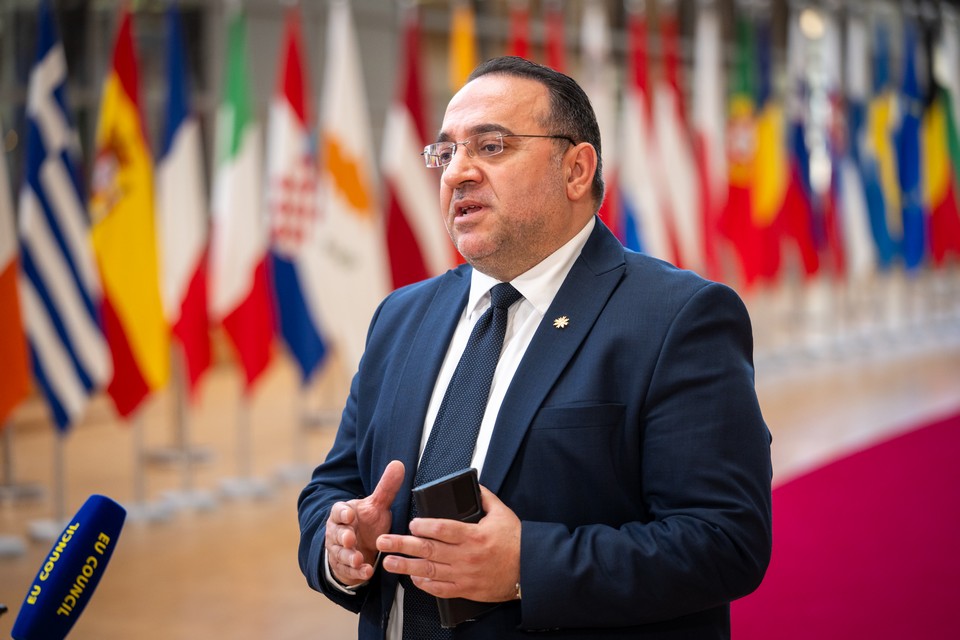
The EU’s Competitiveness Council this week adopted conclusions on sustainable and competitive tourism, in what Deputy Tourism Minister Kostas Koumis described as a key achievement of the Cyprus Presidency of the Council of the EU.
The conclusions, titled ‘Building a sustainable and competitive tourism for the future’, were approved in Brussels under Koumis’ chairmanship and are expected to feed into the European Commission’s first strategy for sustainable tourism, which is due to be presented later this year.
The Deputy Ministry of Tourism said the adoption of the conclusions was “one of the emblematic legacies of the Cyprus Presidency of the Council of the European Union and the result of its own initiative”.
“Tourism is a key driver of growth, employment and cultural exchanges across the EU. Today’s conclusions chart a clear path towards ensuring the long-term resilience and competitiveness of the sector in a rapidly changing environment,” Koumis said after the adoption.
According to the deputy ministry, securing approval for the conclusions had been set as a priority from the start of the Cyprus Presidency, with the aim of strengthening existing policy frameworks and ensuring they are used in the preparation of the forthcoming EU strategy.
The outcome followed consultations with member states, meetings of the Working Party on Tourism and the informal meeting of EU tourism ministers, which was hosted in Nicosia in April 2026.
Speaking from Brussels, Koumis said the adoption of the conclusions sent “a strong political message on the strategic importance of tourism for the European economy, regional development and social cohesion”.
“The Cyprus Presidency has just concluded the discussions at the COMPET Council in the field of tourism,” he said, thanking the European Commission and Commissioner for Sustainable Transport and Tourism Apostolos Tzitzikostas “for the constructive cooperation throughout the Cyprus Presidency.”
He added that he was particularly satisfied that Cyprus had delivered on one of its main commitments.
“We adopted the Council Conclusions entitled ‘Building a Sustainable and Competitive Tourism for the Future’, sending a strong political message on the strategic importance of tourism for the European economy, regional development and social cohesion,” Koumis said.
The conclusions focus on balanced tourism, including the need to address both over-concentration and under-visitation, while strengthening regional, island, mountainous and remote destinations.
They also refer to year-round and sustainable connectivity, with particular recognition of the dependence of island member states on air links.
In addition, the document covers the green and digital transition as a driver of competitiveness, as well as skills, quality jobs, crisis preparedness and stronger governance across the tourism ecosystem.
Koumis said the conclusions are expected to guide the new EU Strategy for Sustainable Tourism and help shape the future of the sector in Europe.
At the same time, ministers also discussed the impact of geopolitical tensions in the Middle East on European tourism, including rising energy costs, supply chain disruption and uncertainty.
“Together with fellow Ministers, we exchanged views on how rising energy costs, supply chain disruptions and growing uncertainty are affecting the tourism sector. The discussion contributed to identifying ways to ensure the sustainability and resilience of the tourism sector at European level,” Koumis said.
Concluding, he said the meeting “confirmed our shared determination to maintain Europe as the world’s leading tourism destination, while ensuring that the sector becomes more sustainable and, of course, more resilient.”

Click here to change your cookie preferences