
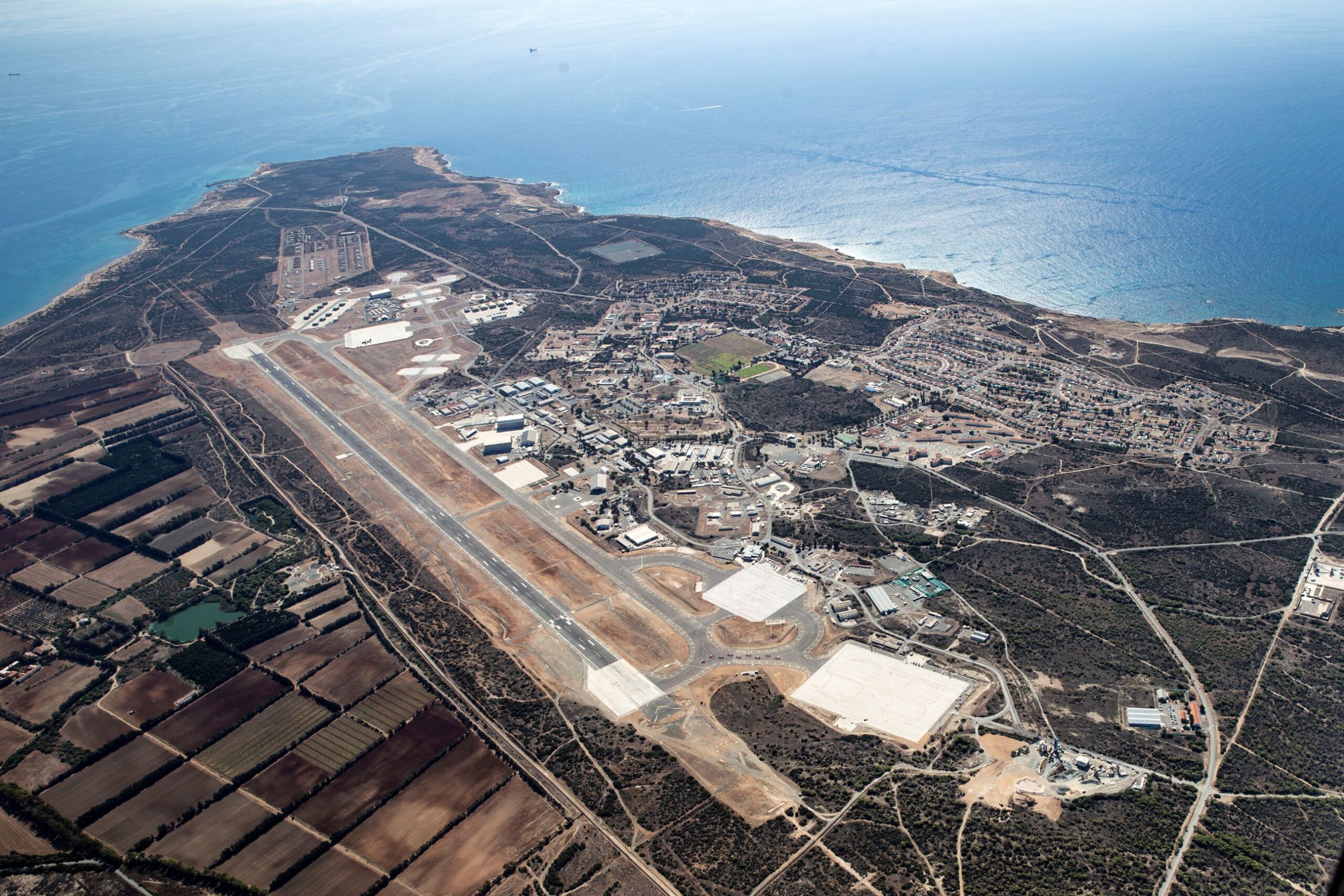
Residents of Akrotiri are preparing legal action against plans by the British Bases to install 32 additional antennas in the area, with local authorities examining the possibility of taking the case to the European Court of Human Rights.
Kourion municipality confirmed they were seeking legal avenues to challenge the project, which would require the compulsory acquisition of approximately 340 acres of land within the Akrotiri area.
The planned development forms part of a wider communications infrastructure project at the British bases.
However, residents argue that the area already hosts a significant number of antenna installations and have expressed concern about what they describe as rising cancer rates within the local community.
Kourion mayor Pantelis Georgiou, who also chairs the Akrotiri management committee, said legal experts had been appointed to examine all available options.
Lawyer Simos Angelides has been tasked with assessing possible legal action on behalf of the committee, including the prospect of seeking an injunction to halt the project.
Georgiou acknowledged that obtaining such an order could prove difficult but said the community intended to pursue all available remedies.
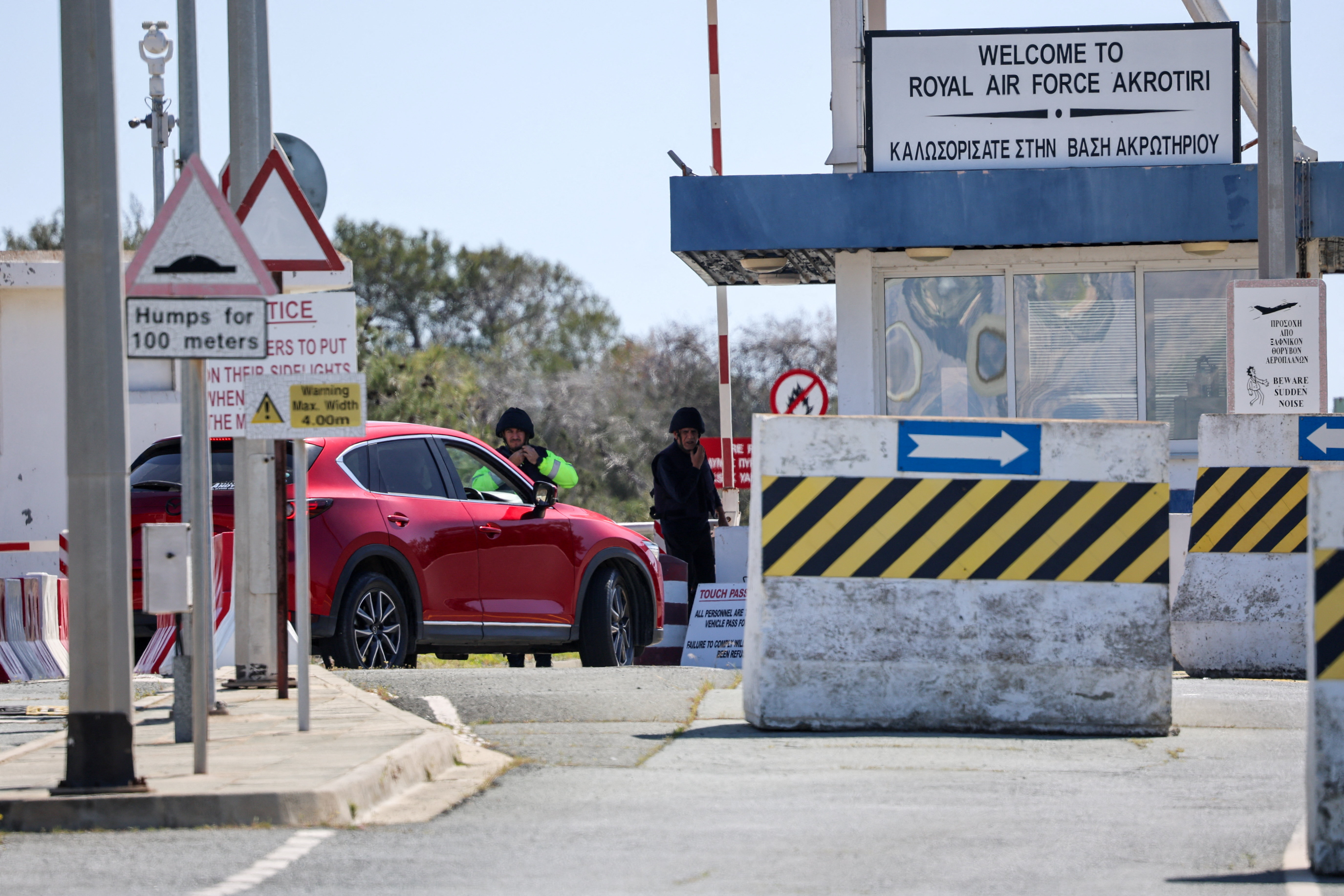
At the same time, the municipality has retained lawyer Achilleas Demetriades to provide a separate legal opinion with a view to examining whether the matter could ultimately be referred to the European Court of Human Rights.
According to Georgiou, meetings have been requested with President Nikos Christodoulides as well as with the Foreign Minister Constantinos Kombos.
Further discussions are also expected with the legal service once assessments are completed.
“The matter now concerns the protection of the rights of residents living in the Bases areas,” Georgiou said.
“The goal is securing a better everyday life and quality of life for the people who live here.”
The controversy centres on plans announced by the British authorities to install 32 new antennas in the Akrotiri region.
Local authorities have also raised concerns over the scale of the land acquisition required for the project and its location within an environmentally protected area.
Community representatives have argued that further independent studies should be conducted before any works proceed.
Previous studies have not established a direct link between existing antenna installations and cancer cases in the area.
Independent testing conducted following the installation of the Pluto antenna in 2001 found radiation emissions significantly below EU safety limits.
Georgiou has previously argued that residents have reported an increasing number of cancer diagnoses within the community and has called for updated epidemiological data and greater transparency regarding future infrastructure plans.
The British bases have previously stated that environmental assessments and monitoring measures would accompany the project and have indicated a willingness to make relevant information publicly available.





Click here to change your cookie preferences