
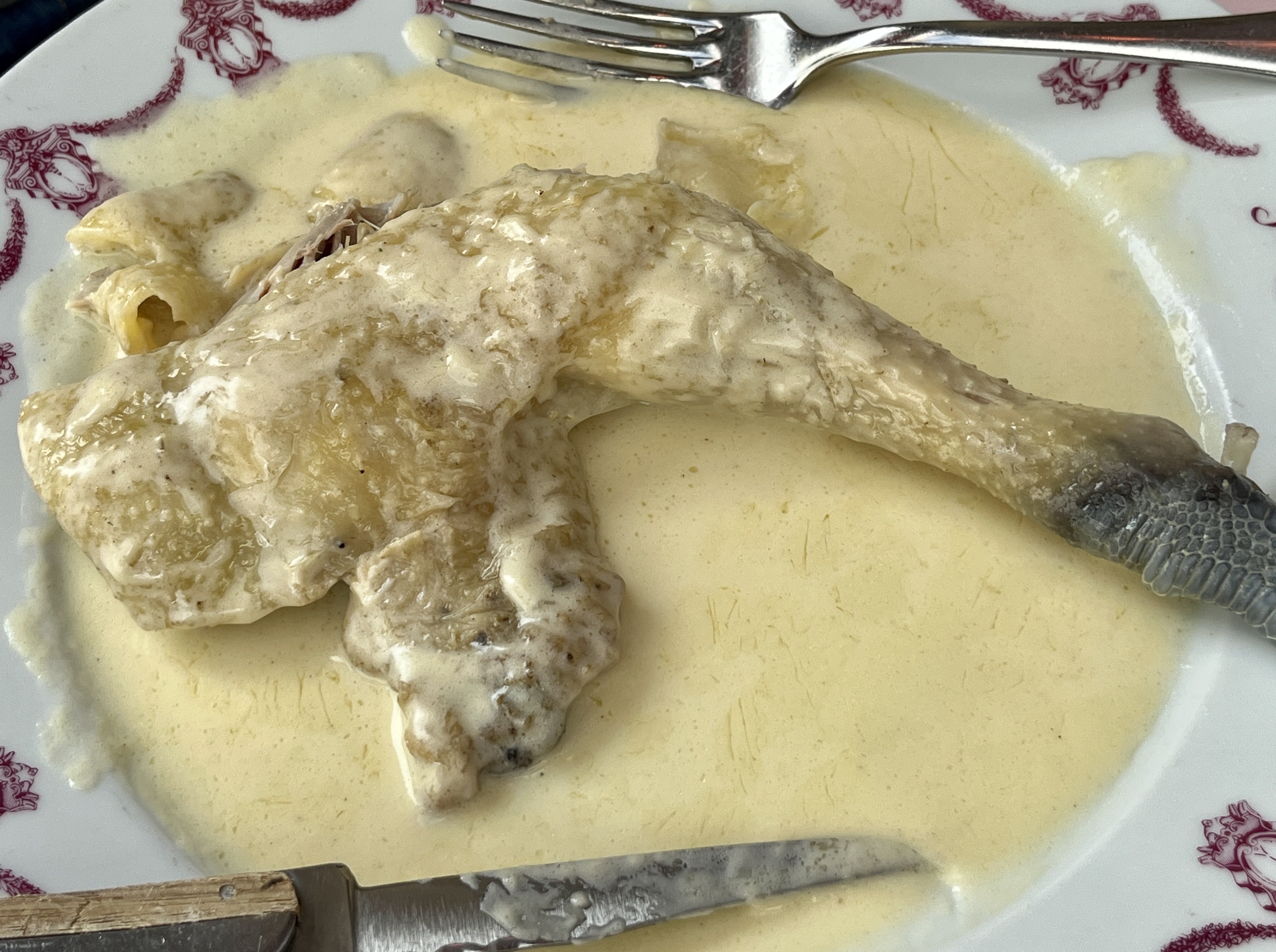
Salmonella has emerged as the leading suspected cause of a mass food poisoning outbreak from a wedding reception in Limassol, as laboratory investigations continue into an incident that left more than 70 people reporting symptoms and 21 requiring hospital treatment.
Speaking on Friday, the health ministry’s sanitary services director, Herodotos Herodotou, said preliminary analyses had identified indications of salmonella in a chicken à la crème dish served at the event, although confirmatory testing is still pending.
“We have some initial indication, but it will have to be confirmed in the coming days,” Herodotou said.
“This indication shows that there was salmonella in chicken with cream. But it needs to be confirmed.”
Authorities expect final laboratory findings over the weekend as specialists continue examining food samples, water samples and biological material collected from affected guests.
The outbreak came to light after the newly married couple filed a complaint with health authorities, reporting that dozens of guests had fallen ill following the reception.
Subsequent investigations identified 74 people who developed symptoms consistent with gastroenteritis.
According to health services data, 39 cases were recorded in Limassol, including 15 people who required hospitalisation.
A further 35 cases were reported in Paphos, with three hospital admissions, while another three people were admitted to hospitals in Nicosia.
Three specialist teams were assigned to investigate the incident.
One interviewed guests who became ill, another inspected facilities connected to the reception and catering operation, while a third collected samples for laboratory analysis.
While salmonella is currently the principal focus of the investigation, authorities are also examining whether a second pathogen may have been involved.
Herodotou said some guests developed symptoms unusually quickly after consuming food, prompting investigators to explore the possibility of contamination by a toxin-producing microbe.
“We are also studying the possibility that some people were affected by a toxin-producing microbe,” he said.
“So, both salmonella and the toxin-producing microbe may coexist.”
Health officials are also analysing stool samples from affected individuals.
Preliminary indications suggest salmonella may be present in some of those samples, although hospitals are continuing their own laboratory examinations before submitting formal findings to the relevant authorities.
The investigation has also focused on the catering company that supplied food for the event.
Operations at the business remain suspended while authorities determine the precise source of contamination and assess whether food safety procedures were adequately implemented.
“The operation of the specific suspicious premises has been suspended,” Herodotou said.
Under existing legislation, authorities may extend the suspension every four days until they are satisfied that any public health risk has been eliminated.
Health services have instructed the company to identify the source of the contamination, complete any required disinfection measures and demonstrate that its food safety management system is capable of handling its operational workload.
“When it proves to us that the system it is currently implementing is responsive to the volume of work it is doing, then we will give it permission to open,” Herodotou said.
Investigators are also examining a second suspected food poisoning incident involving another reception event served by the same catering company.
According to Herodotou, the latest information relates to a wedding reception held last Saturday.
Authorities have not established whether the two incidents are connected and laboratory investigations remain ongoing.
The public has been urged to come forward with any information that may assist the inquiry as officials continue gathering evidence.
Herodotou said questions regarding possible criminal liability would only be examined if investigators establish beyond doubt a direct link between the illnesses and specific food products.





Click here to change your cookie preferences