

By Sara Mariza Vryonidi
What if I told you that changing society does not require convincing everyone? Not 90 per cent. Not even half.
According to a 2018 study published in Science, once around 25 per cent of a group consistently supports an idea, a social tipping point can occur.
At that point, change can spread surprisingly quickly through the rest of the population.
Most people spend their lives feeling overwhelmed on one issue or another. We sit around family tables where sometimes nobody agrees with us. We scroll through social media and wonder whether we are the only person thinking a certain way. We have conversations with friends, colleagues or neighbours and sometimes feel like we are speaking a different language altogether.
Whether it is politics, climate change, cycling, public spaces, animal welfare, social justice or simply how we think our cities should function, we are constantly surrounded by people with different opinions. Sometimes those differences are healthy.
Sometimes they are exhausting.
Perhaps that is why so many people give up before they even begin. We assume that if most people disagree with us, then our efforts are pointless. We tell ourselves that there is no point speaking up because nothing will change anyway.
But what if that assumption is wrong?
The idea behind the research is simple. Human beings are social creatures. We like to think that our decisions are based entirely on logic and facts, but the reality is that we are deeply influenced by the people around us.
We observe what others consider normal, acceptable or desirable and gradually adjust our own behaviour accordingly. Social norms are often far more powerful than rules, incentives or awareness campaigns.
Recent parliamentary election results in Cyprus reminded us that political movements that many people would have dismissed a few years ago have managed to attract significant support and enter mainstream political conversations.
If you think about it, we see this all the time.
If anything, Cyprus reminds us why the idea of a tipping point matters. Most of the changes that a lot of environmentalists, urban planners and community groups advocate for, have not yet become mainstream.
Most people still drive almost everywhere. Cycling remains difficult and often unsafe. Public transport is still not the first choice. Sometimes it can feel as though the people pushing for alternatives are vastly outnumbered.
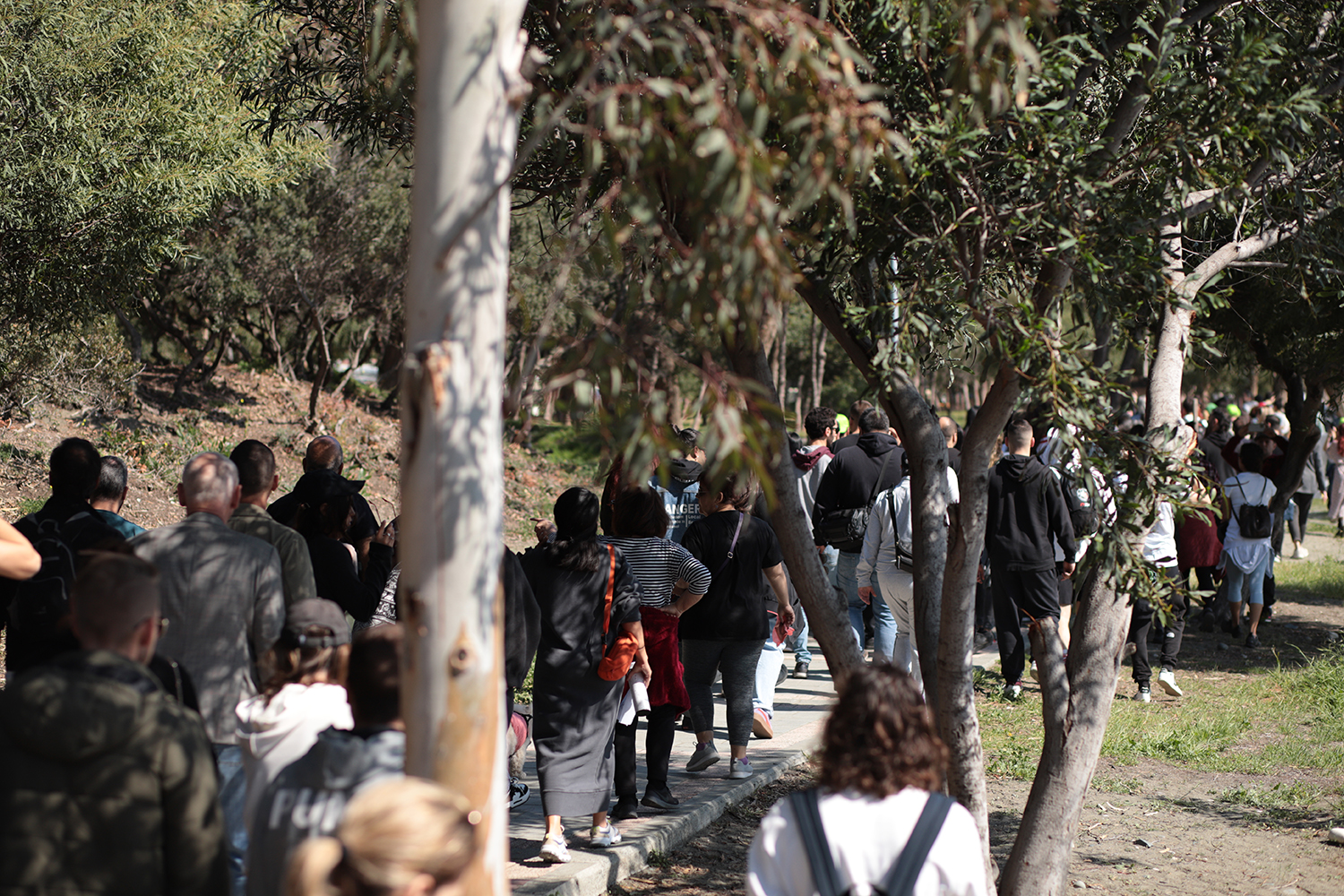
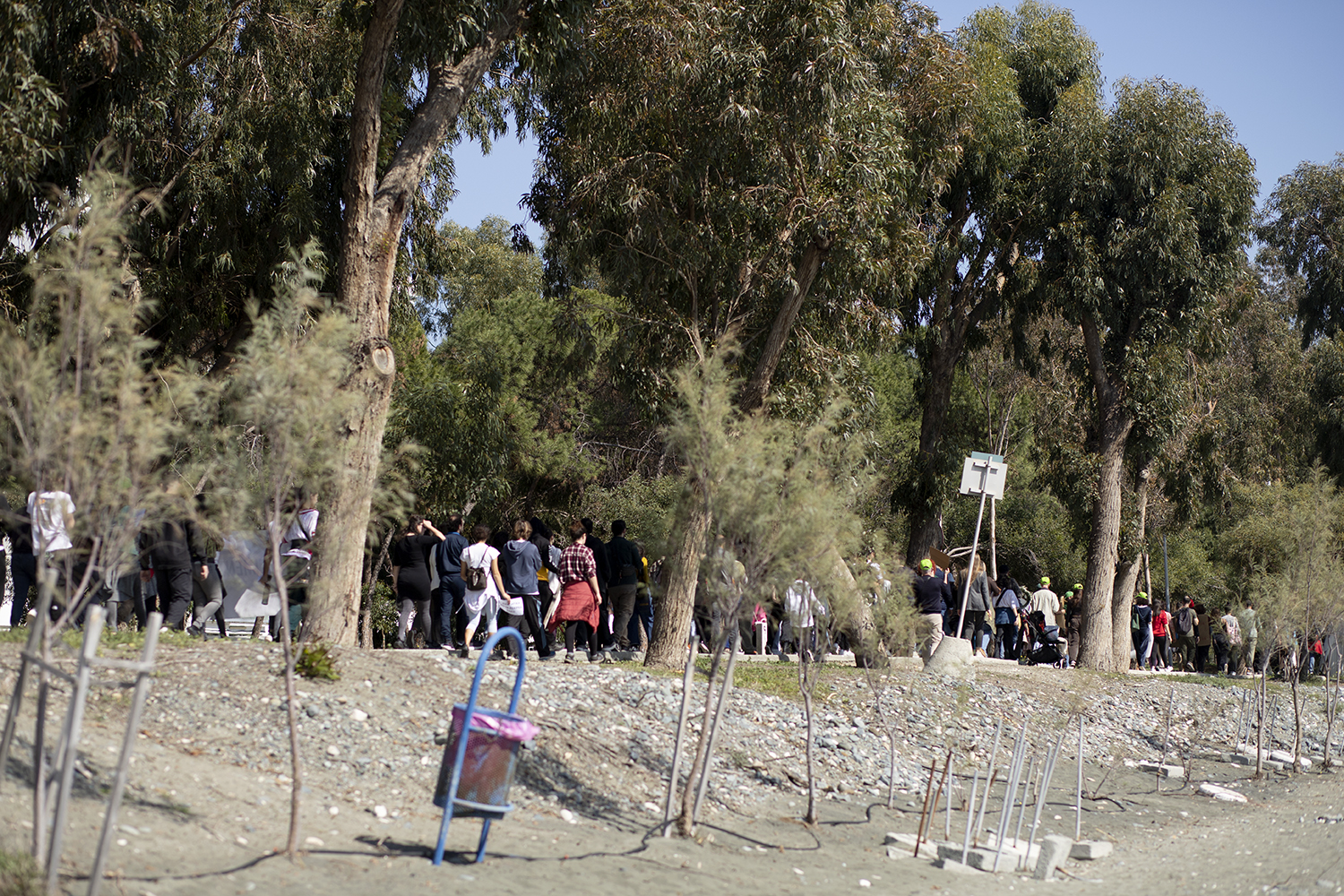
The research does not suggest that change begins once a majority is convinced. It suggests that change begins much earlier. Every person who chooses to cycle, every resident asking for greener public spaces, every citizen questioning food waste or supporting reuse initiatives, contributes to a growing minority that can influence wider social norms over time.
What feels like a small group today may be the beginning of a much larger shift tomorrow. Perhaps what is most interesting is how relevant this feels in the age of social media.
Today, we are exposed to more opinions than any generation before. Every scroll brings another “expert”, another commentator, another influencer, another debate.
Everyone has something to say, and everyone seems convinced they are right. Instead of helping us think more clearly, this endless stream of information can leave us feeling overwhelmed and uncertain. It becomes easier to follow the crowd and repeat what we hear or stay silent altogether.
Yet meaningful change has never depended on having the loudest voice in the room.
It has depended on people willing to think critically, remain curious and occasionally change their minds. It depended on communities forming around shared values and slowly influencing the people around them.
For those who believe they are in this 25 per cent, this is an important reminder. We do not need to convince every person to cycle to work. We do not need every resident to support new bike lanes, wider pavements or more public transport. We do not need every parent to demand safer routes to school or every citizen to care about public space.
Those goals are so large that they become discouraging.
Instead, let’s put our energy into building momentum.
Every person, who chooses a different way of doing things, makes that choice more visible to others. Every conversation matters. Every example matters. Every small shift contributes to a larger cultural change.
So, the next time you feel like the odd one out, remember this: if your family eats meat and you choose not to, if your friends drive and you walk, if you carry a reusable mug while everyone else buys disposable cups, you may feel like a minority.
But social change has always started with minorities.
And according to the research, they may not need to remain minorities for very long.
Sara Mariza Vryonidi is a project coordinator at Friends of the Earth Cyprus





Click here to change your cookie preferences