
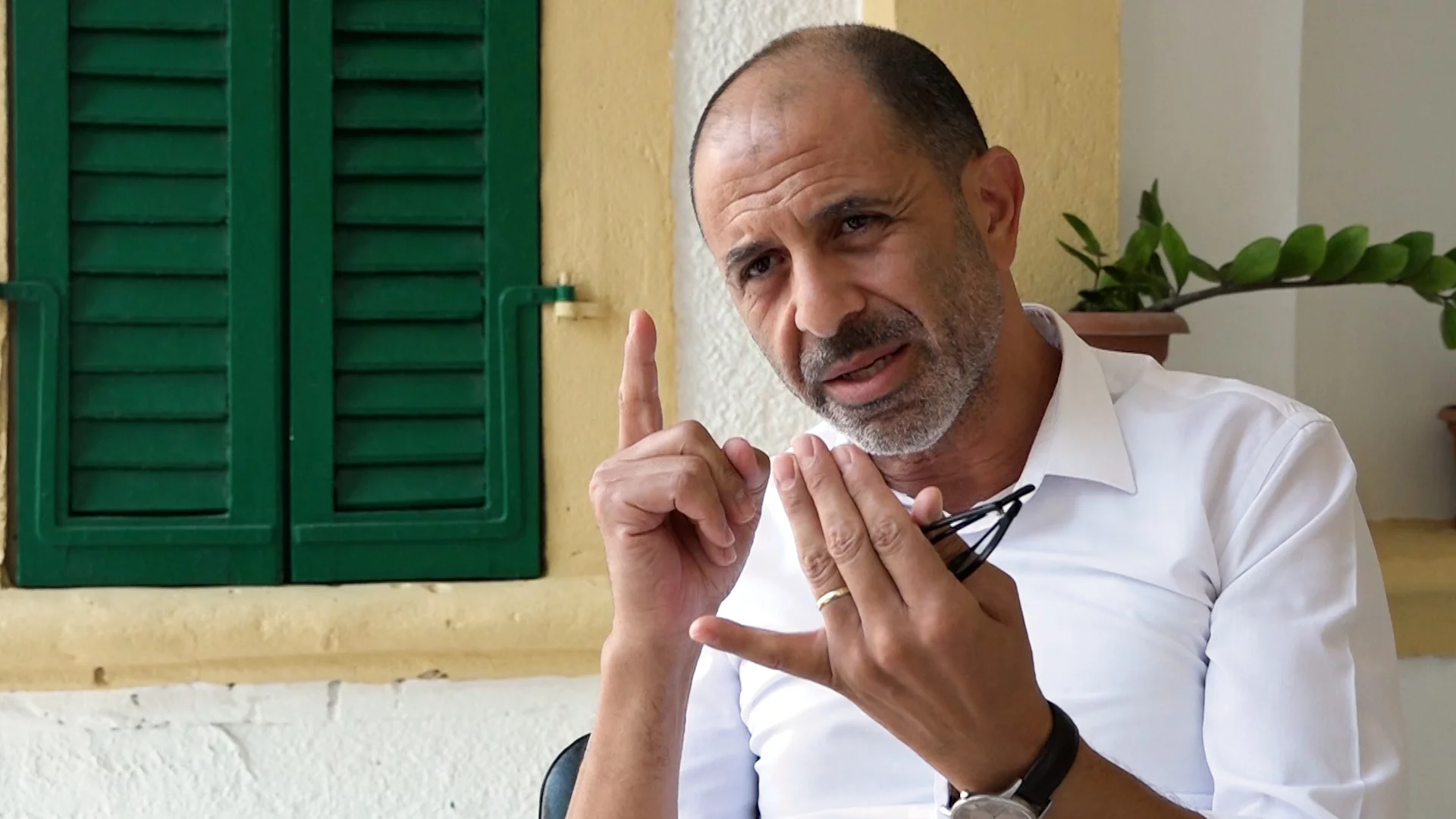
Expectations surrounding renewed efforts on the Cyprus issue risk leading to disappointment if they are not grounded in realistic objectives, former Turkish Cypriot negotiator Kudret Ozersay said on Wednesday.
In his statement issued on social media, the leader of the People’s Party (HP) said there is currently no concrete negotiation process in place and cautioned against raising hopes that cannot be fulfilled.
He argued that a durable agreement can only emerge through “realistic approaches in both method and content” and by taking account of what he described as the realities on the island.
Ozersay criticised the announcement of a planned expanded meeting on the Cyprus issue, saying expectations had been created before any process had been properly prepared or focused on achieving results.
According to him, domestic political considerations are playing a significant role in shaping the current climate.
He claimed that President Nikos Christodoulides faces increasing pressure to demonstrate movement on the Cyprus issue ahead of the 2028 presidential election and suggested that the objective is to restart negotiations rather than secure a comprehensive settlement.
Ozersay argued that this could result in “negotiating for the sake of negotiating” rather than pursuing a process capable of producing an outcome.
He further alleged that political actors on both sides may seek electoral advantage from the launch of a new dialogue, regardless of whether it ultimately succeeds.
What Cyprus requires, he said, is “a comprehensive and lasting solution” rather than “a new and endless negotiation process”.
Addressing the international dimension of the issue, Ozersay questioned the ability of the United Nations to drive a breakthrough under current circumstances.
He argued that the organisation’s influence in global affairs has weakened in recent years and suggested that the prospect of launching a successful new Cyprus initiative remains limited, particularly with the term of UN Secretary-General Antonio Guterres approaching its conclusion.
While reiterating that a comprehensive settlement remains important, Ozersay maintained that no process can succeed if it ignores political realities on the island and broader regional developments.
He said any future effort must be built around achievable goals and a clear understanding of the balance of interests involved.





Click here to change your cookie preferences