
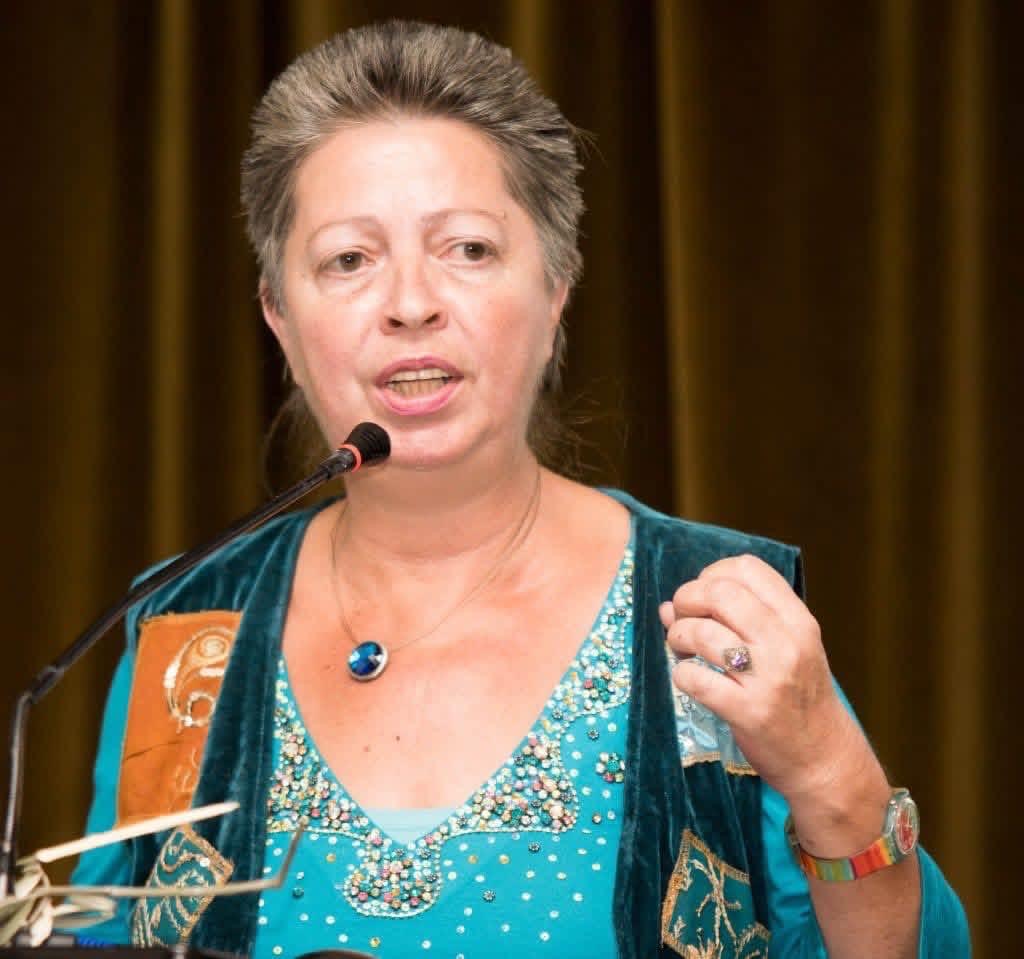
Renowned Cypriot journalist Sevgul Uludag died on Sunday at the age of 67.
In a career which spanned over four and a half decades, Uludag devoted herself to the cause of Cyprus’ missing, the more than 2,000 people left unaccounted for after intercommunal violence in the 1960s and a Greek-backed coup d’état and Turkish invasion in 1974.
She was meticulous in this endeavour, frequently uncovering detailed accounts of the lives and deaths of the missing, which were then published in both Turkish and Greek in the Yeniduzen and Politis newspaper.
For this work, she was acclaimed at home and abroad, becoming the first Cypriot to be awarded the international courage in journalism award in 2008, while also winning the European citizen’s prize in 2014 and being nominated for the Nobel peace prize in 2019.
Turkish Cypriot ‘prime minister’ Unal Ustel said on Sunday evening that she had “made invaluable contributions to the Turkish Cypriot press and the collective memory of our country”.
“She will be remembered for her principled stance in undertaking the responsibility of tracing the whereabouts of missing persons and bringing human stories to light,” he added.
Turkish Cypriot opposition political party CTP representative Fikri Toros said that “beyond being a courageous investigative journalist, peace activist, and powerful writer, Sevgul was an exemplary Cypriot who dedicated her life to being the voice of truth, conscience, and humanity”.
“Her tireless efforts to shed light on the fate of missing persons led hundreds of families to finally find the truth for which they had been waiting for years, while also making significant contributions to strengthening trust, empathy, and shared human values between our communities,” he said.
Meanwhile, Yeniduzen managing editor Mert Ozdag said that Uludag had “devoted her life to the pursuit of truth, considered sharing sorrow a human duty, and believed throughout her life that peace was possible”.
“Sevgul took journalism beyond simply writing news. For years, she listened to the silence beneath the earth. She walked in search of the missing. She listened to, wrote about, and recorded the pain of which no one dared to speak,” he said.
He added that she had “etched into the collective memory of this island the story of mothers’ unceasing wait, fathers’ unanswered questions, and the raves left nameless for years”.
“She taught us that journalism is not just about writing what happened, it is about relentlessly pursuing the truth, reminding us of what has been forgotten, giving a voice to the silenced, and, most importantly, remaining human,” he said.



Click here to change your cookie preferences