
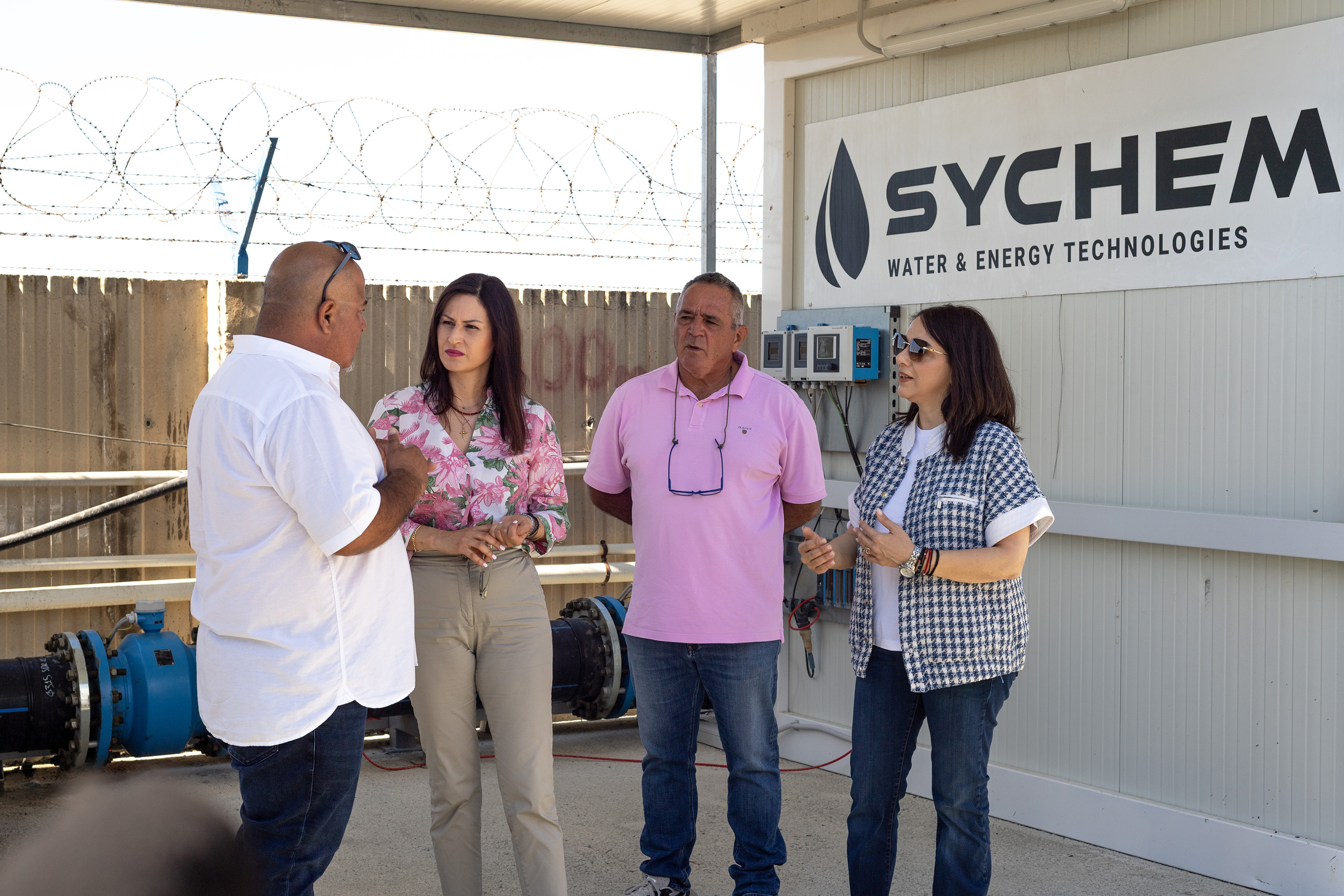
Cyprus expects desalination plants to cover almost all domestic water demand by next year, Agriculture Minister Maria Panayiotou asserted on Monday.
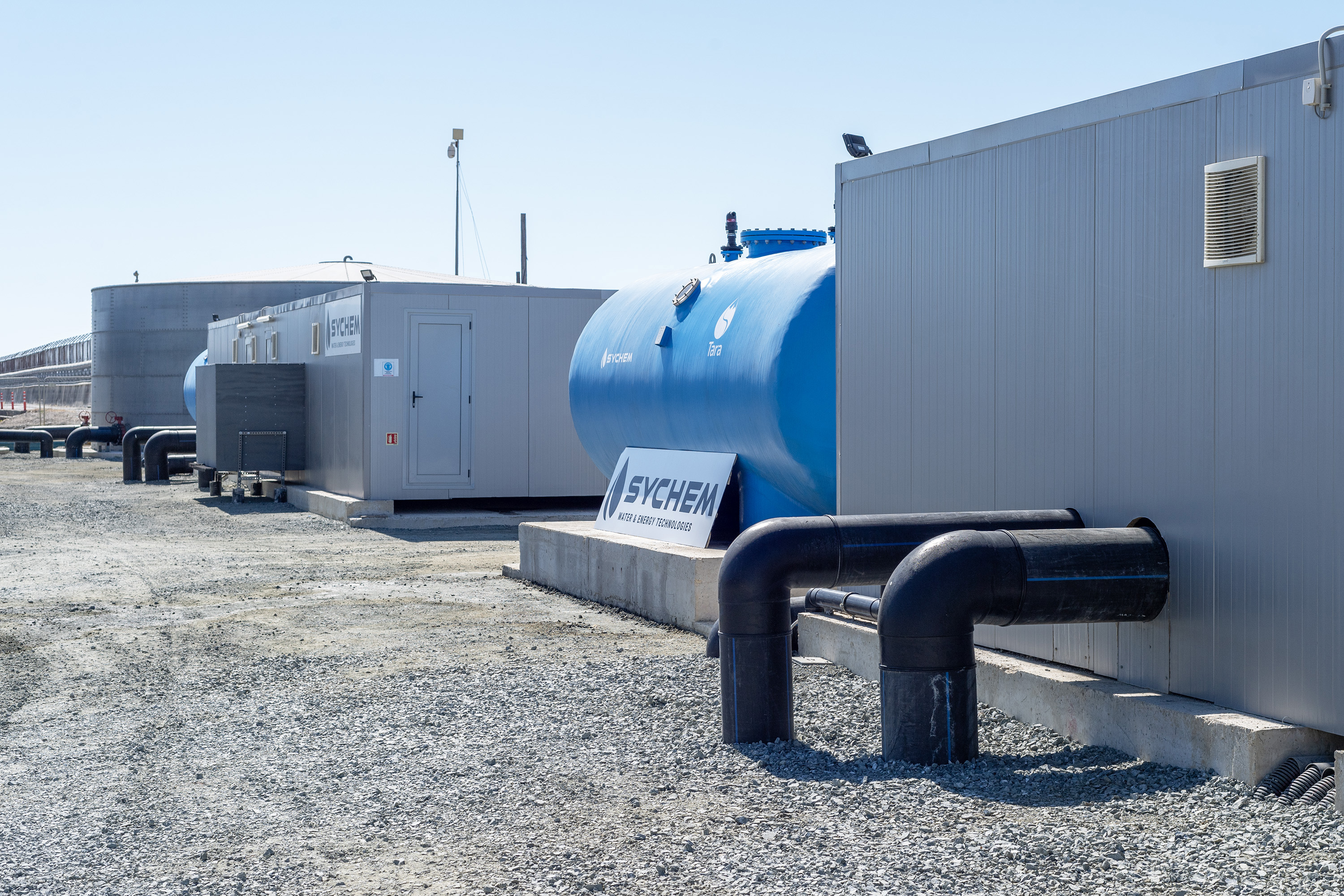
Speaking during a visit to the desalination plant at the port of Limassol, Panayiotou said desalination currently supplies around 80 per cent of the country’s drinking water, with additional projects due to come online over the next 18 months.
“With the units coming to Limassol in the autumn and the two planned for 2027, we are approaching 100 per cent coverage of our water supply needs,” she said.
The minister said the government inherited five desalination plants built over a period of 25 years but had brought four additional units into operation within two years.
She said Cyprus would have 10 desalination units operating for the first time, describing them as temporary measures until four permanent plants are completed in 2029.
Panayiotou said the increased production had already helped avoid domestic water cuts despite pressure on supplies.
“When I took office, the dams contained less water than they do today,” she said.
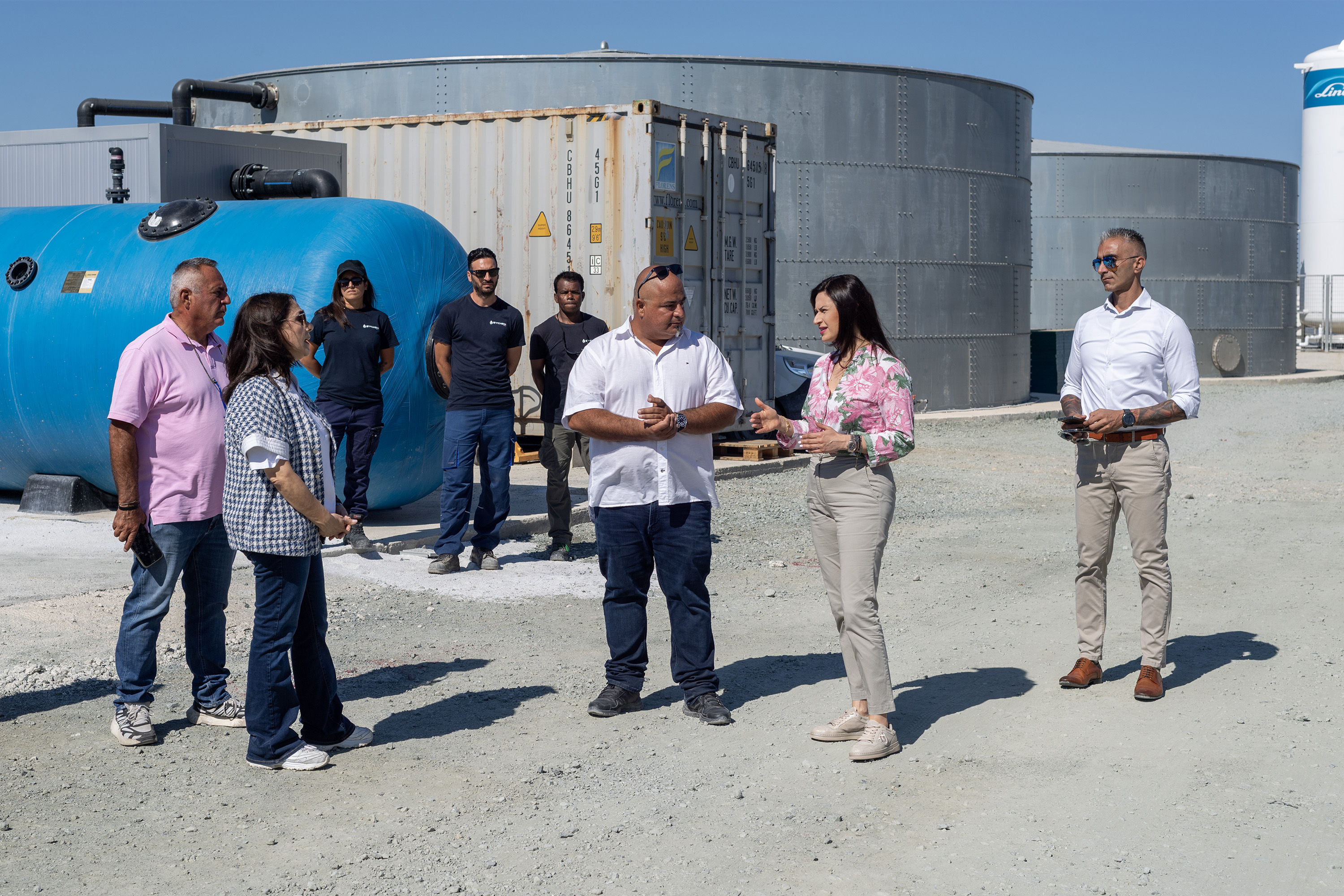
“Through our overall policy and the extraordinary efforts of the water development department (WDD), we have managed not to impose water supply cuts.”
She acknowledged that construction of the Limassol unit had taken almost twice as long as originally expected after unforeseen obstacles, including electricity infrastructure, delayed the project.
“These are demanding infrastructure projects,” she retorted.
“They need time to mature, time to prepare and find suitable locations, which are limited in Cyprus.”
While domestic water supplies are expected to become increasingly secure, Panayiotou cautioned that irrigation remained the sector facing the greatest pressure.
She said solving household water shortages would allow more water stored in reservoirs to be directed towards agriculture.
“We are solving the supply problem so that the water in our dams can be made available continuously to our farmers,” she said, though conceded that “this will not be solved in a day.”
The minister further urged households to continue conserving water despite improved rainfall.
“We are not repeating the mistakes of the past, the water we waste is the water we deprive our farmers of”, she concluded.
As part of that effort, the government has begun distributing three million water saving nozzles for household taps and showers under its “Water for Tomorrow” campaign, with nationwide distribution expected to be completed by the end of August.





Click here to change your cookie preferences