
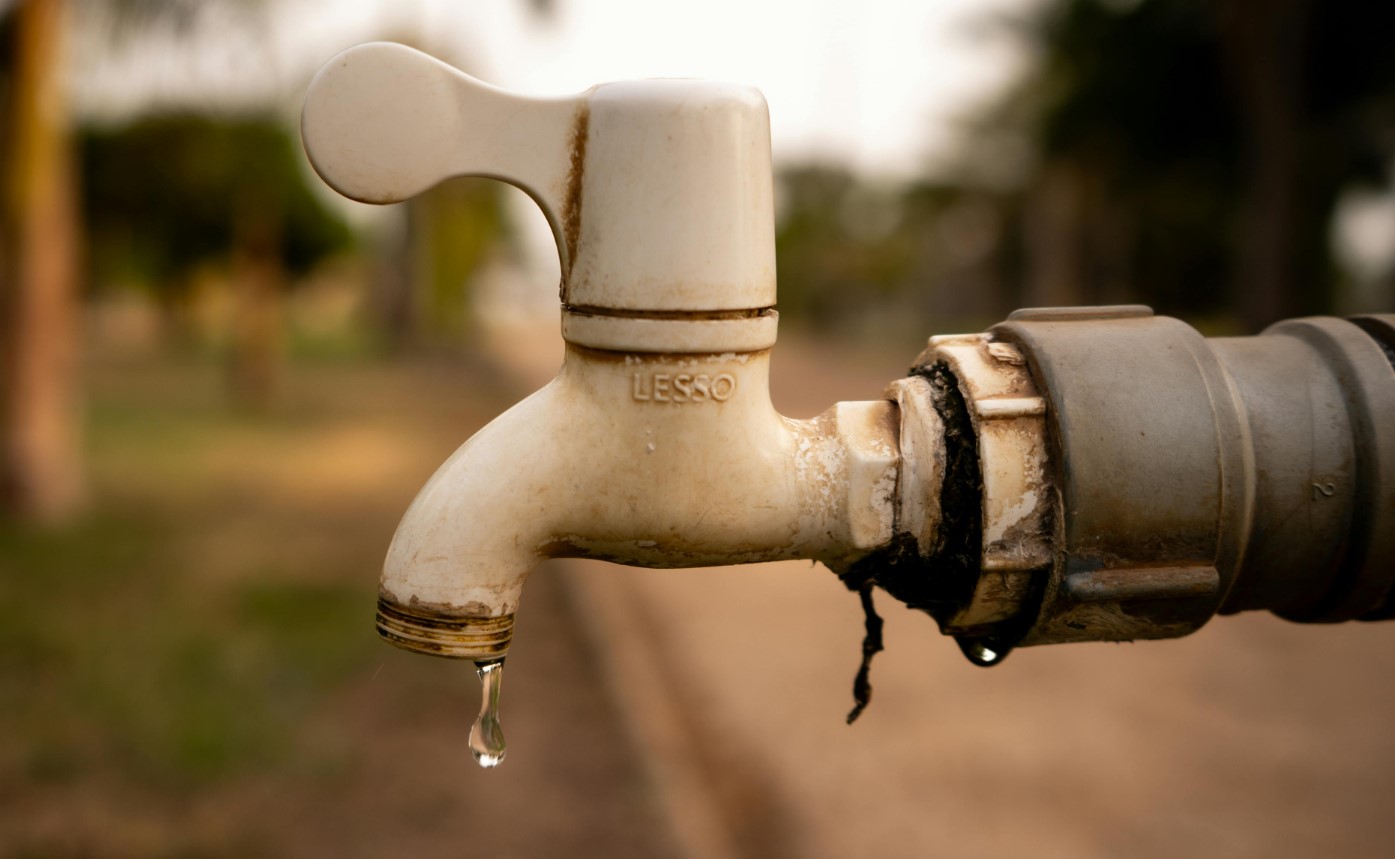
MPs warned on Tuesday that current water policy risks driving professional farmers out of agriculture, while questioning the government’s decision to extend water supplies from dams to four golf courses until September.
The concerns were raised during the first meeting between the newly elected House agriculture committee and Agriculture Minister Maria Panayiotou, who defended the government’s water management strategy while outlining reforms and investment programmes across the sector.
Committee chairman and Akel MP Yiannakis Gavriel warned that “within three years there will be no primary sector, especially for seasonal crops,” criticising the exclusion of seasonal crops from this year’s irrigation allocation.
He also questioned the decision to continue supplying dam water to four golf courses despite previous assurances that the practice would end in May.
Panayiotou said the golf course operators had requested and received “a short extension” while completing their own water infrastructure projects.
She said they were receiving only 1.5 per cent of the available water stored in dams and stressed that “this percentage will not be exceeded.”
The minister said irrigation policy for 2026 had been based on “a difficult but necessary balance” between supporting agricultural production and preserving water reserves for future years.
Priority had been given to permanent crops, greenhouses, livestock and industry through a three-year planning framework.
She added that irrigation allocations had increased from approximately 15.3 million cubic metres to 18.7 million cubic metres following improved rainfall and inflows into reservoirs, with the additional quantities directed exclusively to professional farmers.
Panayiotou also outlined the government’s wider strategy to strengthen long term water security, saying four desalination plants had been brought into operation within two years while further units would enter service later this year and in 2027.
“We are solving the water supply problem, covering 100 per cent of the needs from desalination, so that the water we have in the dams can be made available to farmers without any problems and continuously,” she said.
Addressing the foot and mouth crisis, Panayiotou said no cases had recently been recorded and confirmed compensation payments exceeding €28 million for affected livestock farmers would begin by early next week.
She added that the second phase of vaccinations would be completed in early autumn while veterinary authorities were examining requests from livestock farmers for further easing of restrictions.
Panayiotou also presented progress under the government’s Primary Sector Strategy, describing it as the largest package of reforms undertaken by the ministry.
The programme comprises 11 actions with a budget of €109.3 million, of which two have already been completed and seven are currently being implemented.
According to a University of Cyprus economic study cited by Panayiotou, the strategy is expected to generate €138.6 million in additional economic activity, increase gross domestic product by €70.8 million and create around 1,370 jobs.
Diko president Nikolas Papadopoulos called for clear implementation timetables for irrigation projects and questioned progress on infrastructure upgrades by district local government organisations aimed at reducing water losses.
Akel MP Valentinos Fakontis described the €10.5 million allocated for pipeline replacement as “a drop in the ocean”, while Disy MP Charalambos Pazaros warned that continued water shortages and delayed compensation could force more farmers to leave the sector.





Click here to change your cookie preferences