
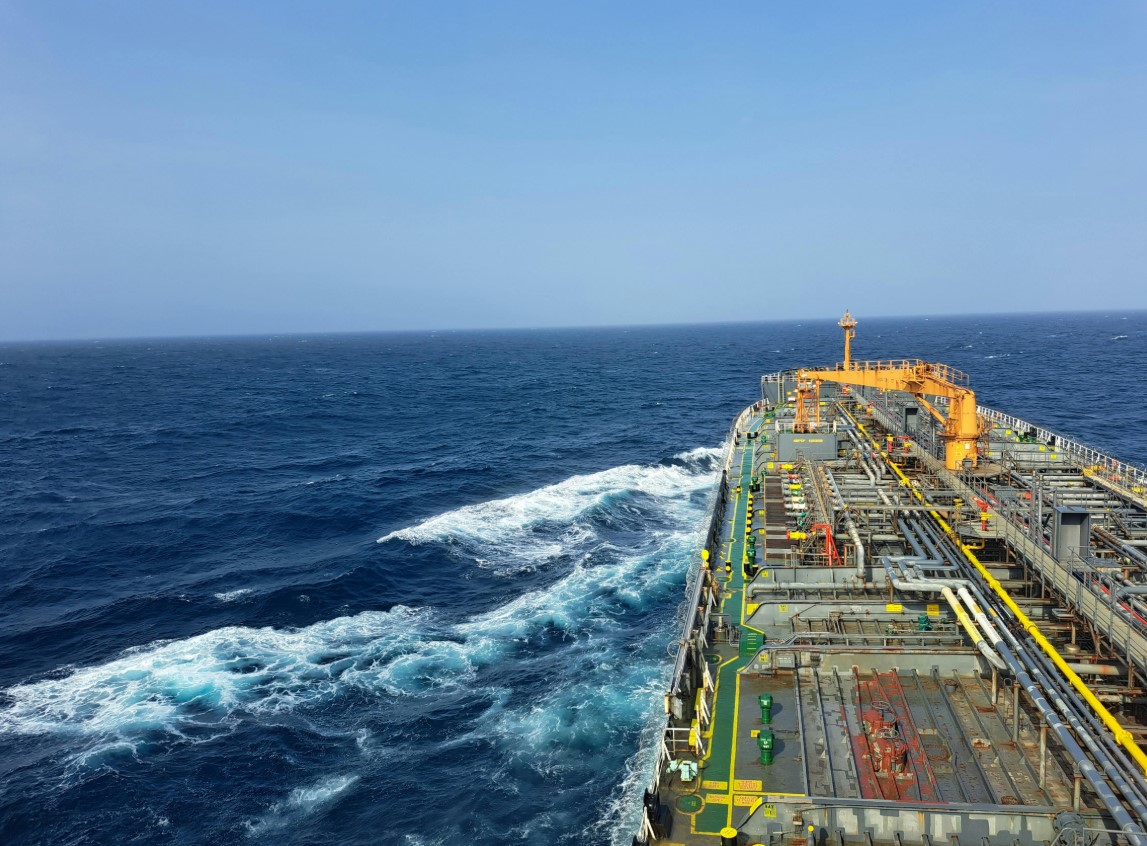
Global shipping will need almost 114,000 additional officers by 2030, as demand for qualified seafarers continues to outpace supply across the world merchant fleet, according to the new Seafarer Workforce Report 2026.
The report, released by BIMCO and the International Chamber of Shipping (ICS), estimates that 2.57 million STCW-certified seafarers are currently serving on 85,148 merchant ships worldwide.
However, the figures also point to a growing shortage of officers, with the industry facing an estimated shortfall of 39,100 STCW-certified officers this year, despite a surplus of 56,890 ratings.
The report is published every five years and is regarded as one of the shipping industry’s most comprehensive assessments of the supply and demand balance for certified seafarers. Its latest edition comes at a time when the sector is dealing with fleet expansion, new fuels, digital technologies, geopolitical disruption and a more demanding regulatory environment.
According to the report, demand for STCW-certified seafarers has increased by 35 per cent since the previous edition in 2021. Officer demand rose by 23.1 per cent, while demand for ratings climbed by 46.3 per cent, a rise linked to the expansion of the global merchant fleet and the recovery of activity after the Covid-19 pandemic.
The 2026 report estimates global seafarer supply at 2,565,580, including 1,048,980 officers and 1,516,600 ratings. Demand, meanwhile, is estimated at 2,547,790 seafarers, made up of 1,088,080 officers and 1,459,710 ratings.
The shortage is expected to become more pressing over the coming years. BIMCO and ICS forecast that shipping will need an additional 113,735 officers by 2030 to operate the world merchant fleet. To meet that demand, the industry would need to bring in around 22,747 officers and 8,475 ratings each year until the end of the decade.
ICS Secretary General Thomas Kazakos said the findings showed the importance of seafarers to global trade and the wider economy.
“Seafarers are the backbone of global trade, and this report reinforces just how important they are to keeping the world economy moving, especially in an increasingly fragmented world,” Kazakos said.
“As shipping continues to evolve, attracting more people to careers in maritime is essential. We must continue our long-standing efforts to engage with young people early and build a strong pipeline of future talent,” he added.
“At the same time, retaining and developing our existing workforce is equally important. Seafarers play a key role in the industry’s transition to new fuels and technologies. Ensuring they have access to the training and skills needed for this future will be critical,” Kazakos said.
He also mentioned that “Without continued investment in both recruitment and training, the workforce gap risks growing at a time when the industry needs skilled seafarers more than ever.”
The report also shows where demand is strongest. For officers, the largest shares of demand come from general cargo ships, at 21.4 per cent, followed by bulk carriers at 18.9 per cent and cruise ships at 14 per cent. For ratings, the highest demand comes from cruise ships, at 22.5 per cent, followed by bulk carriers and general cargo ships.
At the same time, companies reported that engineering officers and deck officers remain the hardest roles to recruit, while ratings are generally easier to hire for both deck and engine room positions.
There were some signs of improvement in training. The ratio of officer cadets to qualified officers improved to 1:3.8 in 2026, compared with 1:4.8 in 2021 and 1:7.6 in 2015. The report also found that officer cadet berths have become easier to find, continuing a trend first recorded in the 2015 report.
The largest seafarer supply countries remain heavily concentrated in Asia. The Philippines, India, China, Russia and Indonesia together account for 56.25 per cent of global seafarer supply. The same report said the five main nationalities identified by shipping companies were Filipino, Ukrainian, Indian, Romanian and Polish seafarers.
The report also points to gradual changes in workforce demographics. It found that the increase in the supply of female seafarers was concentrated mainly among officer positions, while the average age of operational-level officers and support-level ratings is now clustered around the 31 to 40 age group.
BIMCO Secretary General and CEO David Loosley said recruitment, training and retention would be central to ensuring that shipping is ready for future demand.
“The recruitment, training and retention of the seafarer workforce will be crucial to ensuring that our industry is prepared for the future,” Loosley said.
“We have a big collective task ahead of us in working with all stakeholders and the countries that are the biggest suppliers of the seafarers operating our ships,” he added, saying that “The report can help ensure that recruitment and employment policies are future focused.”
The findings also come shortly after the ICS Maritime Barometer Report 2025-2026 identified geopolitical instability as the leading risk shaping global shipping, alongside cybersecurity, regulatory fragmentation and uncertainty over future fuels.
For the seafarer workforce, that means the industry is not only trying to recruit more people, but also to prepare crews for a more complex operating environment.
The report concludes that maritime education, training and careers at sea must be promoted more strongly, including clearer information on how time at sea can lead to shore-based roles. It also calls for closer monitoring of seafarer recruitment and retention by maritime administrations, so that governments and industry can respond more quickly to changes in supply and demand.




Click here to change your cookie preferences