

When Greece’s debt crisis struck in 2009, George, owner of a jewellery shop outside Athens, found himself saddled with a new €100,000 loan just as his business turnover plummeted.
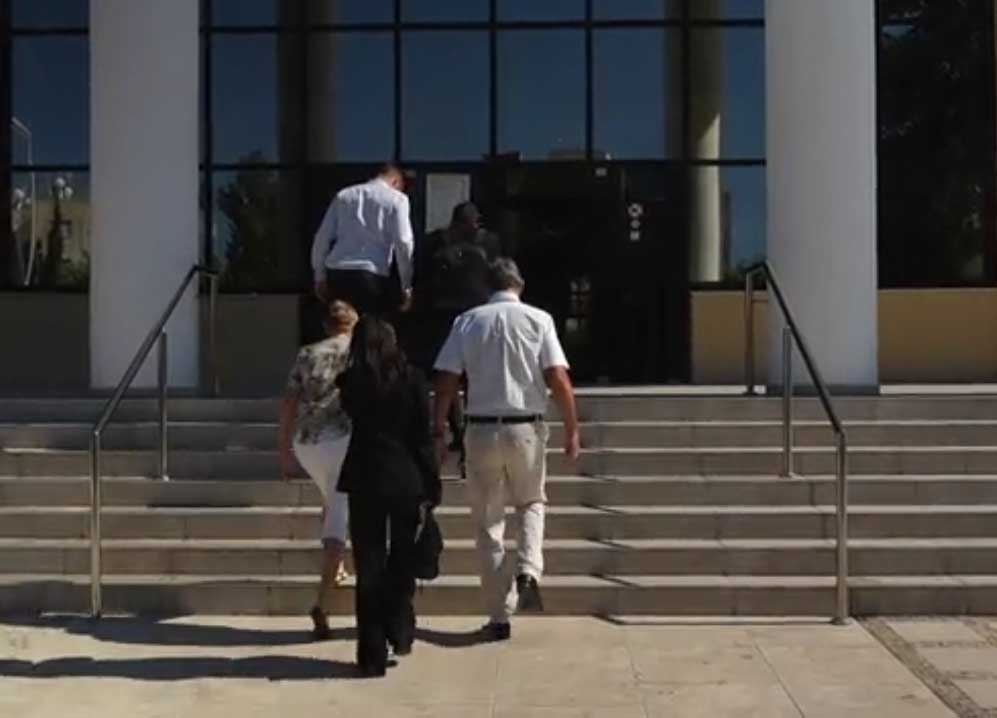
As the Greek financial sector collapsed, the loan was passed from bank to bank before ending up with a credit servicing company that refused his request to pay in more affordable instalments. The dispute went to court, where it remains today, stuck in a legal system overwhelmed by hundreds of thousands of similar cases.
While he waits, George’s debt has doubled because of unpaid interest.
“I have had a rope around my neck for 16 years. I’m trapped,” said George, who asked Reuters not to use his full name for fear it could complicate his situation. “I can’t take a new loan to pay the old one, to invest in my business, or even issue a credit card.”
MANY SMALL BUSINESSES CUT OFF FROM CREDIT
Greece has rebounded strongly from the crisis in recent years, and its growth now outstrips the EU average. However, a mountain of outstanding non-performing loans like George’s is quietly hampering a full recovery because would-be homeowners or businesses cannot borrow again until the old loans are settled, which could take years, eight borrowers and six government officials and experts said.
As a result, 1.5 million citizens, almost a quarter of the adult population, are still shut out of the banking system — nearly half of whom are small business owners — according to data from the government and service companies.
Some €75 billion, almost one-third of the country’s GDP, is blocked due to legal disputes or delays in settlements by the servicers.
“An economy cannot grow sustainably if such a large part of society has no access to financing, investment instruments, business loans or credit cards,” said Nana Papadogeorgaki, a lawyer who represents dozens of small business owners.
The justice ministry told Reuters that a recent reform of the civil code and the hiring of 1,000 more judges has cut processing times significantly. It said that cases now take 315 days on average to resolve, down from 1,200 days two years ago. Such outstanding loans are expected to be settled by 2028, it said.
But the officials and experts say that it will take at least five years before the service companies settle the loans.
“There are still huge delays – not 700 days but many more, in some cases it may reach up to 1,000 days,” Papadogeorgaki said. There are cases that will be examined in the courts in 2035, she said.
HOW LOANS GOT STUCK IN THE COURTS
In 2015, Greece, under pressure from international lenders, created a legal framework allowing banks to transfer more than 90% of their bad loans, or €110 billion, to specialized credit servicing companies.
However, the bad loan market did not start functioning for five years, due in part to administrative delays. The service companies that restructure loans and liquidate real estate collateral became a target of popular anger amid a period of austerity.
The vast majority of the borrowers used real estate assets as collateral, mostly primary residences protected by law. With the risk of losing their homes, many resorted to the courts.
“This is one of the biggest problems for the quick settlement of bad loans,” says Theoni Alambasi, general secretary of private debt in the finance ministry.
International institutions such as the IMF and EU, which bailed out Greece during the crisis, have repeatedly criticized the country over the delays. In an interview in March, an IMF official said that reforms were needed.
The servicers say the system is at fault.
“When the servicers’ activity is heavily dependent on legal processes and often inconsistent and conflicting rulings, the result is significantly impacted,” the Hellenic Loan Servicers Association, which includes companies such as Do Value and Intrum, told Reuters.
Meanwhile, business owners are struggling.
“We will die without ever repaying our debts,” said a small hotel owner on the island of Crete who took a loan of about €1.2 million early in the 2000s.
“The servicer is asking us to pay €2 million in the next two years. We can’t even replace an old air-conditioner.”



Click here to change your cookie preferences