
Energy shock effects contained for now, but risks remain
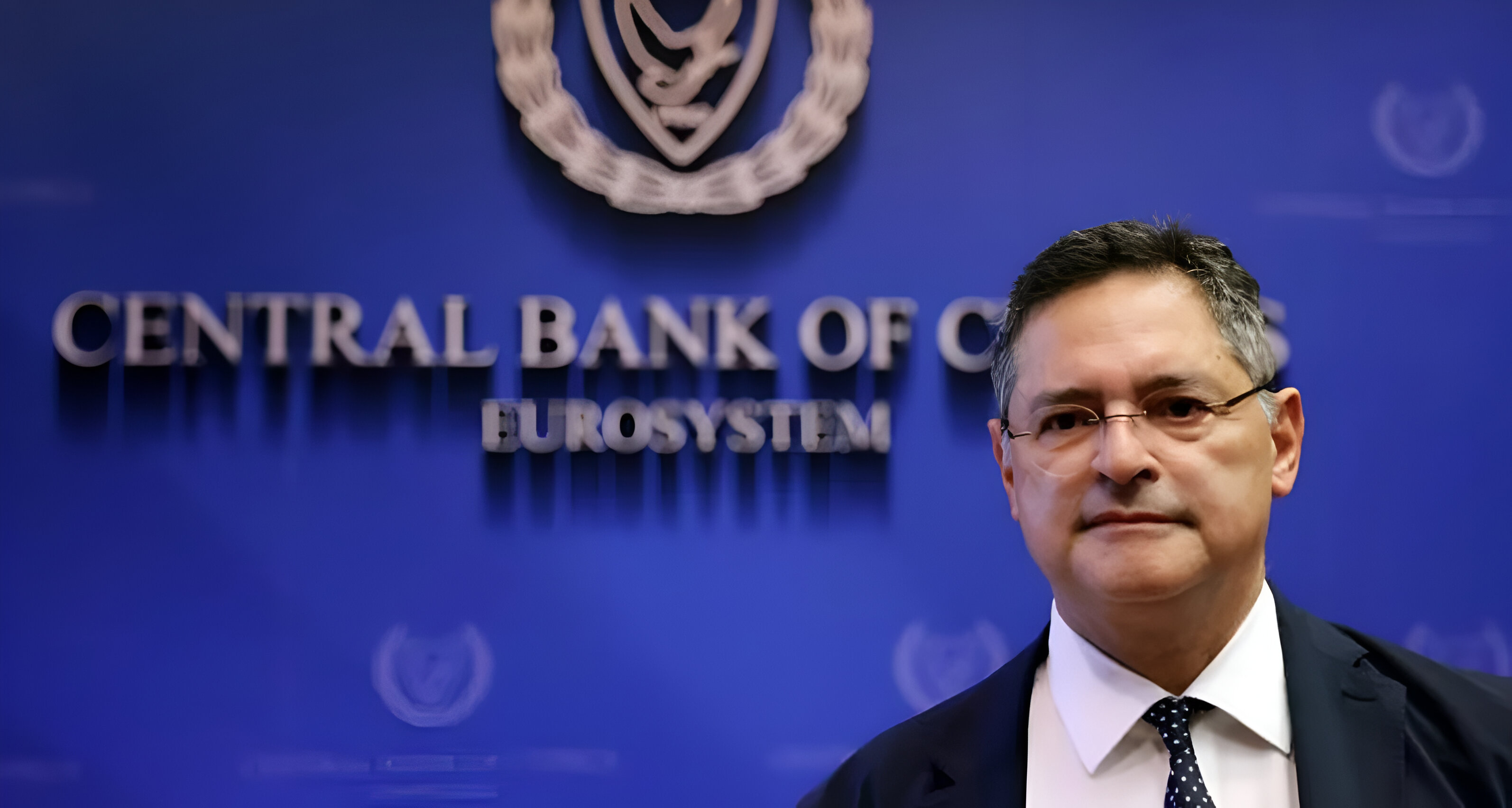
The European Central Bank (ECB) left its key interest rates unchanged earlier this week, with Central Bank of Cyprus (CBC) governor Christodoulos Patsalides warning on Friday that the broader effects of the recent energy shock remain contained for now but that risks to inflation continue to point upwards as the conflict in the Middle East persists.
Patsalides, who sits on the ECB’s Governing Council, said the decision reflected continued uncertainty surrounding the economic outlook and the potential consequences of higher energy prices.
“We kept key interest rates unchanged,” Patsalides said.
“So far, broader effects from the energy shock remain contained,” he added.
The CBC chief further explained that “the economic outlook continues to be shaped by heightened geopolitical uncertainty“.
“Risks to inflation continue to be tilted to the upside, whereas risks to growth remain on the downside,” he continued.
“Elevated energy prices are increasing production costs, and the longer the conflict in the Middle East endures, the greater the risk that these pressures broaden and become more persistent,” Patsalides added.
The ECB said the current outlook for energy prices remains highly volatile, although it is still broadly consistent with the baseline scenario contained in the June Eurosystem staff projections.
However, the central bank stressed that energy prices remain well above the levels recorded before the outbreak of the conflict in the Middle East, with uncertainty continuing to weigh on the euro area’s economic outlook.
It also cautioned that the full inflationary impact of the energy shock has yet to be fully realised, meaning policymakers remain alert to the possibility of broader price pressures emerging over time.
The Governing Council said it is closely monitoring both the intensity and duration of the shock, as well as any indirect or second-round effects on consumer prices and wage growth.
The ECB reaffirmed its commitment to ensuring that inflation returns sustainably to its 2 per cent medium-term target.
Following Thursday’s decision, the deposit facility rate remains at 2.25 per cent, the main refinancing operations rate remains at 2.40 per cent, and the marginal lending facility rate remains at 2.65 per cent.
The central bank said maintaining current borrowing costs leaves policymakers in a strong position to respond should geopolitical developments or financial conditions change.
It also reiterated that future monetary policy decisions will continue to be taken meeting by meeting and remain fully data dependent, rather than following any predetermined path.
The Governing Council said its decisions will continue to be based on its assessment of the inflation outlook and the balance of risks, while taking into account incoming economic and financial data, developments in underlying inflation, and the strength of monetary policy transmission.
“The Governing Council is not pre-committing to a particular rate path,” the ECB said.
The central bank explained that policymakers are continuing to assess whether renewed volatility in energy markets caused by tensions in the Middle East could generate inflationary pressures extending beyond direct energy costs.
Alongside its interest rate decision, the ECB confirmed that the portfolios held under its Asset Purchase Programme (APP) and Pandemic Emergency Purchase Programme (PEPP) continue to decline at a measured and predictable pace.
This reduction is continuing because the Eurosystem is no longer reinvesting principal payments from maturing securities purchased under the two programmes.
The ECB also reiterated that it remains prepared to deploy all policy tools available within its mandate if necessary to safeguard price stability and ensure the smooth transmission of monetary policy across the euro area.
“The Governing Council stands ready to adjust all of its instruments within its mandate to ensure that inflation stabilises at its 2 per cent target in the medium term,” the ECB said.
The central bank also confirmed that the Transmission Protection Instrument remains available to counter unwarranted and disorderly market movements that could impair the transmission of monetary policy across euro area member states.
It said the instrument enables the Governing Council to more effectively fulfil its mandate of maintaining price stability throughout the euro area.





Click here to change your cookie preferences