
Cyprus has changed a lot in the past few decades. Not only has the tourism sector grown by leaps and bounds, but the country has also seen a rise in urbanisation, driven by growth in other sectors. These and more changes have paved the way for a very busy lifestyle, akin to that in Western countries. In fact, many people find themselves going through the motions of tiring commutes, long workdays, limited family time, and an ever-growing list of modern-day concerns. But could the slow living lifestyle be changing this for the better?
Why are Cypriots embracing slow living?
From the outside, Cyprus seems like the perfect paradise, what with its amazing weather, beautiful landscapes, and gorgeous beaches. It’s no wonder that many tourists who travel to the island find themselves dreaming about moving here for good. But in reality, the residents face the same pressures found across Europe, including poor work-life balance. Unfortunately, this takes a toll on residents, who face burnout, digital overload, and a host of other issues. Luckily, slow living is proving to be the answer, as it offers a pause.
How?
The best way to visualise slow living is to look at humans through the lens of aviation. With airplanes, airlines know that they can only push these machines so far before they are subject to wear and tear. As such, they turn to organisations like Magnetic MRO, which offer superb aircraft engineering services to ensure that the aircraft operate optimally.
In a similar way, slow living helps people fine-tune their lives so they get enough rest, invest in what enhances their quality of life, and replenish their energy to show up fully at work.
Interestingly, slow living goes beyond preventing burnout. A quick look at Cypriot history reveals that thanks to philosophies such as Siga-Siga, Cypriots were not always driven to work themselves to exhaustion. They had systems in place to move slowly and delight in the everyday things without always wondering about what was next. Now, Cypriots are eager to reconnect with these traditional ways of life so they can hold on to key aspects of their culture even as they modernise other aspects of their lives.
What does slow living entail?
In their quest to give themselves ample opportunities to remain mindful and present in their lives, Cypriots have adopted various approaches, with some moving back to villages in the mountains and along the coast. Understandably, some of these avenues may not be feasible for everyone, which is why we have centred on the following achievable approaches:
Taking midday breaks
Back in the day, Cypriots would pause their work when the sun was overhead. But that soon became a thing of the past because people normalised eating lunch at their desks, holding meetings all day, and so on. Now, more people are taking a break at noon to have lunch, take a walk, have a social call, or even just rest in the shade. While these breaks vary in length, they all signal a boundary between the morning and evening and serve as a necessary pause amid the hustle and bustle of the day.
Escaping to the mountains and sea
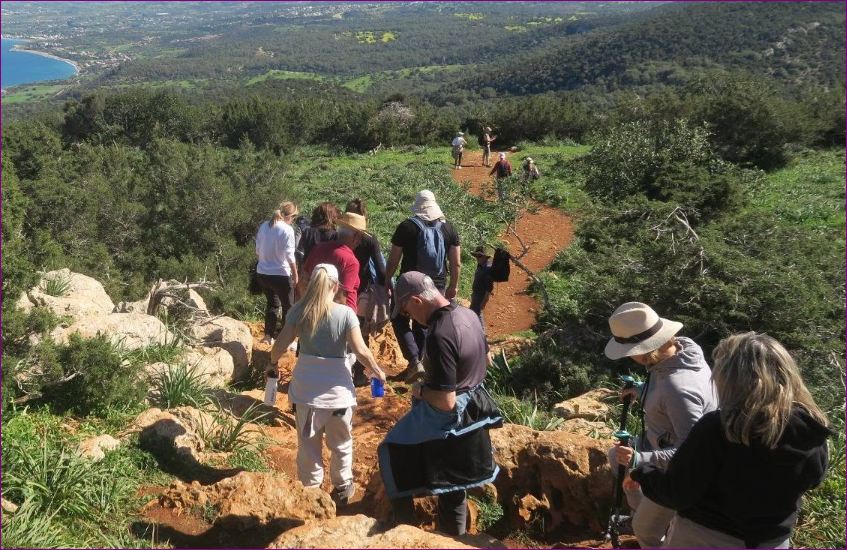
Cyprus is blessed with beautiful mountain trails and beaches. And as residents know very well, a short trip to these natural landscapes is enough to refresh the mind. And with the country’s small size, residents can plan day trips to the trails or the sea, where they can decompress and replenish their physical and mental energy. Some are even able to do so daily.
Engaging in slow food culture
Instead of moving towards hurried meals, more Cypriots are embracing long mealtimes shared with family and friends. And with traditions such as baking bread paving the way, more people are finding joy in simple social gatherings over food, where they can catch up with loved ones and build strong communities.


Click here to change your cookie preferences