
Questions over the handling of the Videogate investigation intensified on Friday after independent criminal investigator Andreas Paschalides admitted he “may have made a mistake in the wording” of statements issued after submitting his findings to attorney-general George Savvides, while his deputy Savvas Angelides defended withholding details of the ongoing probe.
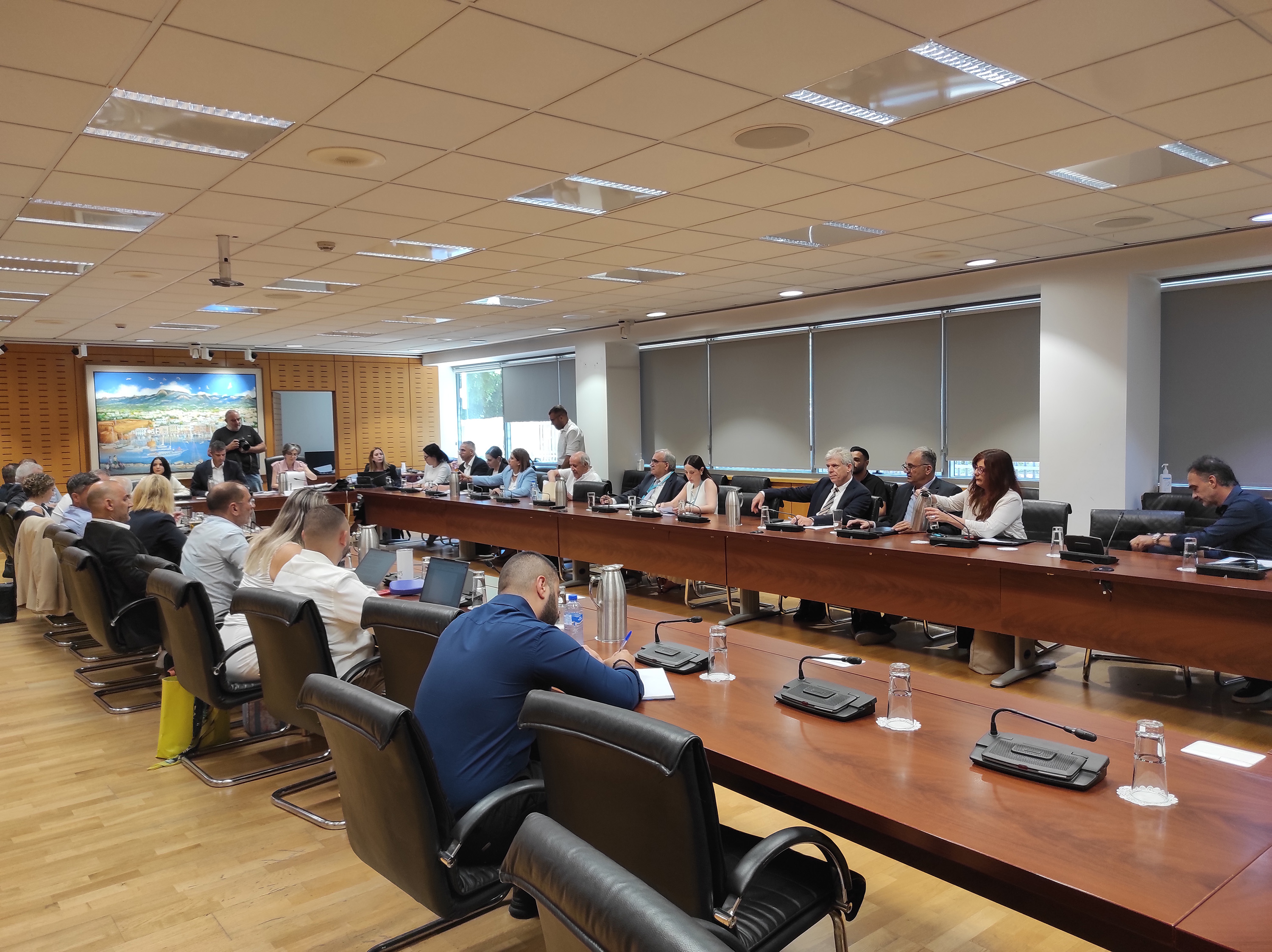
The House institutions committee convened an extraordinary session to examine Paschalides’ public statements following his report on the Black Cube produced Videogate recordings.
MPs also questioned the legal service’s decision not to provide the investigative file while criminal investigations remain ongoing.
Committee chairman Demetris Demetriou said the investigator’s first statement prompted parliament’s intervention, while the second “created more questions than answers”.
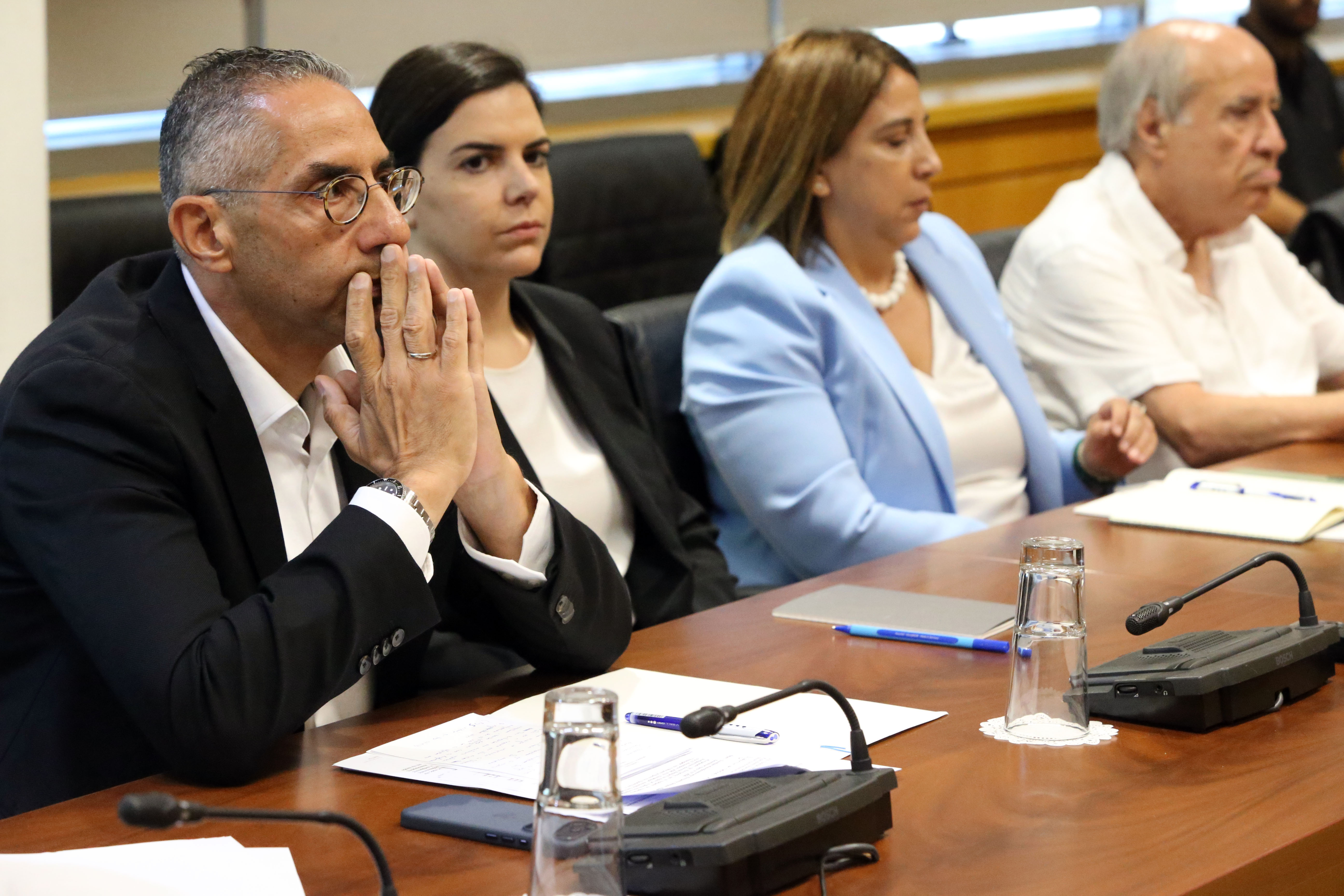
He challenged Paschalides over references to a “hybrid attack”, apparent contradictions over possible offences and his decision to issue public statements before Savvides had completed his assessment.
Akel MP George Loukaides questioned the timing of developments surrounding the case, remarking that, “as soon as Videogate came out, Simon Aykut was sent to Israel within a week to serve his sentence.”
He also pressed investigators over the authenticity of the footage, asking whether the people shown had actually spoken the words attributed to them or whether “it was the result of artificial intelligence or editing”.
Alma MP Irene Charalambides said the public had waited “six whole months” before the announcement was issued last Monday, adding that the wording of the first statement had allowed the presidential palace “to celebrate”.
Angelides said the legal service respected parliament’s oversight role but had a duty to protect an active criminal investigation.
“The paradox, and I think this is the first time this has happened, is that we are within the framework of the investigation. It has however not been completed, and now the House is coming to exercise control,” he said.
He said Savvides could still order further investigative work, bring prosecutions or determine there was insufficient evidence.
Discussing the case publicly, he warned, created “a serious possibility of influencing the process”.
Angelides said three outcomes remained possible, returning the file for further investigations, bringing criminal prosecutions or concluding there was insufficient evidence to proceed.
After outlining the legal service’s position, Angelides declined to answer questions on the substance of the investigation and swiftly left the committee room.
Demetriou replied that parliament was “indeed not a court” and questioned whether the legal service was unnecessarily restricting scrutiny.
Paschalides accepted responsibility for issuing the statements, saying he wanted to update the public after completing one part of the investigation but later realised his wording had caused confusion.
“I realised that my own impression was not completely understood,” he said.
“Perhaps I also made a mistake in the wording.”
He stressed his conclusions reflected the evidence available when he submitted his report and could change if new evidence emerged.
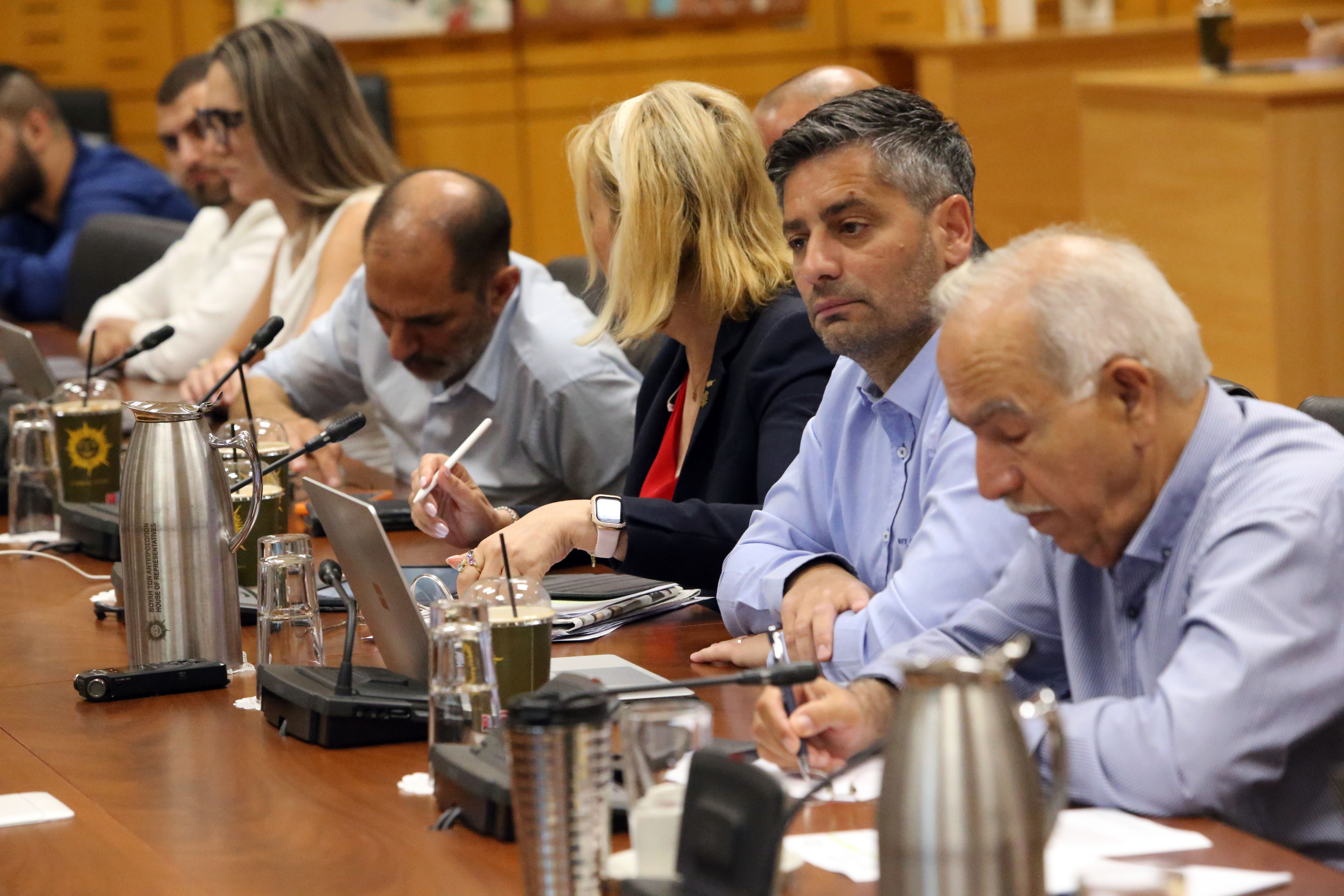
“If in the course of things this situation changes, then I will adjust my findings,” he said.
Rejecting criticism over the timing of his announcement, Paschalides said he completed the report on July 17 and drafted the statement over the weekend.
“I finished it on the 17th of the month and received it on Friday. I sat down over the weekend to write the announcement,” he said.
“If I was wrong, hang me.”
Addressing the video itself, Paschalides said experts had informed him it had been edited.
“The video we all saw is edited. As a judge, I tell you that an edited video has zero evidentiary value,” he said.
He later clarified that his assessment had been made after reviewing the original 26 hours of footage.
Paschalidis dismissed suggestions his reappointment as president of the watchdog tasked with investigating complaints against the police (Aadipa) had influenced his work.
“The attorney-general recommended me. Ask him why he recommended me. I want to believe that it is because I am doing my job correctly,” he said, adding that he had “never spoken” to President Nikos Christodoulides.
Black Cube’s lawyer Antonis Demetriou disputed claims the company had carried out a hybrid attack against Cyprus, telling MPs it possessed “26 hours of authentic material”.
Deputy minister to the president Irene Piki refuted any notion that Paschalides’ appointment had been politically motivated, insisting that his roles in both 2021 and 2026, followed recommendations from the attorney general.
She also rejected suggestions government spokesman Constantinos Letymbiotis had been misled by the investigator’s initial statement.
After the hearing, Demetriou lambasted the legal service for having “attempted to limit parliament’s oversight role” and described Paschalides’ admission that the wording of his announcement had been mistaken as “significant”.

Click here to change your cookie preferences