
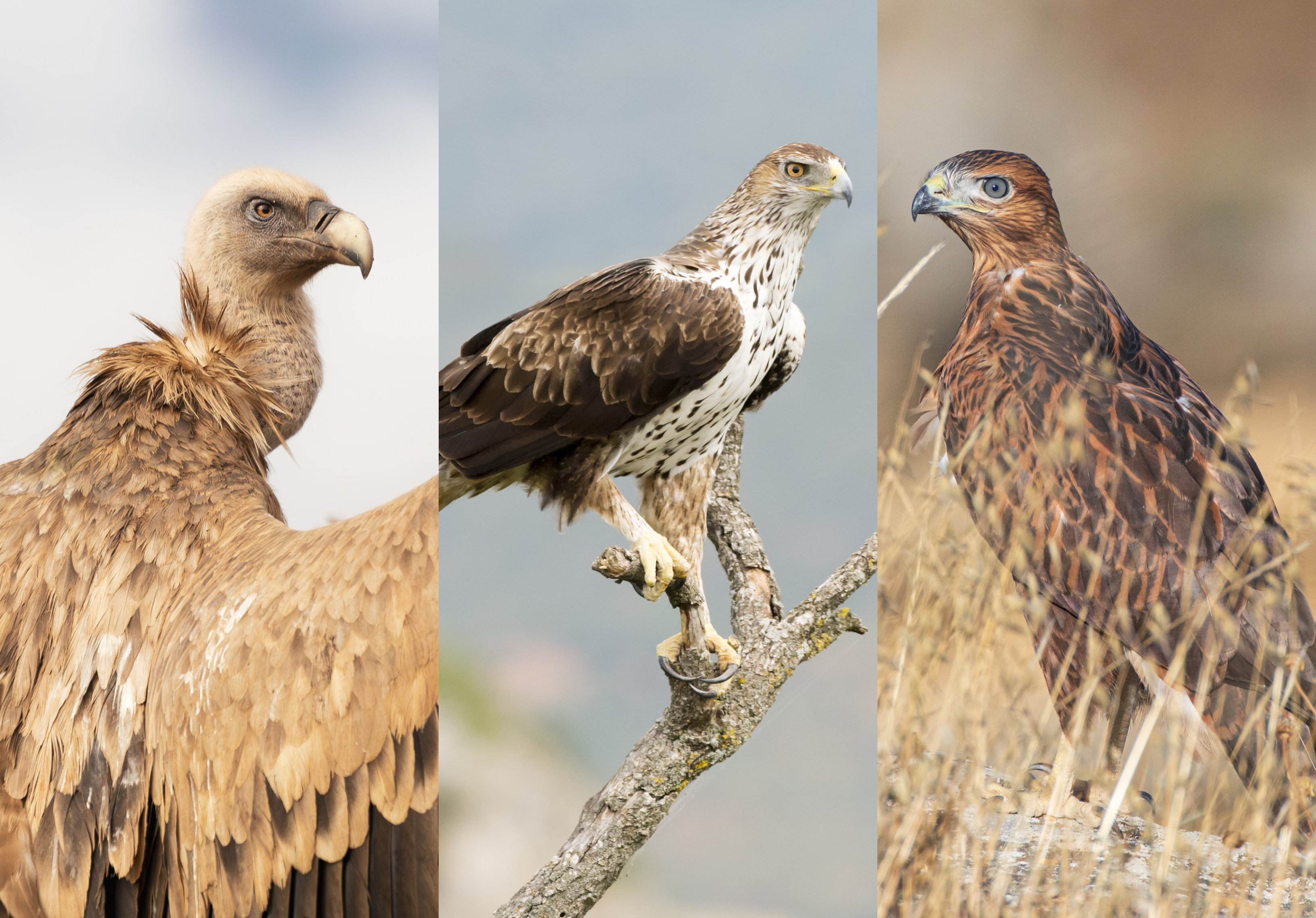
Six organisations have joined forces to protect three of Cyprus’ most iconic birds of prey through a new EU co-funded conservation programme aimed at tackling the main threats driving their decline.
The long-term project focuses on safeguarding the griffon vulture (Gyps fulvus), Bonelli’s eagle (Aquila fasciata) and the long-legged buzzard (Buteo rufinus) by addressing the leading causes of mortality, including poisoned bait, electrocution and collisions with electricity infrastructure, illegal shooting and drowning in open water reservoirs.
The griffon vulture remains in a particularly critical state in Cyprus, with its population now standing at just 37 birds. In recent years, poisoned bait and electrocution have emerged as the greatest threats to the species’ survival.
Bonelli’s eagle, the only eagle species still breeding on the island, continues to face risks from persecution, poisoning and energy infrastructure.
Meanwhile, the long-legged buzzard, although it has expanded its range across Cyprus in recent decades, remains vulnerable to shooting, electrocution, collisions with infrastructure and drowning, highlighting the need for further research into the species.
The Raptors for LIFE project, which officially launches in October, is led by BirdLife Cyprus in partnership with the Game and Fauna Service, the Vulture Conservation Foundation, the State General Laboratory, Cyprus police and the Electricity Authority of Cyprus (EAC).
The new initiative builds on the achievements of two recently completed conservation programmes, LIFE with Vultures and LIFE Bonelli’s eastMed, which significantly strengthened protection measures for griffon vultures and Bonelli’s eagles.
Those projects helped researchers better understand the causes of mortality affecting each species and the impact on their populations.
For the griffon vulture in particular, the population was significantly reinforced through the transfer and release of birds from Spain, while cooperation between competent authorities was strengthened to prevent and combat the illegal use of poisoned bait.
Raptors for LIFE aims to build on that experience by expanding conservation efforts to all three species and further reducing the threats they face.
Planned actions include providing scientific evidence through laboratory analysis to support criminal prosecutions in wildlife poisoning cases, improving procedures for investigating and prosecuting wildlife crime, strengthening expertise in poison detection through new equipment and specialised training, and identifying previously undetected toxins to allow earlier intervention against emerging threats.
Project partners said particular emphasis would be placed on strengthening cooperation between government authorities, scientific institutions, environmental organisations and local communities.
They stressed that protecting birds of prey requires more than field conservation, relying equally on effective coordination, scientific knowledge, law enforcement and the active participation of people living and working in rural areas.




Click here to change your cookie preferences