
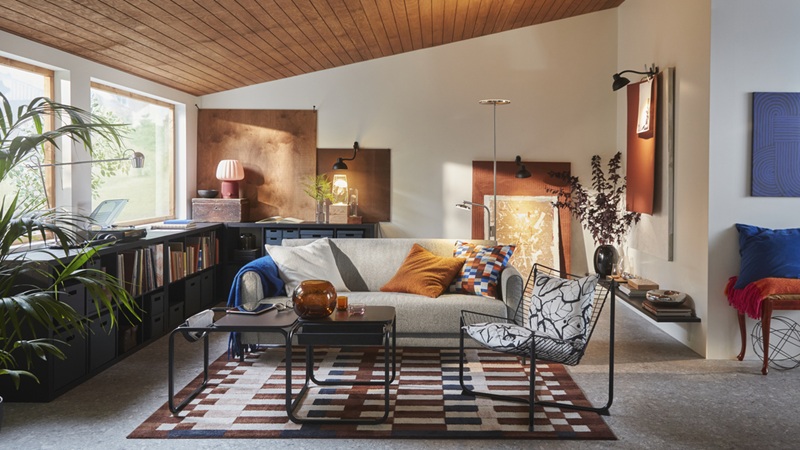
A home that embraces the philosophy of slow living is not simply a beautiful setting, nor is it automatically characterised by a minimalist aesthetic. It is a daily mechanism for unwinding, a home that understands our needs and lives alongside us. In a fast-paced world, the home becomes the only place where we can consciously slow down. This does not mean fewer things ‘for the sake of fashion’, but rather more deliberate choices that relieve our senses of unnecessary clutter.
IKEA embraces this philosophy through helping to create spaces that are not visually overwhelming, but which foster a more peaceful everyday life — from the arrangement of the furniture right through to the textures and materials. Its ideas and products are always in keeping with this philosophy.
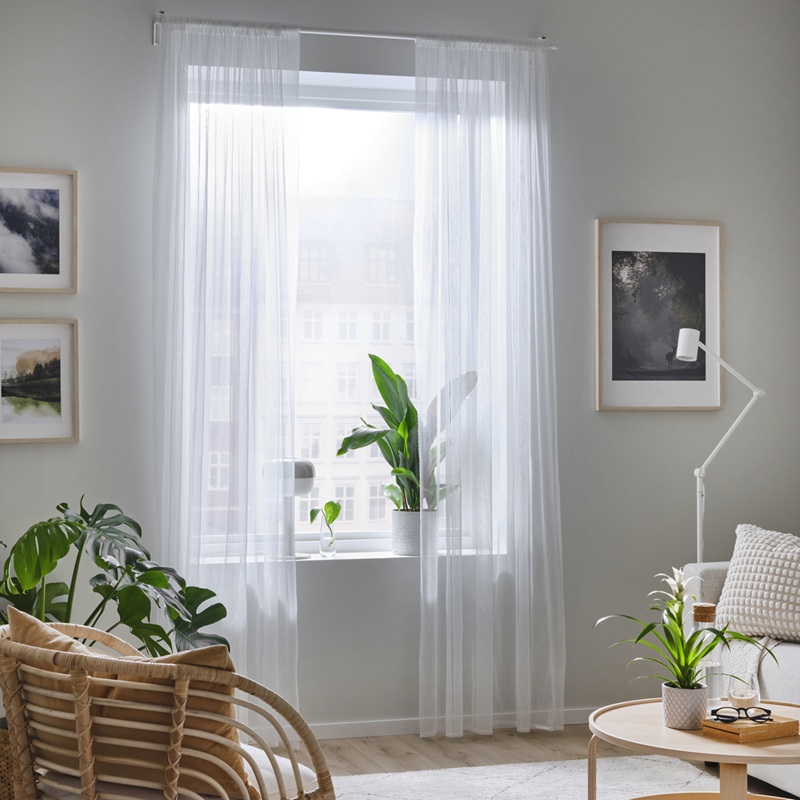
The essence of slow living begins with the way a space ‘breathes’. When a home is full of stark contrasts, harsh colours and a chaotic layout, the brain continues to process stimuli, even when it is trying to rest. By contrast, soft colour transitions and natural colour palettes create a sense of continuity. An interesting idea is the “monochromatic relaxation zone”: a spot in the home (e.g. a corner of the living room or bedroom) where everything is in the same colour family, from curtains to rugs, not in order to follow strict design rules, but rather to reduce visual tension.
Natural materials have an impact not only aesthetically, but also psychologically. Wood in earth tones or a rug made of natural fibres creates a sense of ‘human imperfection’ that makes the space feel warmer and less sterile. An original approach is to combine different natural textures in the same spot, not to create contrast, but to add depth in a natural way. For example, on a wooden surface, a cotton fabric and a ceramic object create a harmonious composition that is interesting without being overwhelming.
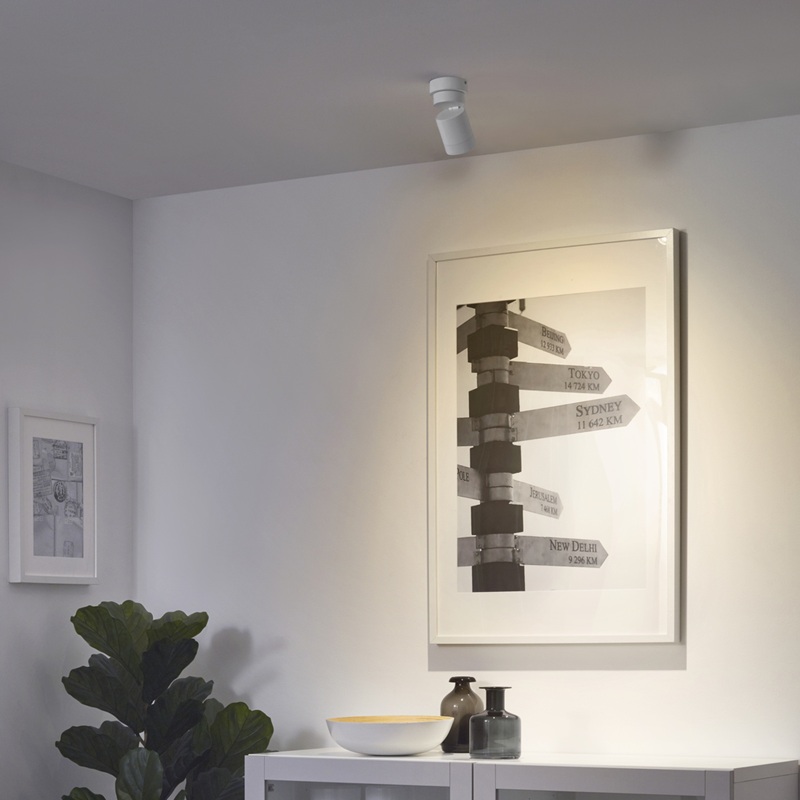
Lighting is one of the most crucial factors when designing a home that we want to be restful. We avoid the “one bright central light” approach and instead explore the concept of layered lighting, which completely transforms the experience of the space. Floor lamps, small table lamps and concealed lighting can create different ‘scenarios’ throughout the day: morning light to boost energy, afternoon warmth to help you relax, soft lighting to help you unwind. A small but clever trick is to use light fittings that shine towards the wall or ceiling, so the light is diffused gently and does not hit the eyes directly.
Functionality in slow living does not mean minimalist austerity, but clever adaptability. Multifunctional furniture is key here, as it allows the home to change without feeling disjointed. A sofa that can be moved easily, a table that extends when needed or storage systems that adapt to the space create a sense of freedom. A more creative idea is to think of the home in terms of functional zones rather than rooms: a corner can be a workspace in the morning and a place to relax in the evening, without needing to be drastically changed.
Ultimately, a ‘slow living’ home isn’t one that’s empty. It’s flexible, serene and human. It doesn’t dictate the pace, but follows your own. It’s a space that doesn’t constantly demand your attention, but gives you energy in return.
For more ideas, solutions and inspiration to create a more peaceful lifestyle at home, visit your nearest IKEA store or browse our online collections that can transform your space.





Click here to change your cookie preferences