
AI bottlenecks set to continue until 2027, Omdia says
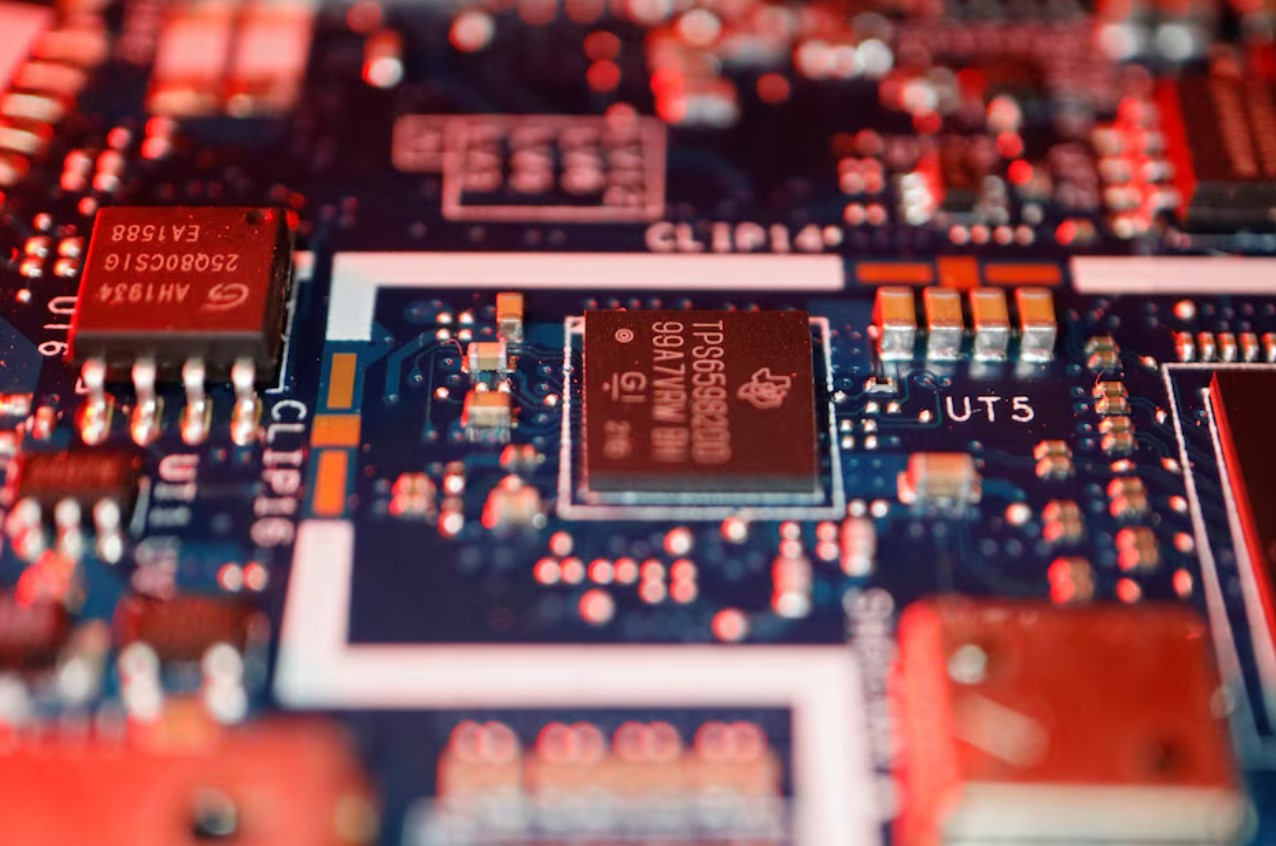
Research firm Omdia has sharply increased its forecast for global semiconductor revenue in 2026, saying surging artificial intelligence demand continues to outstrip the industry’s manufacturing capacity, with supply bottlenecks expected to persist until at least 2027.
The company now expects global semiconductor revenue to grow by 94.1 per cent year-on-year in 2026, driven primarily by exceptional growth in DRAM and NAND memory chips.
According to Omdia, memory integrated circuits (ICs) are now expected to account for more than 50 per cent of total semiconductor revenue this year, underlining the dominant role of AI in reshaping the global chip market.
The report said AI demand has already exceeded the industry’s ability to manufacture and package advanced chips, creating persistent shortages across high bandwidth memory (HBM), advanced packaging technologies and leading-edge semiconductor manufacturing capacity.
Omdia expects these constraints to continue until at least 2027.
The firm said HBM remains one of the most constrained parts of the semiconductor industry because it is considerably more complex to manufacture than conventional DRAM memory.
Only SK Hynix, Samsung and Micron currently possess the capability to produce HBM at commercial scale, leaving global supply heavily concentrated among three manufacturers.
Demand has intensified further because AI accelerators produced by companies including NVIDIA, AMD, Intel and Google all rely on HBM memory stacks to deliver the computing performance required by advanced AI models.
The report also identified advanced semiconductor packaging as another critical bottleneck.
Omdia said dedicated advanced packaging production lines at TSMC are already operating at full capacity.
Expanding that capacity remains difficult because specialised manufacturing equipment requires lengthy production lead times.
Equipment suppliers including ASML and Tokyo Electron are themselves facing manufacturing constraints, slowing efforts to increase production.
Pressure is also building across the industry’s most advanced manufacturing technologies.
According to Omdia, TSMC’s 2-nanometre and 3-nanometre production nodes are already largely reserved by customers including NVIDIA, AMD, Broadcom and Apple.
At the same time, the computing requirements of increasingly sophisticated AI models are growing much faster than semiconductor foundries can expand manufacturing capacity.
As investment and production become increasingly concentrated on AI applications, Omdia warned that other technology markets are coming under growing cost pressure.
The report said manufacturers of smartphones, personal computers and consumer electronics are already facing higher component costs.
Meanwhile, automotive and industrial electronics companies are also competing with AI developers for access to advanced packaging capacity and memory chips.
Within the memory market, Omdia said manufacturers are prioritising production of HBM and other higher-margin products.
As a result, prices and delivery times for standard memory products are becoming increasingly volatile.
The report added that older and mid-range semiconductor packaging technologies are less affected.
However, products requiring 2.5D or 3D packaging must compete directly with AI graphics processors and other high-priority chips for limited manufacturing capacity.
A similar pattern is emerging in leading-edge semiconductor production.
Omdia said AI processors are increasingly being prioritised over processors intended for personal computers and smartphones.
Consequently, central processing units (CPUs) and systems-on-chip (SoCs) designed for those devices could experience production delays, higher average selling prices or remain on older manufacturing processes for longer than previously expected.
The report warned that this could slow improvements in both computing performance and energy efficiency across a range of consumer products.
Despite these supply pressures, Omdia expects consumer electronics and wireless devices to remain important contributors to semiconductor revenue growth during 2026.
The company said smartphone prices began increasing during the fourth quarter of 2025 and have continued to rise, particularly in the premium segment, where manufacturers are better able to absorb higher memory costs while maintaining profit margins.
According to the report, this pricing strategy is narrowing the price difference between mid-range and premium smartphones, encouraging more consumers to upgrade to higher-end models.
Omdia also expects several major product launches later this year to further increase semiconductor demand.
These include Apple’s iPhone 18, Apple’s iPhone Fold and Google’s Pixel 11 Pro Fold, all of which are expected to contain more semiconductors as manufacturers introduce additional features and expanded AI capabilities.
The report also forecasts meaningful semiconductor revenue growth from smart watches, fitness and wellness wearables, video game consoles and OLED televisions.
Omdia said these gains will be supported by both higher component prices and sustained consumer demand.
“From mid-2026 through early 2027, the semiconductor market will be defined by relentless AI demand,” said Myson Robles-Bruce, Senior Principal Analyst at Omdia.
“Capacity will remain constrained, advanced nodes heavily utilised, and memory and advanced packaging costs will continue to rise,” he added.
“Investment tied directly to AI infrastructure will drive record silicon consumption, while non-AI markets continue to face supply constraints,” the analyst concluded.




Click here to change your cookie preferences