
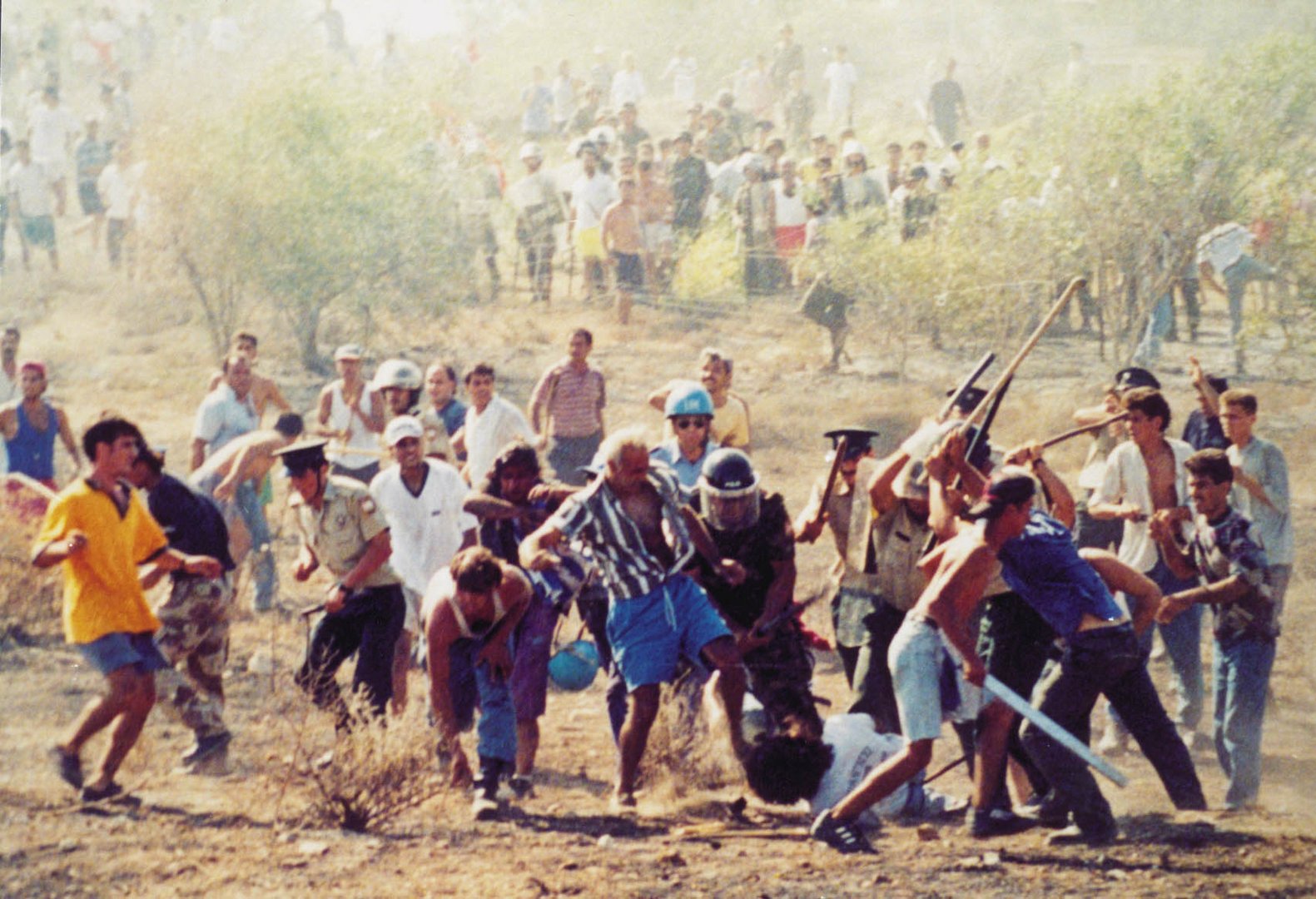
Arrest warrants remain in force for suspects wanted over the murders of Tassos Isaac and Solomos Solomou, including both past and present senior figures in the north’s administration.
According to an investigative report conducted by Sigma, some eight arrest warrants issued over Isaac’s murder remain active and are accompanied by Interpol red notices, which are renewed every five years.
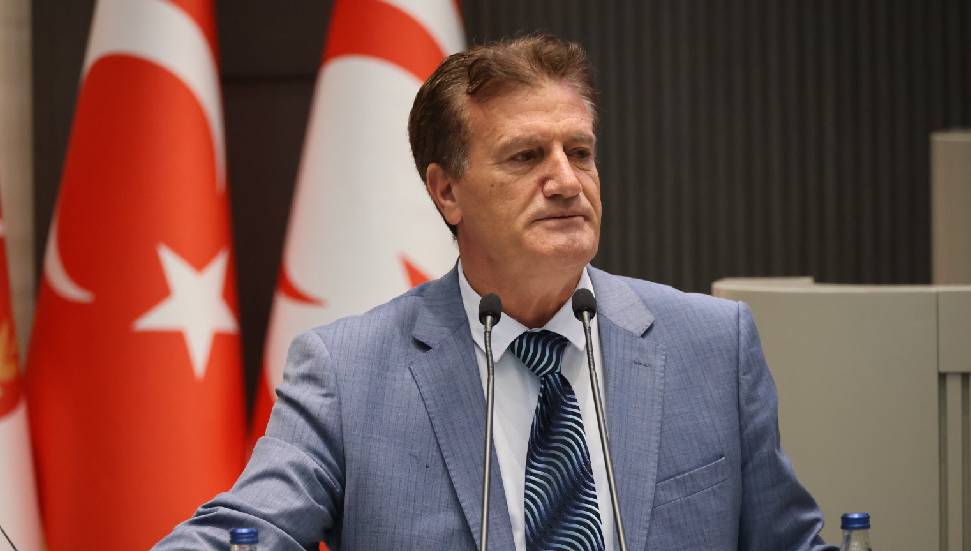
Among those named are Hasim Yilmaz, a former Turkish intelligence official, Mehmet Mustafa Arslan, identified in the report as a senior figure in the Grey Wolves, and Turkish settler Erhan Arikli, the current ‘transport minister’ in the north.
The original warrants for Isaac’s murder, issued in 1996, were cancelled in 2013 for procedural reasons and replaced by eight new warrants issued by the Famagusta district court.
The investigation also found that five warrants were initially issued over Solomou’s murder, although Interpol red notices were secured for only two suspects.
The remaining three requests were rejected because investigators had not provided sufficient evidence, according to police authorities.
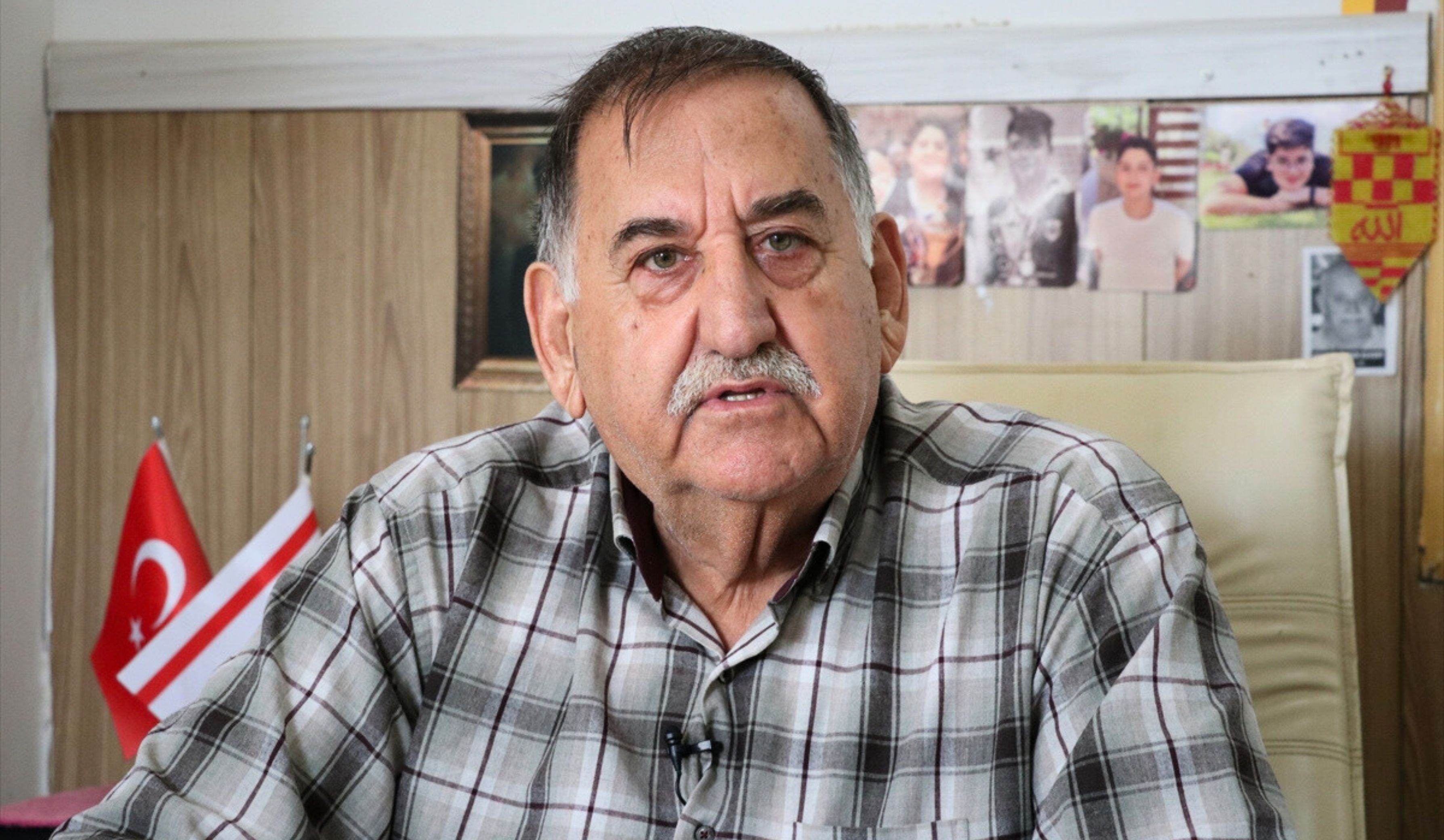
The two suspects currently subject to red notices in the Solomou case are Kenan Akin, a former ‘agriculture minister’ who served in Dervis Eroglu’s cabinet, and Erdal Haciyali Emanet, a former commander of its special forces.
According to the report, European arrest warrants are also in force against them.
Arikli’s case has drawn attention to the difficulty of enforcing the warrants, for he was arrested in Kyrgyzstan in 2012 but was released after Turkey intervened and he was not extradited to the Republic.
He also travelled unhindered to Tunisia in 2017 without being arrested.
Isaac, 24, was beaten to death after becoming trapped in barbed wire in the UN buffer zone at Deryneia during an anti-occupation demonstration in August 1996.
Three days later, 26-year-old Solomou was shot dead after climbing a flagpole at a Turkish military position in an attempt to remove a Turkish flag.
The European Court of Human Rights (ECHR) ruled in 2008 that Turkey was internationally responsible for violations of the right to life in connection with the killings, yet crucially the ruling did not remove the individual criminal responsibility of those involved.
The investigation comes as the 30th anniversary of the killings is being marked, with the families continuing to call for the suspects to face justice.





Click here to change your cookie preferences