
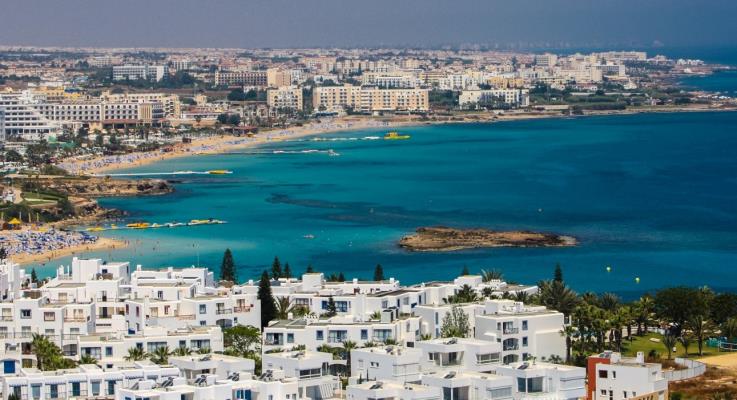
Hotel occupancy in the Famagusta district is expected to reach between 80 and 85 per cent in August, as the tourism sector recovers from a difficult start to the season, according to Famagusta hoteliers association president Panayiotis Constantinou.
Speaking to the Cyprus News Agency (CNA), Constantinou said tourist traffic had improved significantly during July and August, following the losses recorded in the opening months of the season.
“The situation has now changed,” Constantinou said, adding that the district’s main tourism markets were performing at fairly good levels.
Demand was being driven mainly by visitors from the United Kingdom, Israel, Poland, Scandinavia and Central Europe.
By contrast, tourist traffic from Switzerland and the Netherlands had weakened, largely because of fewer flights during the summer season.
Meanwhile, the outlook for September was also encouraging, although Constantinou cautioned that “there is still ground to be covered”.
As in other parts of Cyprus, last-minute bookings have become a defining feature of the season, making it harder for hotels to forecast occupancy further ahead.
Constantinou linked the trend partly to developments in the Middle East and said September could still record fairly strong occupancy if bookings continued at their current pace.
The picture for October remained less certain, with Constantinou noting that it was too early to make a reliable prediction. Hotel capacity was still available, while businesses were hoping that reservations would continue to come in and deliver good, or at least tolerable, occupancy.
At the same time, some of the district’s larger hotels were considering extending their operations into November.
Although the option would not be viable for every property, Constantinou said the larger and more important units had shown interest in remaining open longer to help offset losses from the beginning of the season.
The improvement in occupancy has also begun to support hotel revenues. According to Constantinou, the difficult opening months left a gap in revenue up to June, but earnings during July and August were estimated to be broadly in line with 2025 levels.
August revenue could even exceed last year’s figure, he added, as hotels were recording higher prices during the peak holiday period.
Nevertheless, Constantinou warned that stronger room rates would not necessarily translate into an equivalent improvement in profitability, given the rise in hotels’ operating expenses.
“The increased prices in fuel and energy are expected to have an impact on the final results of hotel units,” Constantinou said.
Based on the current picture, the Famagusta hoteliers association expects the season to end with an overall decline in revenue of between 8 and 10 per cent.
One particularly welcome development, however, has been the stronger presence of Cypriot holidaymakers.
Constantinou said domestic visitors had shown greater interest in spending their holidays in the Famagusta district this year, with their presence more noticeable across the region.
The increase had been particularly pleasing for the hotel industry, he added, offering another source of demand as businesses sought to recover from the losses recorded earlier in the year.



Click here to change your cookie preferences