
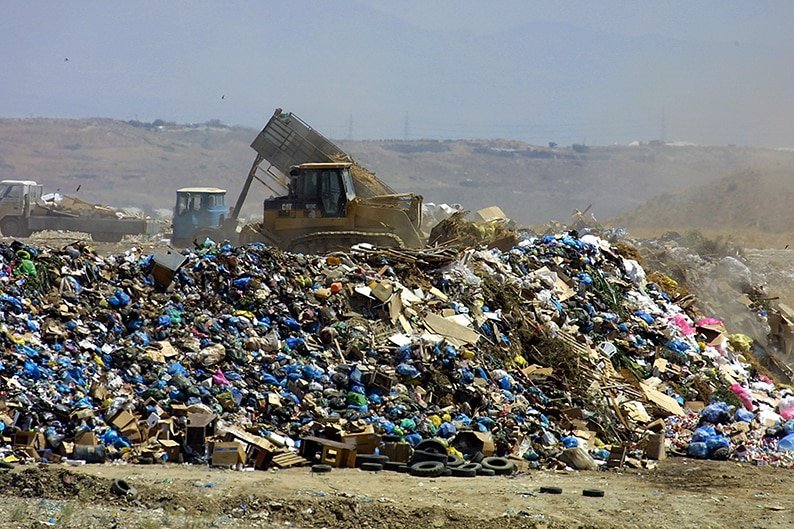
A new framework aimed at ending the uncontrolled dumping and burning of agricultural plastics shall head to the House, with farmers set to receive free collection points for waste.
The regulations seek to establish a nationwide system for the separate collection and recycling of agricultural plastic waste, with producers required to cover the costs of both collection and transport.
The House environment committee is examining the bill before it is brought before the plenary for a vote.
The framework was approved by the cabinet in July 2024 and submitted to parliament in October of that year.
The proposed rules cover a wide range of agricultural plastics, including greenhouse coverings, ground covers, nets, and plastics used for silos.
Farmers would be required to separate the material and deliver it free of charge to designated collection points.
Collective management systems would have 12 months from the regulations coming into force to organise and operate collection.
They would then be responsible for transporting the waste to treatment facilities.
The costs would be borne by producers of agricultural plastic products under an extended responsibility system.
Distributors would also be required to accept waste for delivery to the relevant scheme.
The regulations are intended to address the environmental and public health effects of uncontrolled agricultural plastic waste.
Burning or dumping such material pollutes both soil and water as well as contributes to greenhouse gas emissions.
An impact assessment by the environment department found that the new system would create additional costs for businesses producing or importing agricultural plastics but would also reduce environmental damage and public spending on clearing illegally dumped waste.
The proposed system follows several years of consultation between government departments, producers, importers and waste managers.
A public consultation on draft regulations was held between July and October 2021, following discussions among stakeholders that began in 2017.
Agricultural plastic packaging is crucially excluded from the new framework and remains subject to existing packaging waste legislation.





Click here to change your cookie preferences