
Little Joe founder Sam Ashby comes to the festival with archival films and a mission to uncover the overlooked stories, people and materials of queer cinema
There is something wonderfully personal about the way Sam Ashby talks about films. For him, cinema is not simply about watching a movie and moving on. It is about digging around, finding what has been forgotten and asking why some stories survive while others quietly disappear.
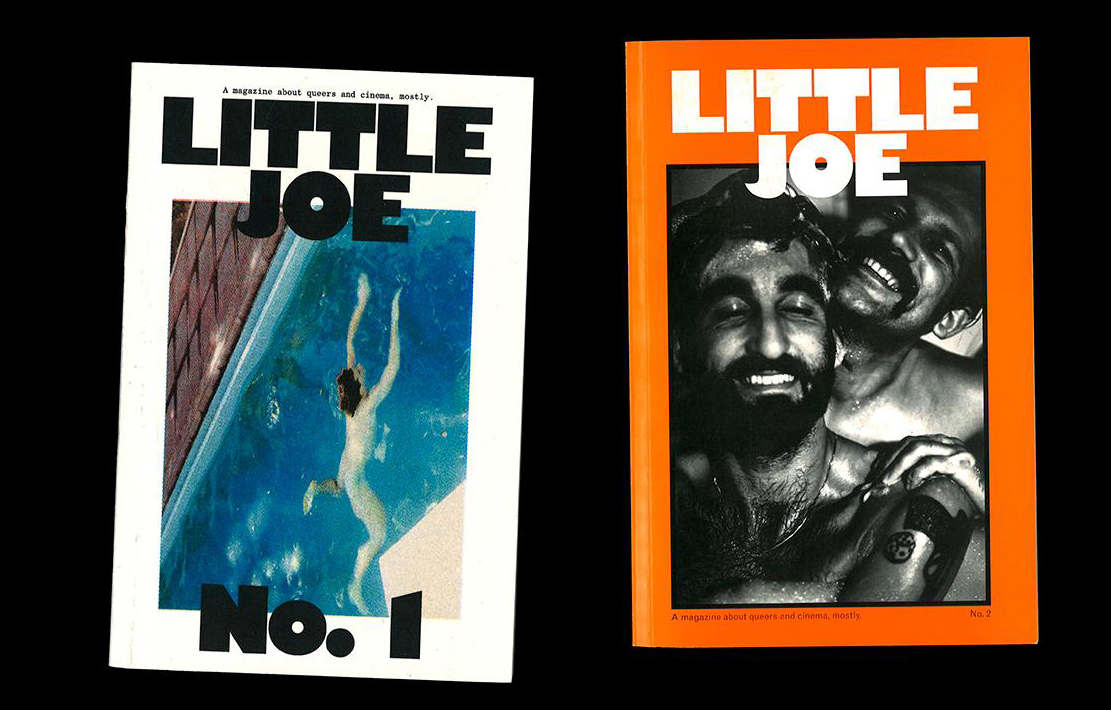
That curiosity led him to create Little Joe, the cult queer film zine that began in the late 2000s and became a much-loved publication for people interested in the stranger, overlooked corners of cinema.
Ashby will bring that work to Cyprus this month as part of Queer Wave 2026. Tonight he will present Libidinal Archives, a selection of archival and research-based short films, an evening after introducing the German film City of Lost Souls through his Little Joe alter ego.
It started with Little Joe
Little Joe began life from a DVD when, in the 2000s, Ashby came across Andy Warhol and Paul Morrissey’s Flesh, made in 1968. He watched it with friends and was struck by the film and its star, Joe Dallesandro, known as Little Joe.
At the time there was no Instagram or Letterboxd and far less attention was paid to underground cinema.
Queer cinema was even further from the centre of film culture. “I couldn’t fathom why I’d never seen this incredible film, or its star Little Joe Dallesandro, before,” he says.
Ashby wanted to explore films on the edges of mainstream culture and look at the stories behind them.
“So many of the films we celebrate in Little Joe exist at the margins of taste and style,” he says.
“I’m more interested in the stories of how they got made, or what they mean to queer viewers specifically,” he added.
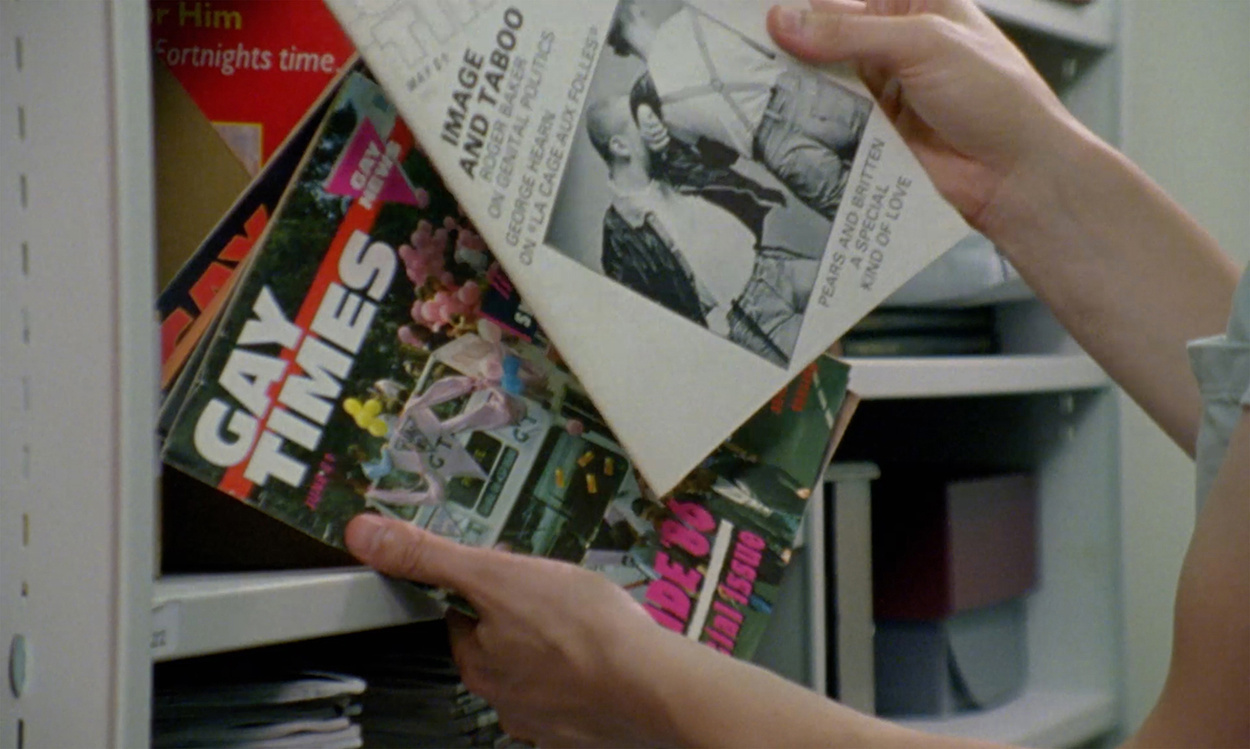
Little Joe has changed considerably since those early days. The handmade zine has become a larger journal, although Ashby says it never lost its cheeky personality.
From zine to archive
Ashby believes queer film history has survived because individuals decided that something was worth keeping. A photograph, flyer, film print, VHS tape or box of personal belongings can become incredibly important many years later.
“Queer stories have so often depended on individuals rather than institutions,” he says. When those people disappear, the material can disappear with them.
“It’s rarely about the importance of the work,” he says. “It’s about who happened to be around to protect it.”
That last question is particularly important to him, and is an idea runs through Libidinal Archives. “The subjects are all quite different,” he says, “but each film treats the archive as something alive rather than static.”
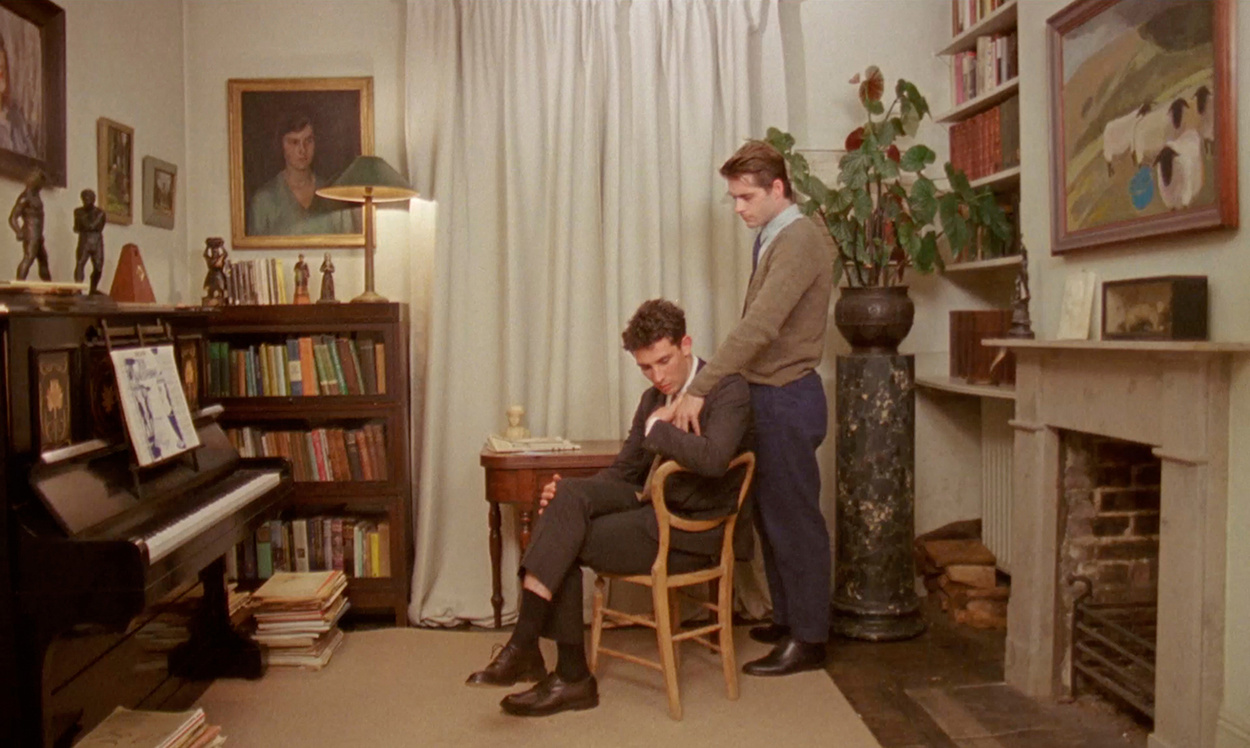
One discovery remains close to him. While researching at the Hall Carpenter Archives, he came across Elizabeth Montagu’s unfilmed 1964 script that became The Colour of His Hair.
City of Lost Souls
Ashby’s first appearance at this year’s Queer Wave centred on City of Lost Souls, first recommended by his friend, film programmer and writer Bradford Nordeen, who also wrote an essay for Little Joe about it.
For Ashby, the film offers a glimpse into a particular moment in Berlin, when outsiders were creating their own communities and ways of living.
He sees it as especially relevant now. “It’s an incredible window into a time when a sense of freedom was afforded to trans people that is now at risk again in so many places,” he says.
The film presents queer and trans life as performance, friendship, joy and chosen family.
Why print still matters
It might seem strange that someone so interested in film history would choose to preserve so much of it in print. Ashby describes Little Joe as almost an anti-internet project.
He wanted people to share long-form writing among friends and lovers, much as queer communities had shared information before the internet became part of everyday life.
He felt something was being lost as everything moved online. “Print can also preserve touch, smell, and a sense of focus that the internet can’t,” he says.
Looking back at everything for the book also made Ashby realise how incomplete his own version of queer film history was. “Little Joe was only ever a partial history,” he says.
For Ashby, knowing queer history is not an academic exercise. He grew up in the shadow of AIDS and describes discovering how many queer elders had been lost as devastating.
Exploring film history became one way of reconnecting with generations from whom he felt separated.
He sees that connection as important for younger queer people too. Social media platforms and film communities now offer younger audiences access to an enormous amount of queer cinema.
Ashby hopes Little Joe can encourage them to go further and look offline as well. “We’re born into families that don’t understand us, and we inherit structures that don’t suit us,” he says.
“Connecting to our past, discovering we’re part of something collective, on a continuum, is incredibly powerful.” That is why he believes preserving queer history matters particularly in the current climate.
“It is more vital than ever.”


Click here to change your cookie preferences