
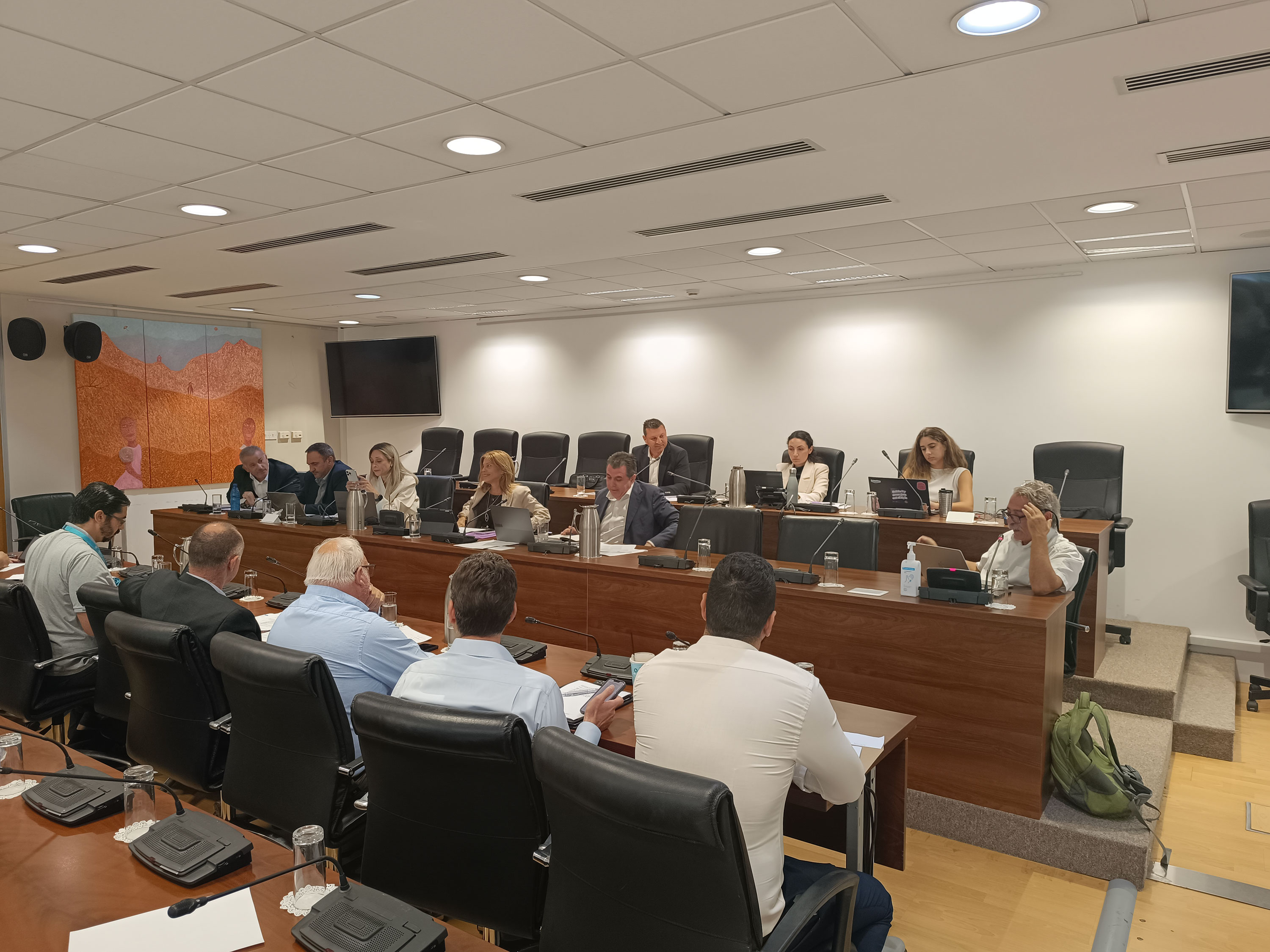
Changes to the way personal doctors are paid, the introduction of new quality criteria and the number of patients each doctor can register came under scrutiny in parliament on Thursday, as MPs examined weaknesses and distortions in the national health scheme (Gesy).
The House health committee focused heavily on the role of personal doctors, with concerns raised over patient lists of up to 2,500 people, differences in doctors’ training and whether the current system provides sufficient incentives for quality primary care.
Health Insurance Organisation (HIO) representative Petros Neophytou said the organisation plans to change the remuneration model for personal doctors in 2027, moving from the current 80-20 arrangement to a 70-30 model, increasing the element of remuneration linked to performance.
The HIO is also introducing quality criteria and reassessing performance indicators, he said.
Neophytou acknowledged that doctors with different levels of training had been admitted to the personal doctor system when Gesy was introduced.
“Some doctors without a specialisation were also included in the group of personal doctors,” he said, adding that “this distortion has an expiry date”.
He nevertheless said the majority of personal doctors were doing a “fairly good job” and stressed that patients were free to change their personal doctor.
According to Pancyprian Medical Association representative Andreas Ioannou, Gesy currently has 640 personal doctors, including 150 specialist physicians, 150 general practitioners and 80 doctors from other specialties.
“There is inequality in the training of personal doctors,” Ioannou said. “Not all doctors have the same knowledge, but they are called upon to do the same job.”
He said around 170 doctors currently have approximately 2,500 patients each.
The size of those lists prompted Disy MP and acting committee chairman Charalambos Pazaros to announce after the meeting that he intends to submit legislation addressing the maximum number of patients a personal doctor can register.
“No one can deal with 2,500 patients,” he said.
The role of personal doctors as the first point of contact within Gesy was another central issue.
Patients’ association Osak said the personal doctor was critical to the success of Gesy and called for the institution to be upgraded, with doctors developing a genuine relationship with patients and guiding them on prevention.
Pasiki president Sotiris Koumas similarly described personal doctors as a cornerstone of Gesy, but warned that doctors were being pushed towards the private sector and that public hospitals and accident and emergency departments were being “stripped” of staff.
The discussion followed a World Health Organisation study on Gesy, commissioned by the HIO.
A health ministry representative told MPs that the report did not document abuse of the system, but made recommendations for improvements. The finance ministry said it supported the WHO recommendation for a mixed remuneration model for personal doctors and its further expansion.


Click here to change your cookie preferences