
Cyprus’ Research and Innovation Foundation (RIF) has more than tripled the number of EU state aid provisions it uses to fund research and innovation, expanding from three key articles in 2016 to ten today, officials said this week.
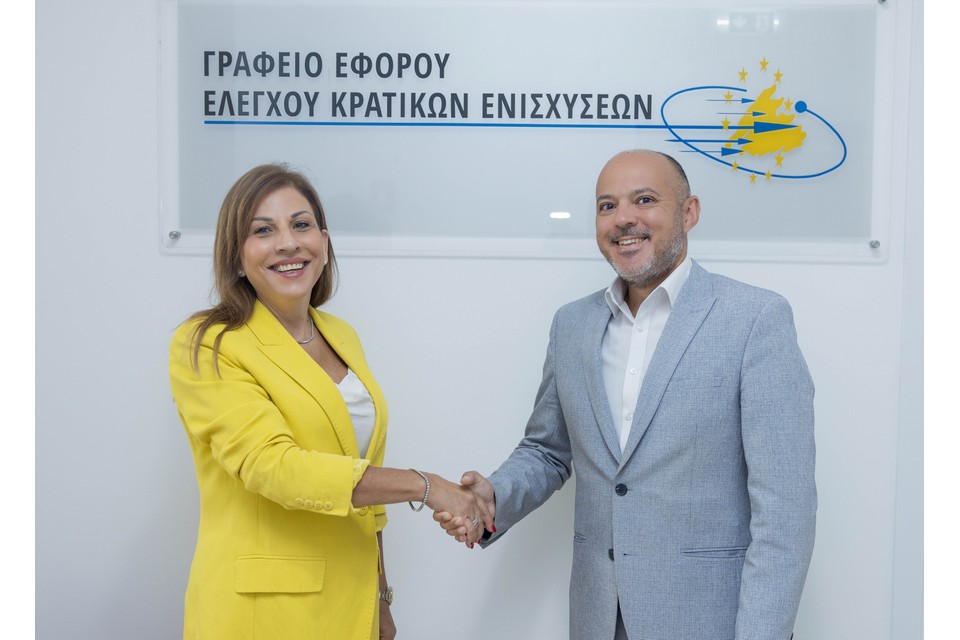
The development was emphasised during a meeting between State Aid Control Commissioner Stella Michaelidou and RIF director general Theodoros Loukaidis, as the two bodies discussed the design of funding schemes and changes to the EU’s General Block Exemption Regulation (GBER).
According to the official announcement, RIF relied on just three main GBER articles in 2016 when launching funding programmes.
It now uses ten different provisions, extending support beyond conventional research projects to areas including research infrastructure, process and organisational innovation, professional training, innovation clusters, investment and regional aid, and companies participating in international exhibitions.
The GBER allows EU member states to grant certain categories of state aid without first securing individual approval from the European Commission, provided the measures meet specified conditions. This is intended to allow aid to be deployed more quickly while limiting distortions of competition in the single market.
Michaelidou said “cooperation between her office and RIF covered all stages of the preparation of funding schemes”, describing the foundation as a model in its use of the GBER for state aid measures.
She also stressed that “involving the State Aid Control Office at the initial stage of designing a scheme could help prevent delays and ensure that measures comply with EU state aid rules.”
The meeting also covered technical aspects of the GBER currently under revision, particularly provisions relating to research and innovation.
The European Commission launched a consultation on a draft replacement GBER in February, seeking to simplify the framework, reduce administrative burdens and adapt the rules to technological and market developments. The consultation closed on April 23, while member states discussed a revised draft at an advisory committee meeting earlier this month.
Meanwhile, Loukaidis described the State Aid Control Office as “one of RIF’s most important partners in its efforts to strengthen Cyprus’ research, technological development and innovation ecosystem.”
He emphasised the office’s expertise, response times and cooperation with RIF, saying these had contributed to the effective implementation of the foundation’s interventions.
Beyond grant schemes, RIF has also widened its support tools through initiatives including the Central Knowledge Transfer Office and blended-finance structures designed to attract private investment and support the commercialisation of research and innovation.
The two bodies said they would also seek closer knowledge-sharing between their staff to improve the design and implementation of future state aid measures supporting Cyprus’ research and innovation economy.








Click here to change your cookie preferences