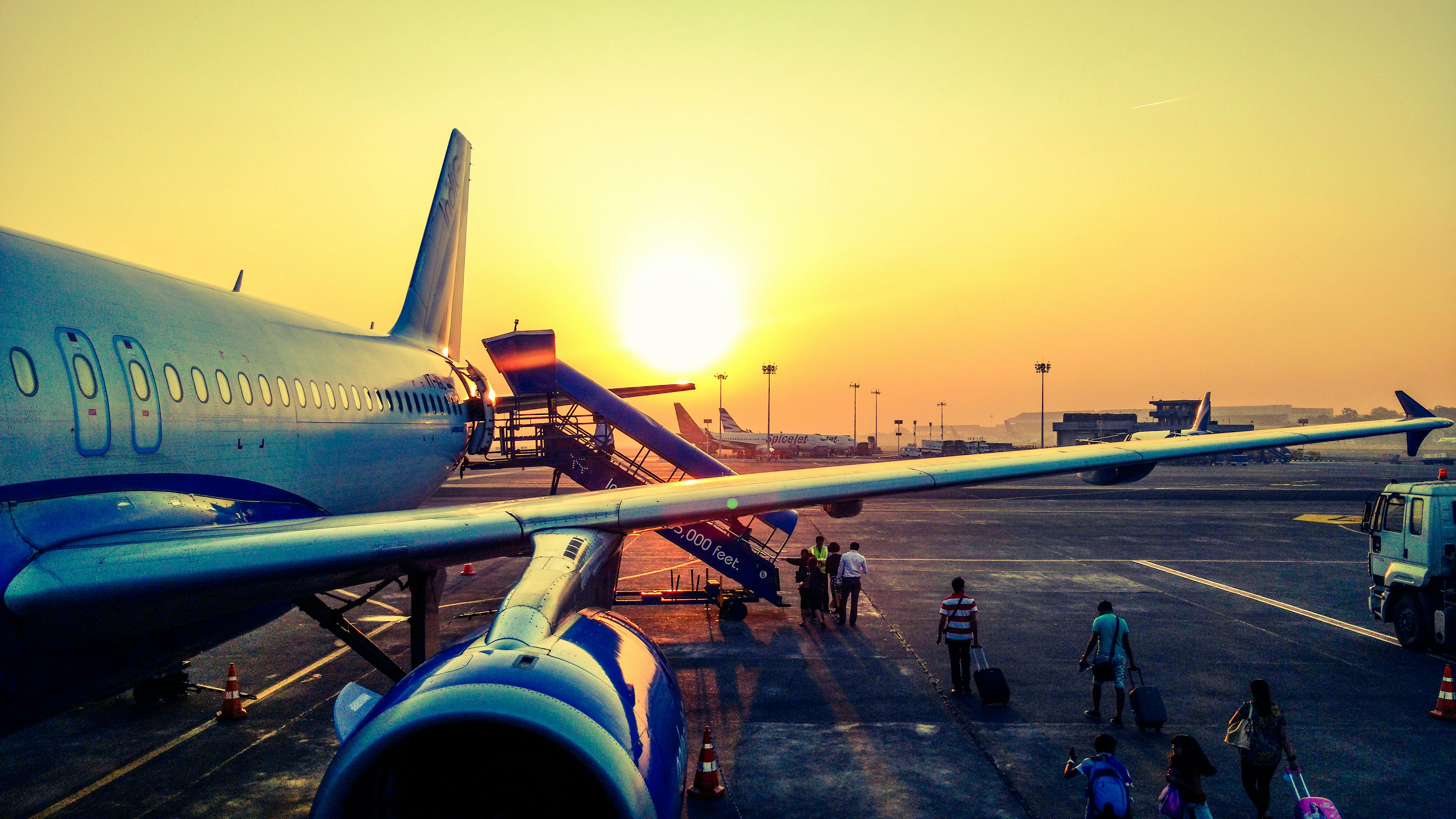
Around 80 per cent of dangerous goods incidents reported to IATA in the first half of 2025 involved undeclared or hidden hazardous goods, prompting the airline industry body to call for tighter controls across the entire air cargo supply chain.
The International Air Transport Association (IATA) said existing aviation security screening remained an important safeguard, but warned that it was not designed to identify the full range of dangerous goods entering air freight undeclared or incorrectly declared.
The warning was issued in Budapest, where IATA’s Cargo Experts Conference was held on September 23 and 24, bringing together industry specialists to discuss cargo operations, digitalisation, safety and security.
Among the dangerous goods most commonly found undeclared were lithium batteries, e-cigarettes and aerosols, according to IATA.
“Dangerous goods are transported safely by air every day. The risk comes when they enter the system undeclared or incorrectly declared,” IATA Global Head of Cargo Brendan Sullivan said.
He added that every part of the supply chain had a role to play in identifying such cargo before it reached an aircraft.
“Security screening, which is primarily focused on terror threats, is one layer of protection against rogue shippers, but it is not a complete solution,” Sullivan said, calling instead for a multi-layered approach beginning as far upstream in the supply chain as possible.
Current cargo security screening systems were developed primarily to detect explosives and other security threats, rather than the full spectrum of hazardous materials that can pose a safety risk during air transport.
IATA said established Dangerous Goods Regulations already provide a framework for transporting such goods safely, but problems arise when products enter the system outside those controls.
The association has repeatedly highlighted undeclared dangerous goods, particularly lithium batteries, as one of the safety challenges facing modern air cargo supply chains. Earlier this year, it called for international rules to be modernised to reflect increasingly digital and fast-moving supply chains and emerging risks linked to battery misuse.
Its latest white paper, Safety and Security in the Cargo Supply Chain, calls for governments to strengthen oversight and enforcement, while manufacturers and online marketplaces should ensure products containing dangerous goods are properly identified, certified where necessary and accompanied by accurate information.
At the same time, IATA wants shippers, freight forwarders and postal operators to improve training and cargo acceptance checks and make better use of customer and shipment data to identify higher-risk consignments before they reach airports.
Airlines and ground handlers should strengthen checks before cargo is loaded, while airports should improve coordination and information sharing between companies operating across the cargo chain.
The issue has also been reflected in IATA’s updated 2027 cargo and ground operations manuals, which include revised requirements covering spare batteries, power banks, lithium battery-powered mobility aids and hybrid batteries containing lithium-ion and sodium-ion cells.
IATA represents more than 370 airlines accounting for around 85 per cent of global air traffic.




Click here to change your cookie preferences