
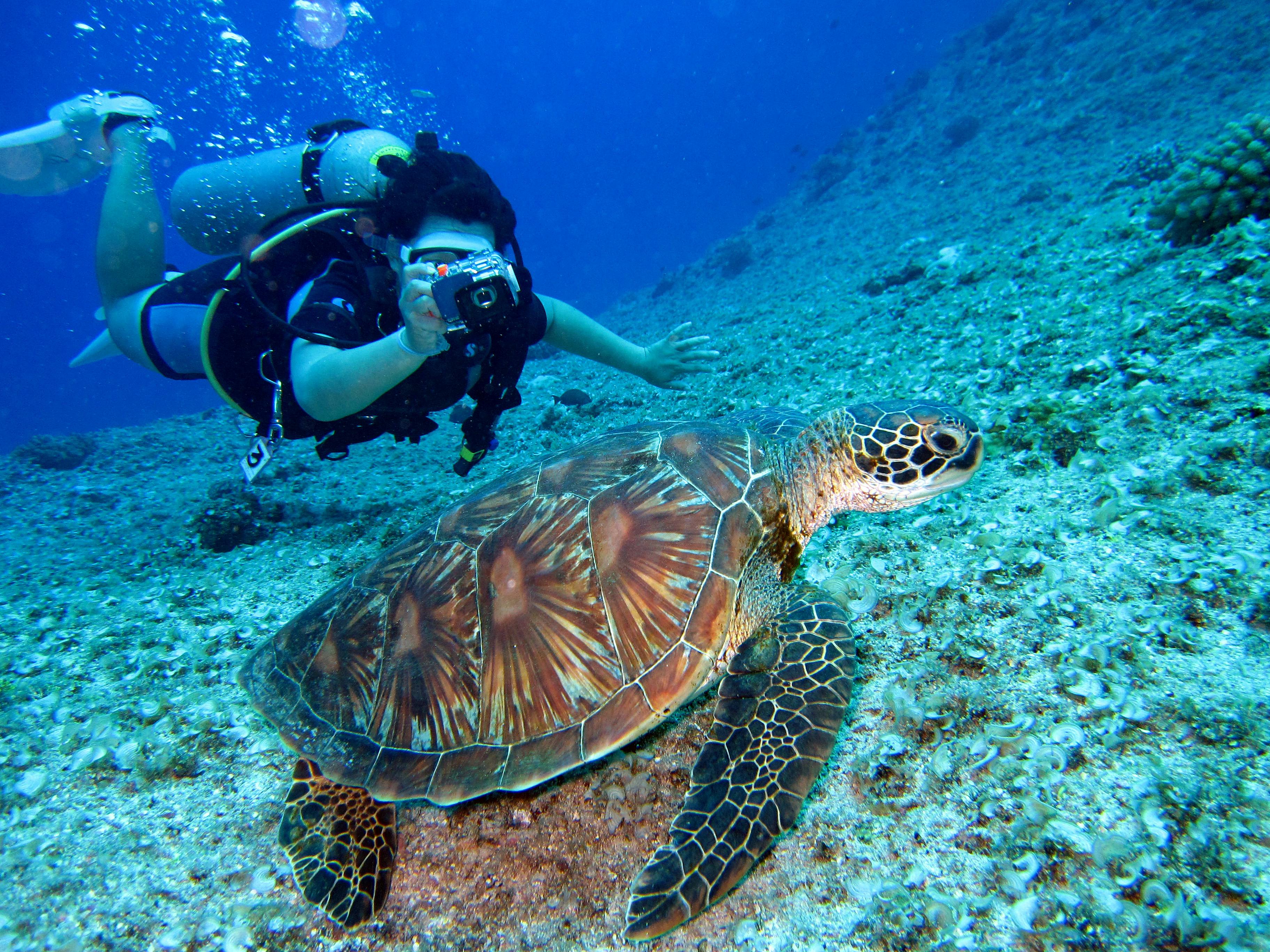
Cyprus is moving to strengthen infrastructure, regulation and environmental standards as part of a new strategy to turn diving tourism into a core pillar of its tourism offering, according to a specialised study prepared by the Cyprus Marine and Maritime Institute (CMMI) for the Deputy Ministry of Tourism.
The study was presented in Limassol, where Deputy Tourism Minister Costas Koumis noted, through remarks delivered by the ministry’s new director general, Neophytos Papadopoulos, that diving tourism offers “significant room for development”, which the CMMI study also confirms.
He said the technical study will act as a starting point for preparatory actions, “which will serve as a springboard to highlight Cyprus as a leading force in diving tourism in the Mediterranean”.
As the study outlines real data, scientific knowledge and the sector’s development prospects, Koumis said the Deputy Ministry is placing particular emphasis on specialised forms of tourism, which are gaining ground globally as visitors increasingly seek experiences that are competitive and sustainable.
Diving, he added, attracts travellers who tend to stay longer, travel more frequently and spend more per day than the industry average.
Citing international market trends, he said global diving tourism revenues stand at 9.6 billion dollars for 2024, with estimates for 2025 pointing to an increase to 112 billion dollars.
With annual growth rates expected at 5.2 per cent in the coming years, the sector’s share of global tourism revenue is forecast to rise from 3 per cent today to 6 per cent.
Against this backdrop, he stressed that “our goal is to transform diving tourism into one of the strongest pillars of Cypriot tourism”, noting that both short-term and long-term policies are already being rolled out.
A key element is the new bill on diving tourism, which establishes a national operating framework for the first time.
By defining minimum conditions and the requirements for licensing diving service providers, the ministry aims to close a long-standing legislative gap.
The framework also introduces compliance with national standard CYS EN ISO 24803, along with a register of licensed operators, steps intended to safeguard quality and reinforce Cyprus’ image as a safe, environmentally responsible destination.
Furthermore, Koumis recalled that Cyprus, working with the CMMI, has completed the three-dimensional digital recording of 43 diving sites so visitors can explore locations virtually before choosing a destination.
At the same time, infrastructure upgrades are being advanced through a grant scheme to enhance diving sites across the island.
He added that targeted international promotion is under way, both through specialised exhibitions and through hosting professionals from key markets, further supporting the aim of positioning Cyprus as a year-round diving destination with internationally recognised sites.
Presenting the research findings, Louis Hadjioannou said 69 diving sites were documented across Cyprus, 24 reachable from the coast and 45 by boat, with the Zenobia shipwreck remaining the most popular.
Hadjiioannou noted that 86 diving centres operate nationwide, including two dedicated exclusively to freediving.
He also referenced Malta as Cyprus’ main competitor in the sector, though he pointed out that Cyprus’ advantage lies in offering a wider range of tourist activities beyond diving.
The institute’s proposals include enhancements to coastal diving sites such as installing stairs, railings, pergolas, roofs, toilets, changing facilities, waste bins, pathways, improved road access, detailed signage and cameras.
For boat-accessible sites, the study suggests placing buoys, developing and managing anchorages, assessing wreck integrity and regulating boat traffic.
Moreover, it proposes assigning responsibilities to a supervisory authority, introducing a national licence for diving centres and instructors, enforcing ISO compliance, restricting boat movements in key areas and monitoring marine protected zones.
Environmental sustainability measures also feature prominently, including the use of eco-friendly materials, reef clean-ups, waste-reduction practices and awareness campaigns targeting harmful habits, from feeding turtles to anchoring in Posidonia meadows.
Finally, the study calls for stronger promotion of Cyprus as a diving destination through printed and digital material, international exhibitions, partnerships with tour operators and cooperation with accommodation providers.

Click here to change your cookie preferences