
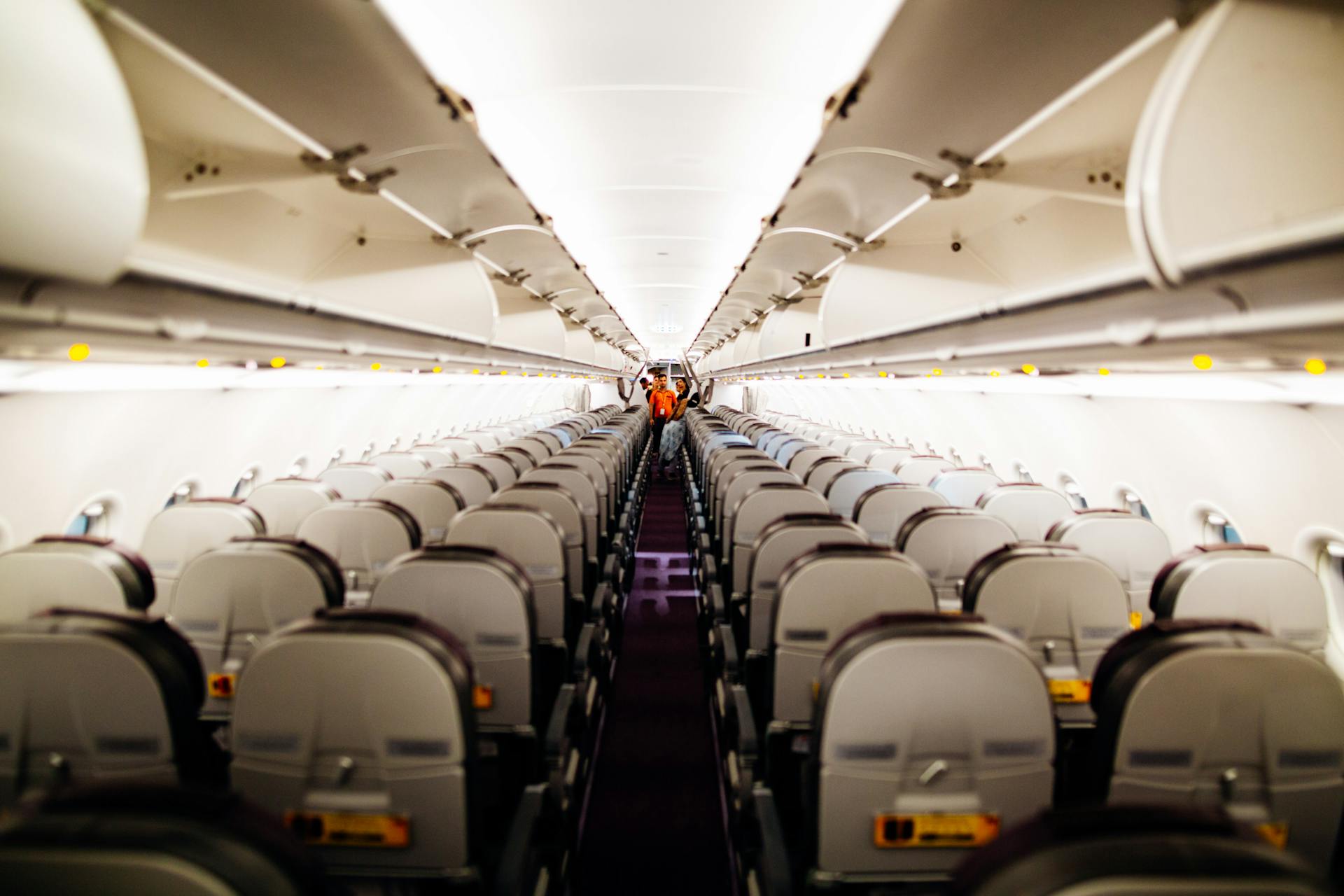
Air travel is gradually becoming more accessible as airlines, airports and regulators expand efforts to remove barriers faced by passengers with disabilities, according to the International Air Transport Association (IATA).
The shift reflects a wider recognition that disability inclusion is no longer optional.
With more than 1.3 billion people globally living with a disability, the World Health Organization (WHO) has estimated, a number rising as populations age, accessibility is increasingly viewed as a structural requirement for the future of aviation.
Momentum towards this goal strengthened after IATA members approved a resolution on passengers with disabilities at the 2019 Annual General Meeting, reaffirming that all travellers should experience safe, reliable and dignified air transport.
Although many states have taken steps under the UN Convention on the Rights of Persons with Disabilities, national rules still differ significantly.
Instead of creating a common foundation, many regulatory regimes focus largely on managing complaints within domestic systems.
As a result, the global picture remains fragmented, and because international aviation naturally spans several jurisdictions, inconsistencies translate into gaps in service, operational confusion and, at times, unfair treatment of passengers.
To move the discussion forward, IATA, ICAO and ACI organised an Accessibility Symposium in Montreal in December 2024.
The gathering served as a platform to encourage closer coordination between states and set the groundwork for a long-term strategy that treats accessibility as a shared global responsibility rather than an isolated national task.
One of the clearest challenges lies with passengers whose disabilities are not immediately visible.
Navigating busy terminals can be overwhelming for individuals with autism, dementia or sensory-processing conditions, yet these needs often go unnoticed.
Moreover, some passengers hesitate to disclose their condition out of fear it may limit their ability to travel.
Although sensory rooms and pre-travel guidance are becoming more common, IATA stresses the need for earlier communication, better staff awareness and more consistent assistance throughout the entire journey, not only at departure, but also during disruptions, which can be especially distressing for these passengers.
Wheelchairs and mobility devices remain a major pain point for travellers. When they are damaged, the consequences can be profound, as these aids are essential to independence and daily functioning.
The risks stem from several overlapping factors, since many mobility aids are exceptionally heavy or oversized, while airport layouts often force handlers to move them manually.
In addition, lithium-ion batteries come with strict safety requirements, and cargo holds on smaller aircraft simply cannot accommodate certain models.
Taken together, these constraints significantly increase the likelihood of damage and highlight why mobility aids remain one of the most challenging aspects of accessible air travel.
To address this, IATA has strengthened its guidelines, encouraging airlines and airports to improve information exchange at booking, enhance loading procedures, expand staff training and make better use of SSR and PNR codes. The organisation also recommends electronic mobility-aid tags to ensure that handlers have accurate technical information at every stage of the journey.
Even when the equipment itself is handled properly, communication failures can undermine the travel experience. Passengers are not always aware of the assistance available to them, while staff may apply special-service codes inconsistently, causing breakdowns in coordination between airports, airlines and travel agents.
Improved soft-skills training, clearer communication and more consistent use of assistance codes are viewed as essential steps towards providing a smoother and more predictable experience.
Another area where consistency is lacking concerns service dogs. Regulations vary considerably: some jurisdictions provide broad definitions, others none at all.
In practice, this leaves airlines to determine which animals qualify as genuine service dogs, creating avoidable disputes and confusion.
A unified global definition would limit acceptance to dogs specifically trained to perform tasks for passengers with disabilities, excluding emotional-support animals and all other species, a distinction that would provide clarity for all parties involved.
Calls to allow passengers who need an additional seat, either for themselves or for an accompanying person — to pay only for one have gained momentum in some regions.
However, airlines warn that such a rule could threaten route viability. With average profit margins of roughly $7 per passenger, absorbing the cost of extra seats could render certain flights unsustainable.
Because eligibility varies widely and lacks a global definition, a blanket rule would also create inconsistent obligations across jurisdictions. Industry groups therefore argue for proportionate, workable solutions that respect the principles of reasonable accommodation without undermining operational realities.
Wheelchair-assistance requests have surged dramatically in recent years. At major airports, demand has risen by around 30 per cent annually, driven not only by passengers with physical disabilities but also by travellers who feel uncomfortable navigating large terminals.
Airports, as the authorities responsible for these services, face mounting pressure to meet demand without compromising efficiency.
Encouraging passengers to declare assistance needs at the time of booking is seen as one of the most effective ways to improve planning and reduce delays.
Clear, accessible information remains a cornerstone of a smooth journey. Although many airlines have updated their websites, passengers with disabilities still report difficulty locating the details they need.
IATA therefore recommends that all accessibility information be reachable within one click from an airline’s homepage, supported by transparent eligibility criteria and reminders to request assistance as early as possible.
Such clarity is vital not only for passengers but also for operators seeking to coordinate support across airports and carriers.
Accessibility is also gaining importance across the broader tourism ecosystem. Through the UN Tourism Action Agenda 2030, efforts are under way to improve training, strengthen measurement systems and clarify the use of ISO standards for tour operators and travel agents.
This creates a more consistent environment for travellers as they move between different parts of the tourism chain.
IATA emphasises that accessibility will remain a central priority. The organisation plans to continue refining policy, updating standards and working with governments, airports and disability advocates to deliver safe, reliable and dignified travel for all.
As part of this effort, it is collaborating with ICAO on a long-term accessibility agenda designed to ensure that no traveller, and no country, is left behind.
Ultimately, the goal is to align passenger needs with operational constraints while maintaining safety as the industry’s leading concern, a balance that will shape the future of inclusive air travel.




Click here to change your cookie preferences