
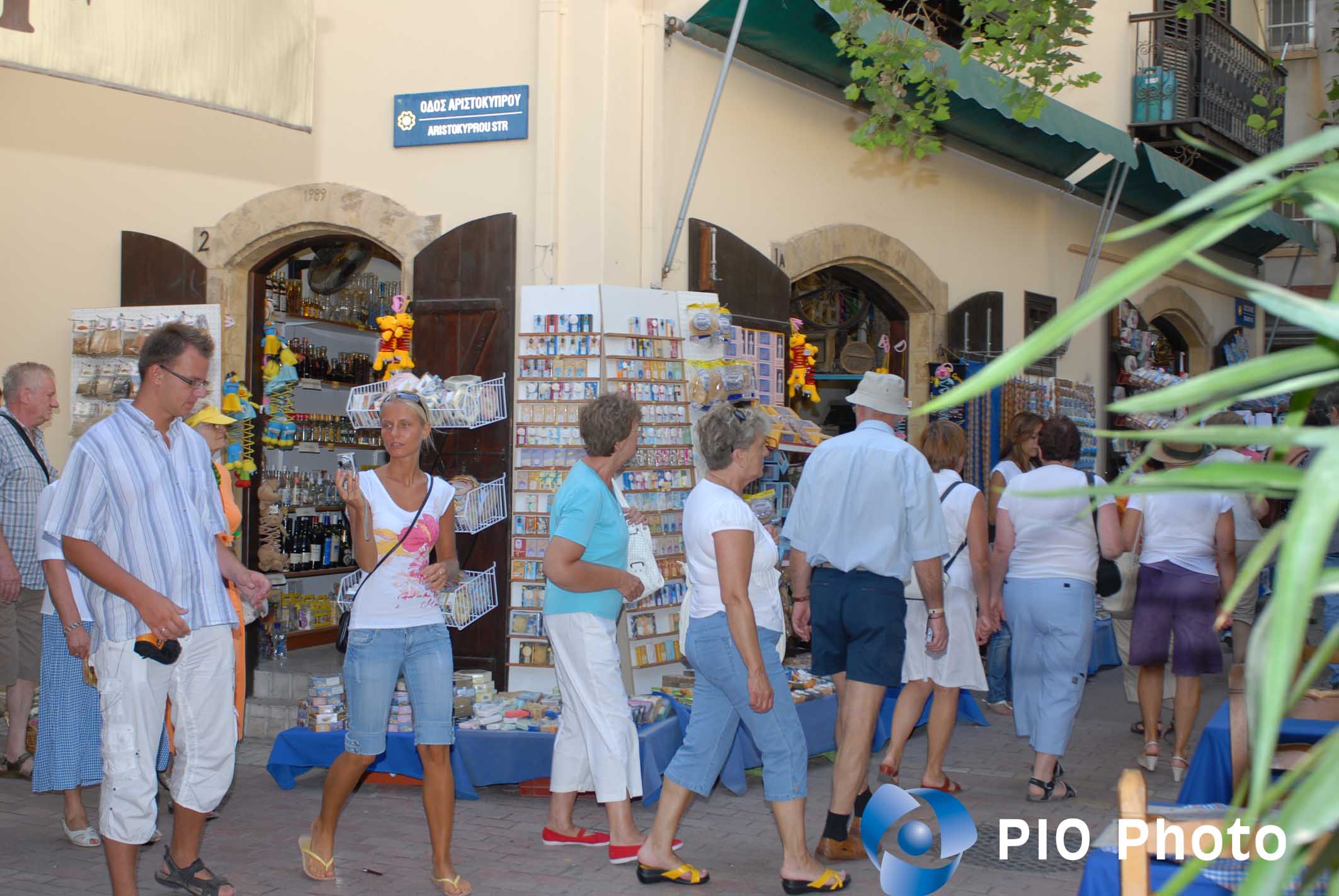
Cyprus is an easy and welcoming destination, but a little local knowledge goes a long way — especially for visitors looking to get beyond the beaches and truly experience island life. The notes below combine practical information, cultural norms, and key language tips to help visitors settle in quickly and enjoy their stay with confidence.
Handy information for tourists
Getting around
IMPORTANT: Cyprus, like a number of other former British colonies, Australia, India, South Africa, driving is on the left hand side of the road.
Getting around shapes how much of Cyprus visitors actually see. While resorts are easy to navigate, exploring villages, beaches, and mountain areas requires some understanding of local transport realities.
- Driving (Left hand drive): Cypriots drive confidently and are not too fussy about observing traffic rules. Horns are often conversational rather than aggressive. In villages, roads may narrow suddenly and parking is flexible rather than rigid. Car hire is common and affordable while road signage is in Greek and English.
- Public transport: Buses operate within and between towns, though services are less frequent in the evenings and on Sundays.
- Taxis: Widely available in towns; metered in cities, fixed rates often apply for intercity travel. Make sure your driver starts the meter once you are in the taxi. Reliable, but can be expensive over long distances,
Money and payments
- Currency: Euro (EUR).
- Cards vs cash: Cards are widely accepted, but small tavernas, bakeries, and village shops may prefer cash even though by law they are obliged to accept cards irrespective of the amount.
- Tipping: Not obligatory as most restaurants add a service charge to the bill. Rounding up or leaving 5–10% for good service is always appreciated.
Opening hours
- Shops: In tourist areas, and especially during the summer months (June-August), most shops open early (8.00am-9.00am) and stay open continuously until late (9.00pm), including Sundays. In city centres, shops and offices may close from 1.00pm to 4.00pm for what is known as a midday break (mesimvrini argia).
- Sunday trading: In tourist areas few shops will close on a Sunday while a number of shops and supermarkets remain open in non tourist areas as well.
- Banks and public services: Banks are open Monday through to Friday from 8.30am to 14.30. ATM machines are widely available and they are usually found outside bank branches. Public services work from Monday to Friday from 8.00pm to 3.00pm
Climate and dress
- Weather: Very hot, dry summers; mild winters. Evenings can be cool, particularly in the mountains.
- Clothing: Casual is fine wherever you go, but modest dress is expected in churches and monasteries.
Customs and traditions that may affect your stay
Time and pace
Cyprus operates at a relaxed pace, especially outside the main cities. Service may feel slower than visitors are used to, but it is rarely inefficient—patience is part of the local rhythm.
Hospitality culture
Guests are treated warmly. It is common to be offered coffee, sweets, or fruit, even in non-commercial settings. Accepting, even briefly, is considered polite.
Social etiquette
- Greetings: A handshake is standard; friends may greet with a kiss on both cheeks.
- Personal space: Conversations can feel close and animated—this is normal and friendly.
- Invitations: If invited to a home, bringing a small gift (sweets, wine) is customary.
Religious observance
The Greek Orthodox Church plays a visible role in daily life.
- Church bells, feast days, and fasting periods are part of the calendar.
- During major holidays (especially Easter), some services and businesses may close or operate on reduced hours.
Smoking
Smoking is officially banned indoors, but enforcement can be inconsistent. Almost all venues allow smoking outdoors.
Useful words and phrases to know
English is widely spoken, but a few Greek words are always appreciated.
Basic courtesies
- Kalimera – Good morning
- Kalinikta – Good evening
- Yia sas – Hello / Goodbye (formal or plural)
- Yia sou – Hello / Goodbye (informal or singular)
- Efharistó – Thank you
- Parakaló – Please / You’re welcome
- Signómi – Sorry / Excuse me
Getting around
- Pou íne…? – Where is…?
- Poso káni? – How much is it?
- Aristerá / Dexiá – Left / Right
Food and drink
- Mezédes – meze
- Avga – Eggs
- Kotópoullo – Chicken
- Kréas – Meat
- Neró – Water
- Kafés – Coffee
- Krasi – Wine
- Mbirra – Beer
- Anapsixtikó – Soft drink
- Estiatorio – Restaurant
- Logariasmó, parakaló – The bill, please
Helpful to know
- Avrio/Símera – Tomorrow/today
- Anoiktá / Klistá – Open / Closed
- Eísodos / Éxodos – Entrance / Exit
- Apagorévetai – Forbidden
- Voithia – Help
- Giatros – Doctor
- Farmakio – Pharmacy
- Then Katalaveno – I don’t understand
A final tip
Cyprus rewards visitors who slow down, engage, and adapt to local habits. A friendly greeting, patience with timing, and a willingness to try local food and customs will almost always be met with warmth in return.
Whether you’re here for beaches, history, food, or festivals, a little cultural awareness will make your holiday smoother—and far more memorable.
To explore more
Essential tips, customs, and useful words for Cyprus visitors
Paphos: Where myth, history and the sea meet
Aphrodite’s Rock: The heart of Cyprus’ coastal magic
Nicosia: Inside Europe’s last divided capital
From flamingos to Finikoudes: Fall in love with Larnaca
Limassol: The Mediterranean city that has it all
Protaras – Cyprus’s family-friendly coastal gem
Ayia Napa: Cyprus’s sun-drenched blend of buzz and beauty
Best beaches in Cyprus – From golden sands to hidden coves
Cyprus, but cooler: Why Troodos is the island’s best-kept secret
Omodos: A timeless mountain village in the heart of Cyprus
Unearthing Cyprus: Walking through 10,000 years of history
UNESCO world heritage sites in Cyprus: What to see, why they matter, and how to visit
A guide to Nicosia’s modern retail landscape
Traditional Cypriot dishes: A guide to the most popular foods in Cyprus
What is the best time to visit Cyprus?
Moving to Cyprus: A guide to the pros and cons
Where to live in Cyprus? A guide to each major city (pros & cons)
Understanding Cyprus’ time zone and how it compares with Europe, the UK, and the US



Click here to change your cookie preferences