
A walk through the exhibition of 50 local artists marking the island’s presidency of the Council of the EU
The old town of Nicosia is quiet on a cloudy weekday morning. I step over some puddles, pass some small yellow flowers and head to the newly renamed Museum of Modern and Contemporary Art (SPEL building), where the exhibition Agropoetics: soils ⁄bodies is now on.
Part of Cyprus’ EU Presidency cultural programme, the exhibition runs until June 30 and features different approaches to the subject of landscape.
“This exhibition is about our relationship with the Cypriot landscape,” says curator Dr Elena Parpa leading me around the museum, “the land and the place and how this relationship between humans and nature is translated and connected with images, symbols and becomes art.”
The exhibition brings together historical and contemporary artists with works from state, municipal and private collections, as well as more recently-made pieces including paintings, textiles, ceramics, photography, text and video.
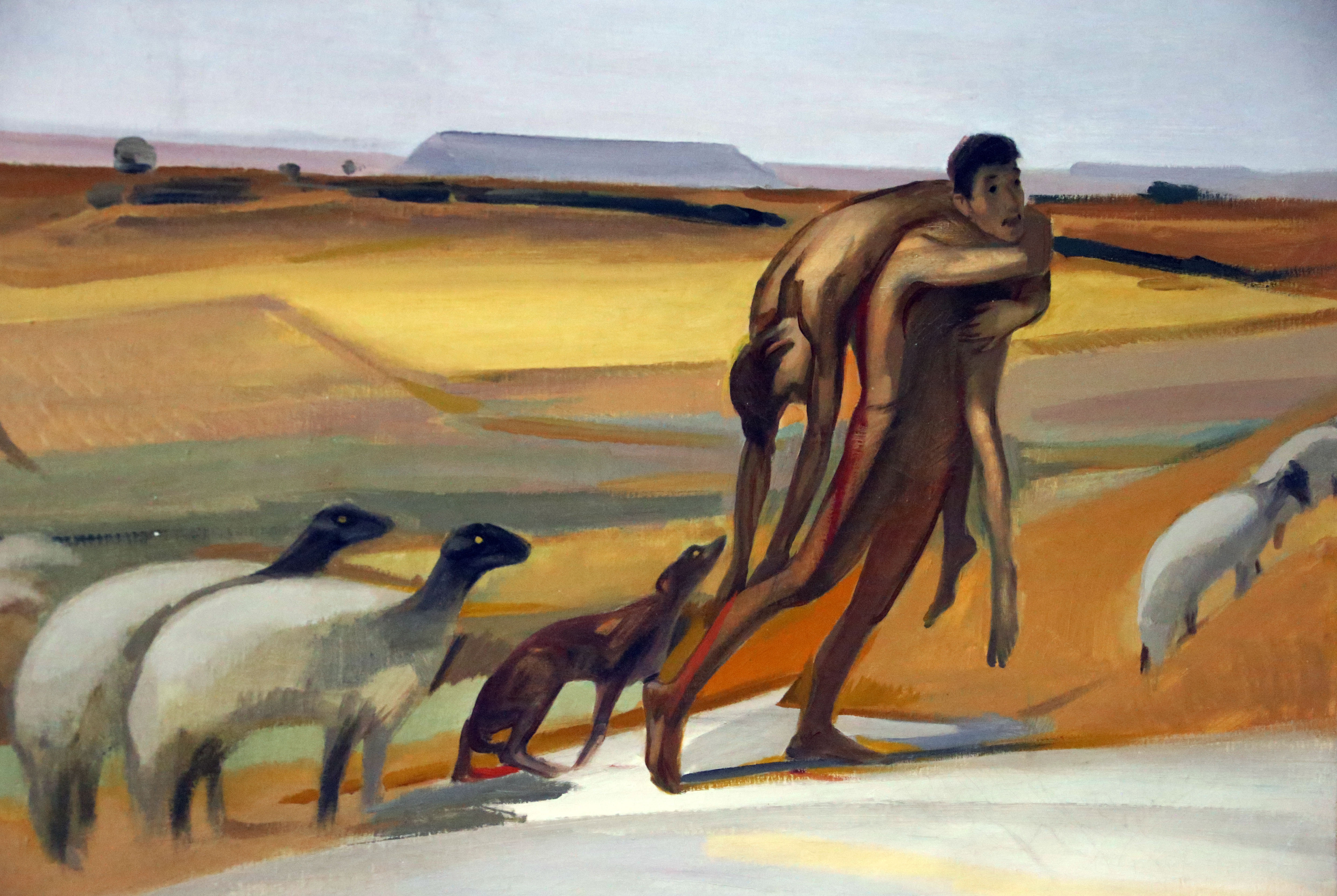
Paintings of artists who showcase Cyprus landscapes open Agropoetics. “One of the reasons the exhibition begins with this group of works is that they are by historic artists such as Adamantios Diamantis, Lefteris Economou and Telemachos Kanthos, in which this close relationship with the land is depicted.
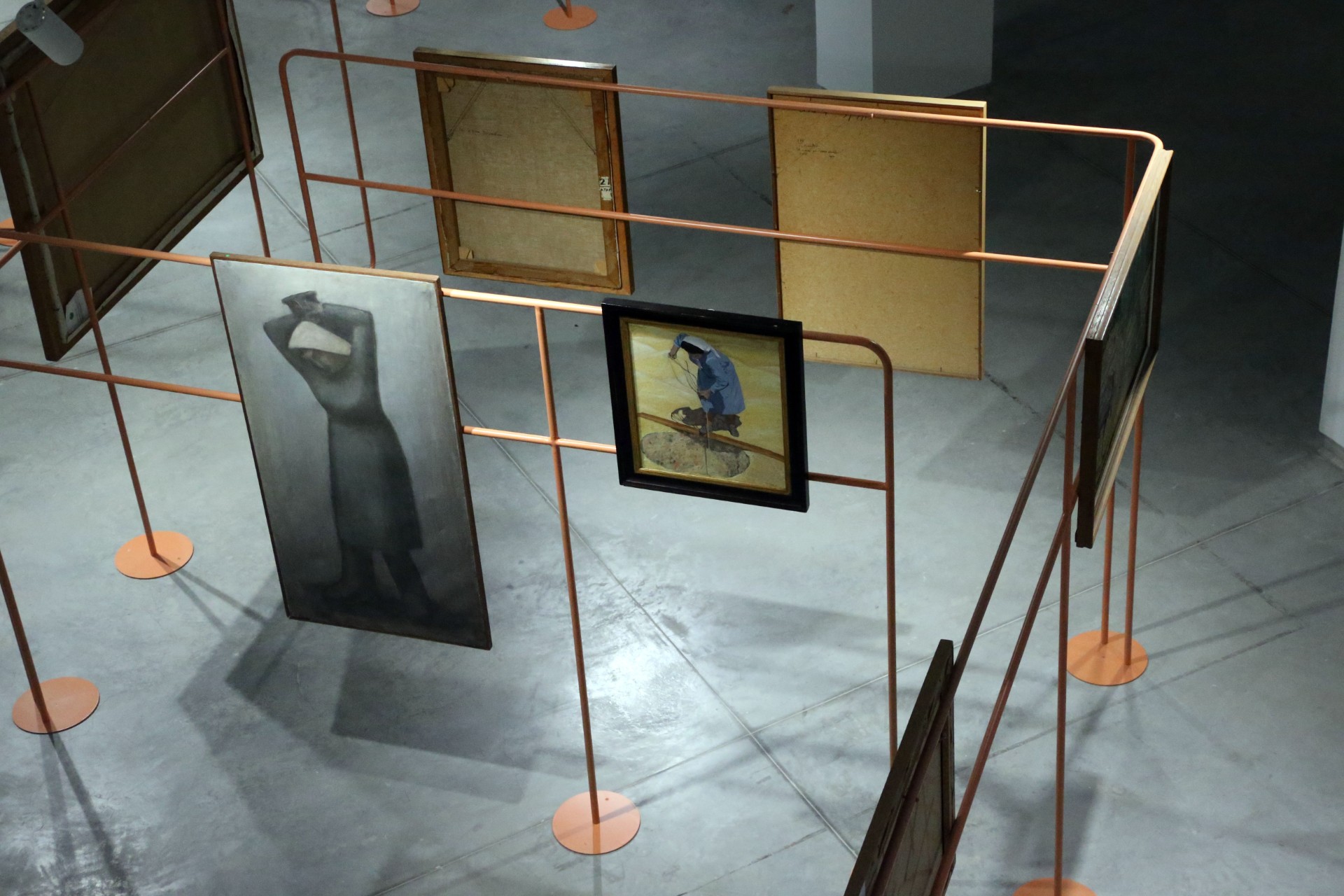
“We see women who dominate the landscape, but above all, they cultivate it, and look after it. Issues of care and collective labour come into play. This is a theme we encounter across the work of all these artists, the first generation who left Cyprus, studied abroad, and, upon returning, turned their attention to the Cypriot countryside. Very often, the figure of the rural woman becomes a central subject in their work”.
Among them on the ground level is a piece by Maria Michaelides, the only woman artist on this floor who often featured the rural working woman carrying pitchers. Female labour, interaction with animals and the land are found throughout the ground floor’s artworks.
“These pieces give visibility to a form of labour that is very often invisible,” says Parpa, “labour connected to physical effort, to women in the countryside, in direct relationship with the natural world.
“The question is what happens now that these women are no longer here to care for it? This is not an attempt to romanticise the past, but an effort to acknowledge it and to perhaps seek more meaningful relationships between humans and nature.”
On the upper levels of the museum, contemporary artists approach this focus on ‘landscape’ in a less literal way. In their works, the meaning of ‘landscape’ changes from cultivating the land to growing ideas of identity, territory, ecology and remembrance.
Turkish-Cypriot artist Günay Güzelgün, for example, approaches the concept through memory. Born in the 1940s in Louroujina village, she learnt to paint by playing with the soil. “She left her village during the unrest of the 60s and, ever since, she has been returning to it through her drawings.”
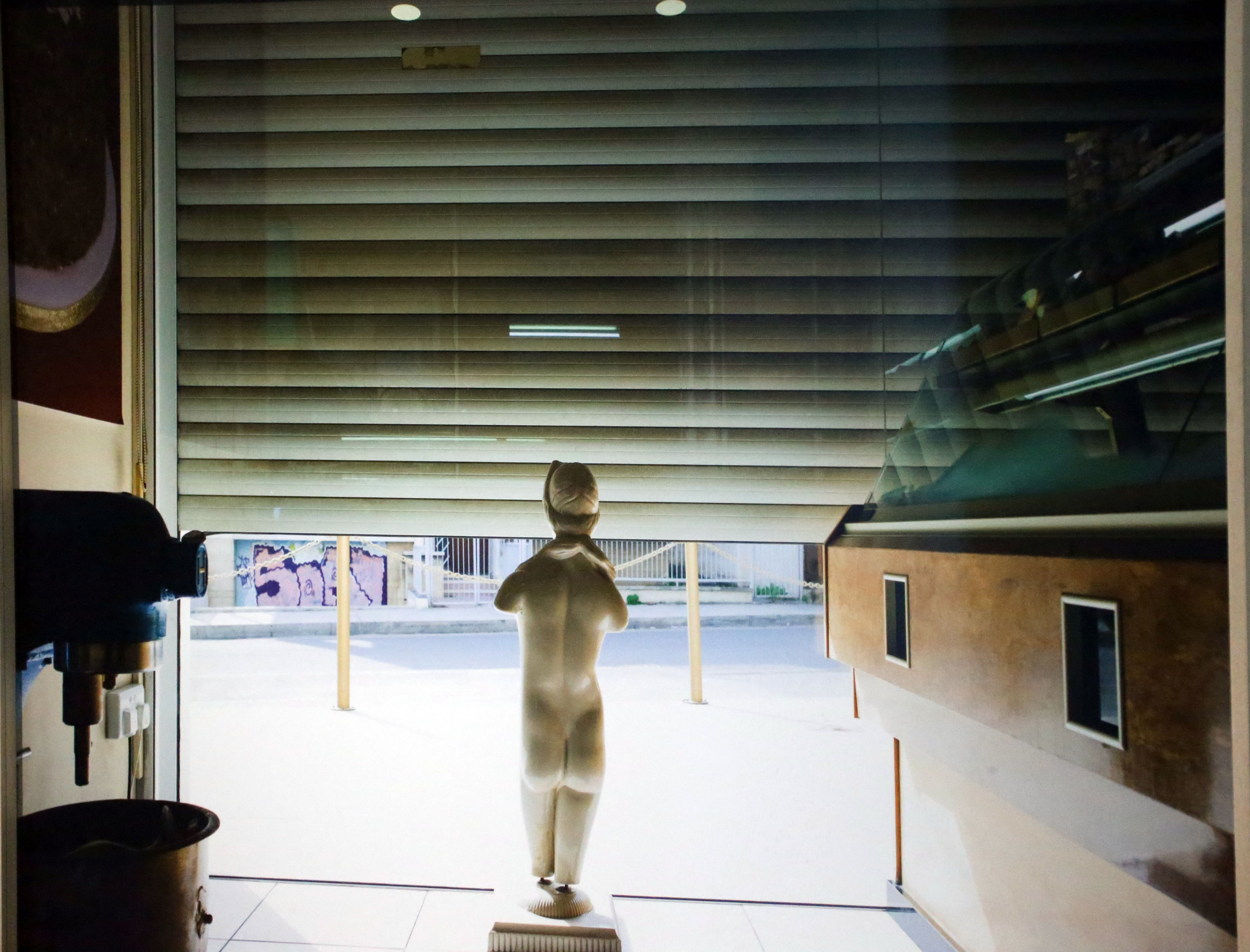
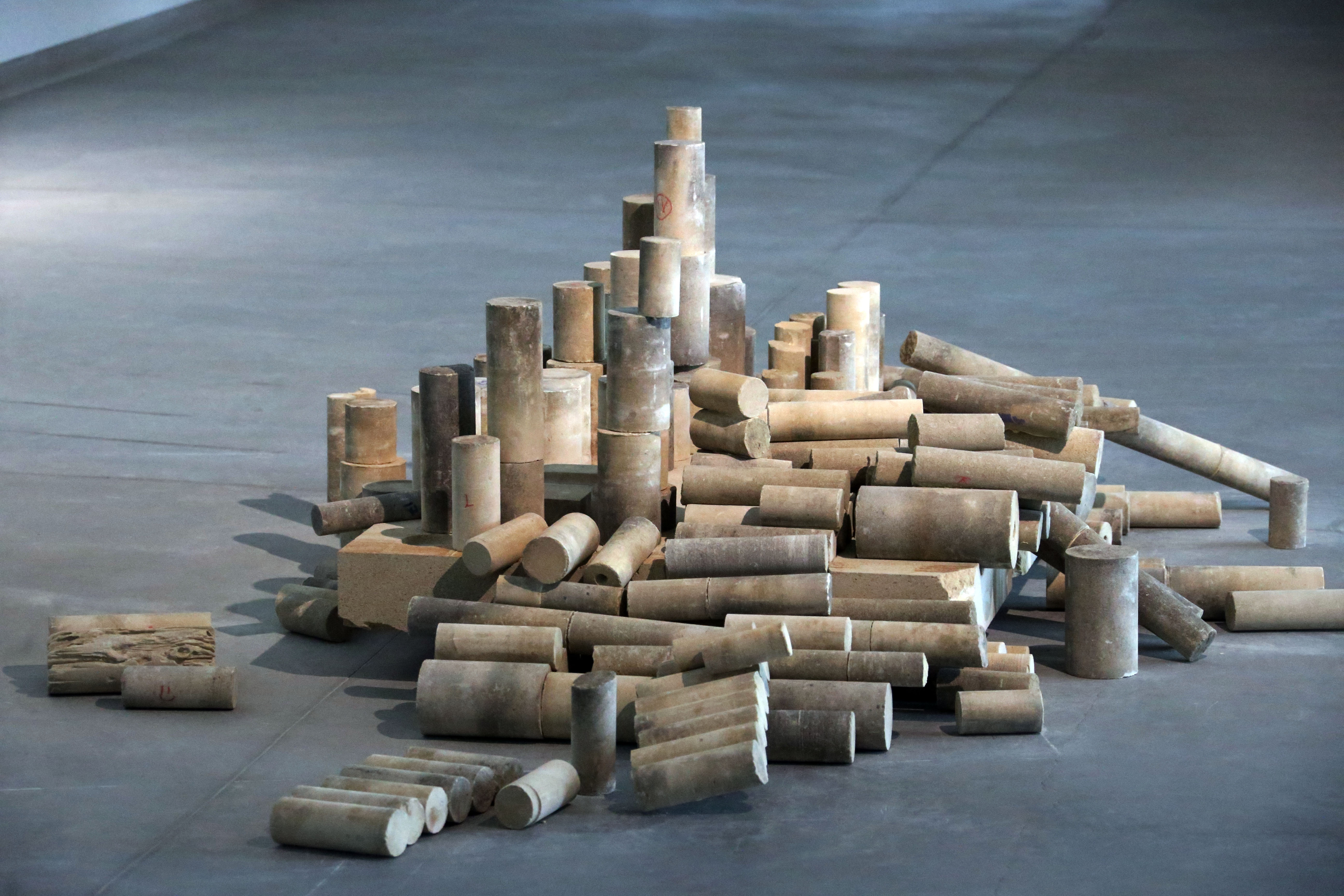
The whole exhibition feels like one big collective artwork, even if the pieces are independent from one another. Perhaps this is a reflection of Parpa’s curatorial eye, and her team (production by Eleni Xenou, architectural design by Eleonora Antoniadou, publication coordinated by Natalie Yiaxi and a visual identity developed by Myria Konnari).
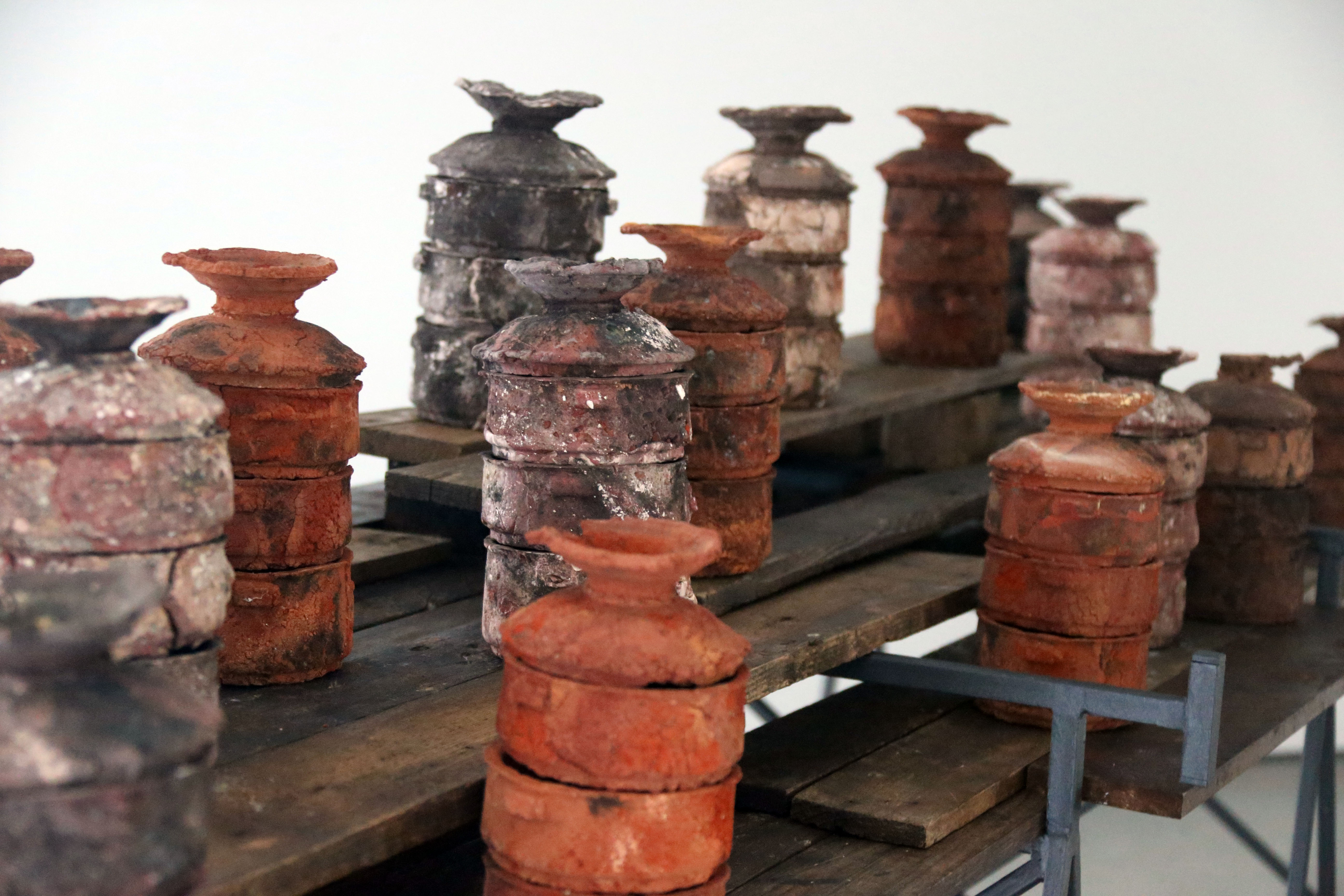
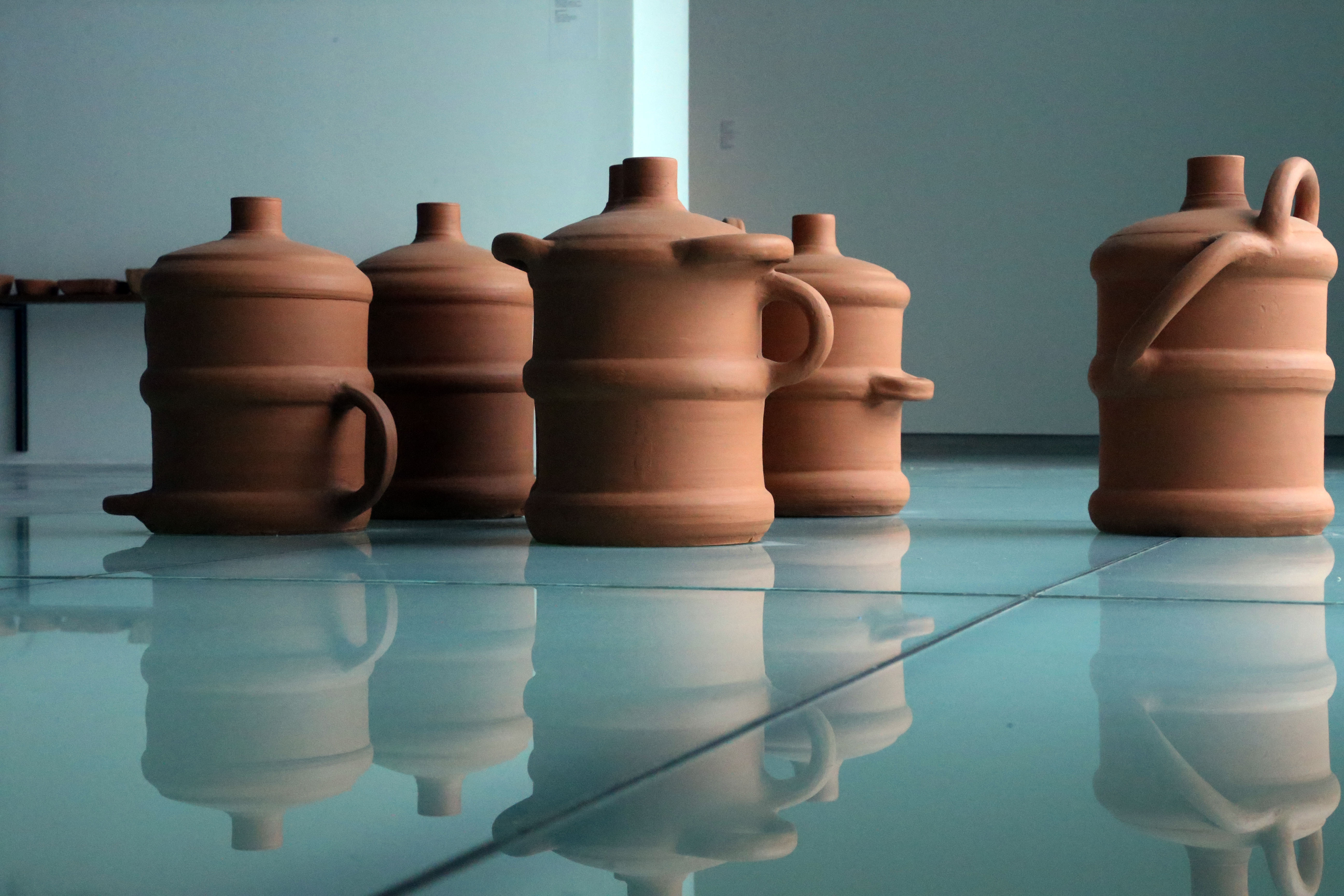
As we move across the room, some artworks reignite familiar memories, such as Fanos Kyriakides’ re-interpretation of water bottles. His, are made with terracotta, a more modern pitcher than those carried by the women in the paintings downstairs.
Others, spark curiosity, like Joanna Louca’s large wall hangings with glow-in-the-dark threads or Marina Xenofontos’ disco-ball-like rotating mechanism with broken CD-ROMs. Here, Parpa tells me, light becomes imperative, as the sun is to Cyprus.
Another source of light in the room is the museum’s large windows offering a fantastic view over parts of Nicosia. Is this juxtaposition why the subject of ‘landscape’ is important to Cyprus?
“Until recently, we were an agricultural society, and I think all of us have a grandmother who picked olives, kneaded dough, and baked bread,” says Parpa. “We all share experiences like these, so a more meaningful, close relationship with our natural environment is not as distant as we might think.”
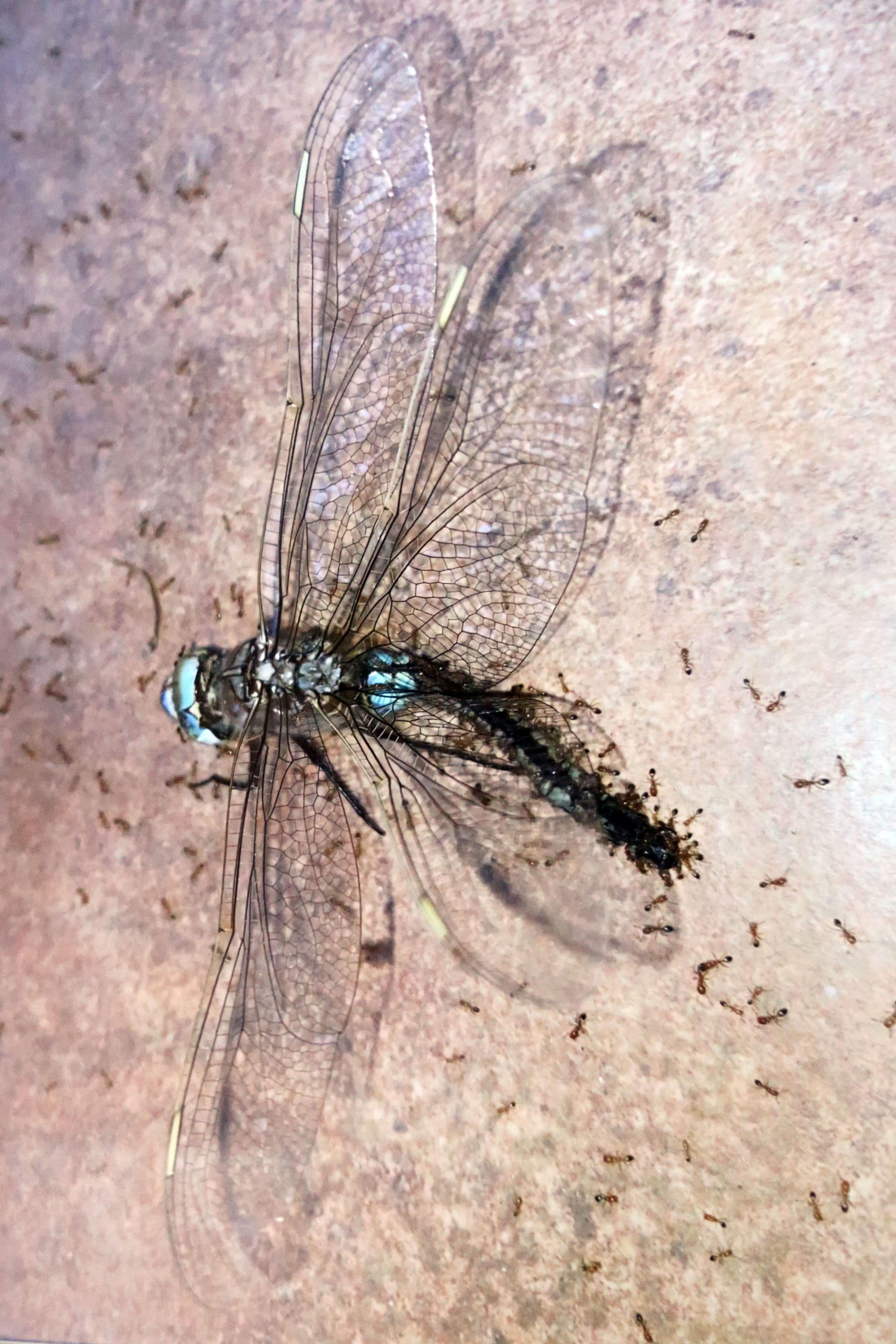
I think back to my grandmother’s lemon trees, the mud-cakes we’d make in her garden and those yellow buttercups we’d eat raw. These flowers, Parpa tells me, are echoed in Constantinos Taliotis’ video installations in the museum basement – the first time the space has been used as an exhibition room.
Agropoetics is not just about observing the land, working with nature or reflecting on territories. It is not just about Cyprus either. “When a work speaks of the landscape as a contested territory, it does not concern Cyprus alone; it also speaks to other zones of conflict, or memories of the land. The works engage wider critical questions.”
The exhibition is a call to reconsider our relationship with our environment, and how we co-exist with the land, trees, plants, animals, even the buildings. There is more to come – a bilingual publication with 31 contributors writing about the artworks, and a parallel events programme. My conversation with Parpa has given me much to think about – I recommend the guided tour. I step outside and follow the yellow buttercups back to my car. Back to the landscapes of the city, the landscapes of me.
Agropoetics: Soils/Bodies
Group exhibition part of the Cultural Programme of the Cyprus Presidency of the Council of the European Union 2026. Curated by Dr Elena Parpa and co-organised by the Deputy Ministry of Culture. Museum of Modern and Contemporary Art, Nicosia. January 30-June 30. Tuesday, Wednesday, Friday, Saturday and Sunday: 10am–6pm. Thursday: 10am-8pm. Tel: 22-479600. www.cy2026.eu, [email protected]
Click here to change your cookie preferences