
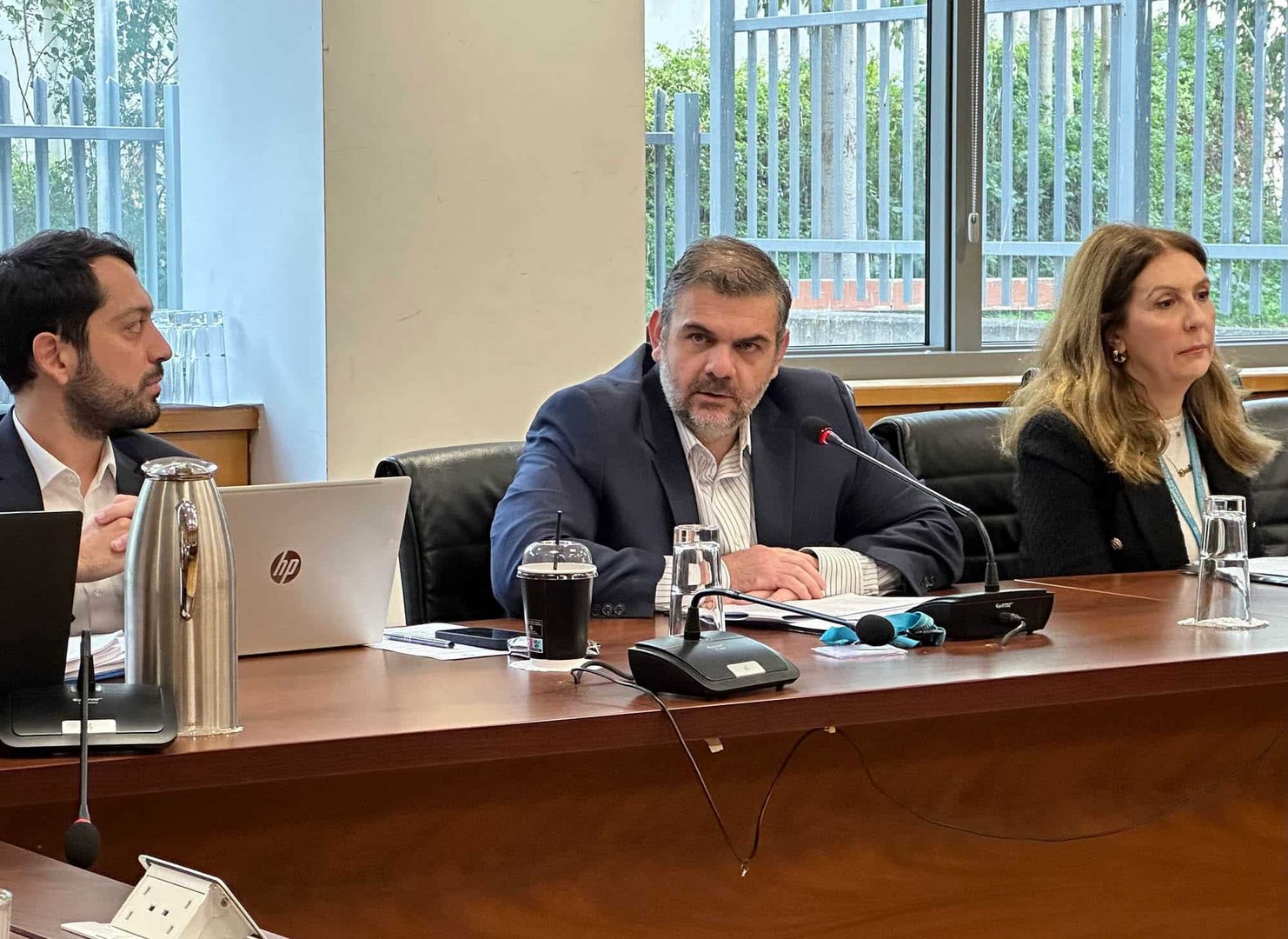
Cyprus needs stronger coordination and closer, continuous monitoring of public projects to avoid delays and cost overruns by 2028, Fiscal Council president Michalis Persianis has warned, pointing to structural weaknesses in oversight and accountability.
Speaking to the Cyprus News Agency (CNA), Persianis said that while there may be logical explanations for some projects continuing to carry” funds in subsequent budgets despite appearing completed, the broader concern is the absence of “close monitoring and a continuous, clear picture of public projects in general”.
In his view, the problem is most acute in projects involving more than one ministry or department, where coordination often breaks down.
That lack of coordination, he said, is precisely what risks turning into delays or cost overruns.
Comparing public-sector practices with the private sector, Persianis noted that private projects operate with clear timetables and monthly progress assessments, allowing early warnings to be triggered when problems arise.
“Our weakness is a matter of monitoring and supervision,” he said.
Against that backdrop, he argued for the creation of a central mechanism and a dedicated platform to track project progress and costs on a monthly basis.
With appropriate coding, such a system would reflect both timetable and budget status, offering timely visibility to the political leadership.
At present, he added, accountability for delays is often blurred, with multiple bodies involved and no clear “final owner” of a project.
“The platform will create early visibility into where there is a risk of going wrong,” Persianis said, stressing the importance of identifying not only projects that are already delayed, but also those at risk of falling behind.
This, he explained, would allow problems to be addressed before they escalate and become politicised, something that makes practical solutions far harder to implement.
As he put it, political leadership often becomes aware of problems too late, at which point “the issue becomes politicized, while it is practical”.
Turning to the state budget for 2026, Persianis said it reflects the economy’s present course, which has been positive, but is marked by heightened uncertainty, requiring close and ongoing monitoring.
“The budget confirms the positive elements of the economy, it is based on the positive course of the economy,” he said, while cautioning that uncertainty remains high due to both external and internal factors, including the planned tax reform.
He described the budget as “a good budget but full of uncertainty”, adding that particular attention should be paid to how spending is distributed.
Inelastic expenditures, he explained, are a key concern, as even small deviations leave little room for reallocation.
While these risks are partly offset by the downward trajectory of public debt, which provides some fiscal space, Persianis said that the environment calls for prudence.
With uncertainty high and many unforeseen challenges ahead, he concluded, a cautious stance remains essential.



Click here to change your cookie preferences