
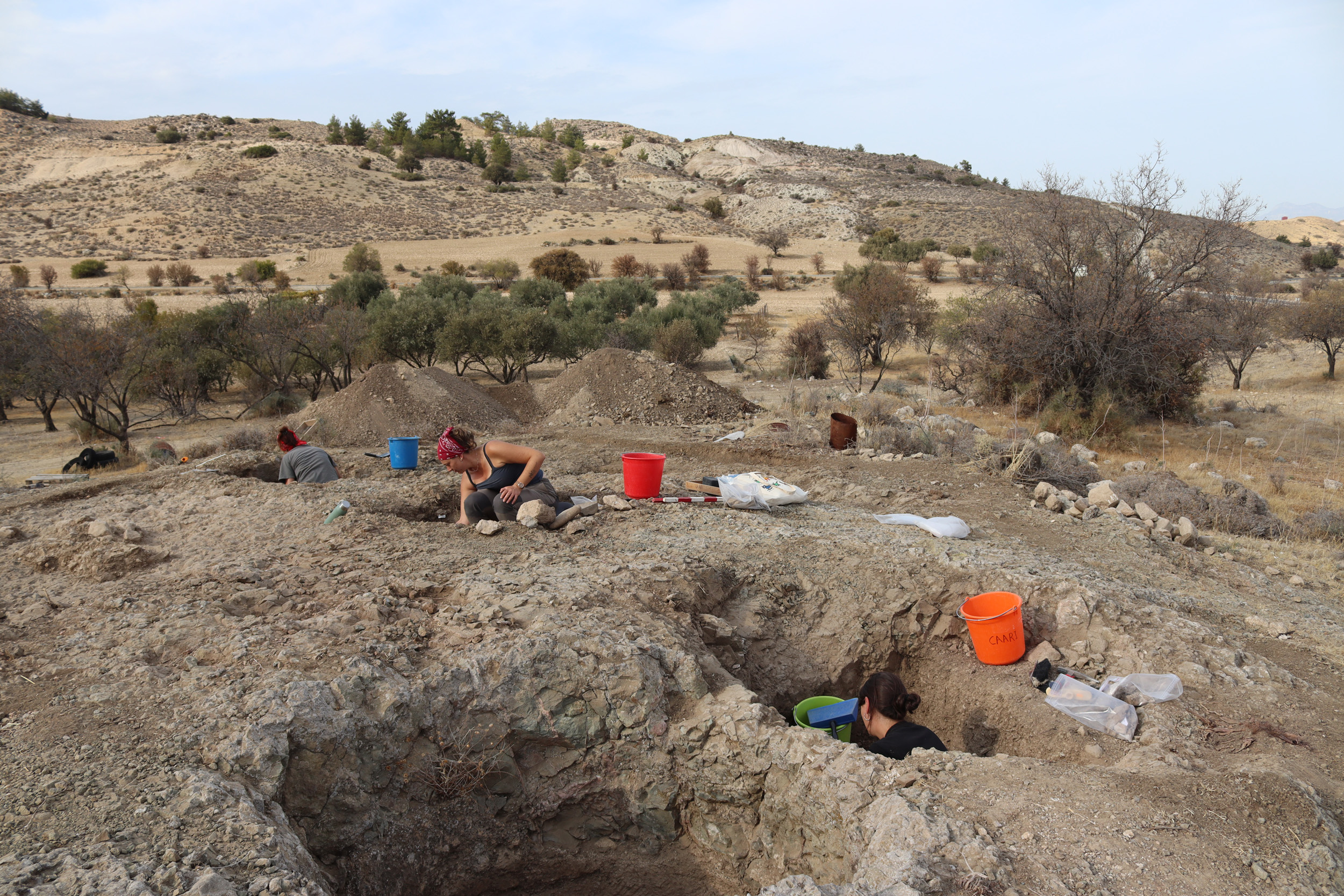
Archaeologists announced on Tuesday the completion of excavations in the Peristerona River valley, uncovering new evidence of ritualistic activity and water management linked to copper production under Roman rule in Cyprus.
The campaign was led by the Universities of Copenhagen and Uppsala with the approval of the antiquities department and deputy cultural ministry.
The project investigated how copper production in the foothills of Troodos during the Roman Empire impacted social organisation and the environment.
Research focused on the Peristerona River valley, as well as the wider hinterland of Xyliatos and Nikitari.
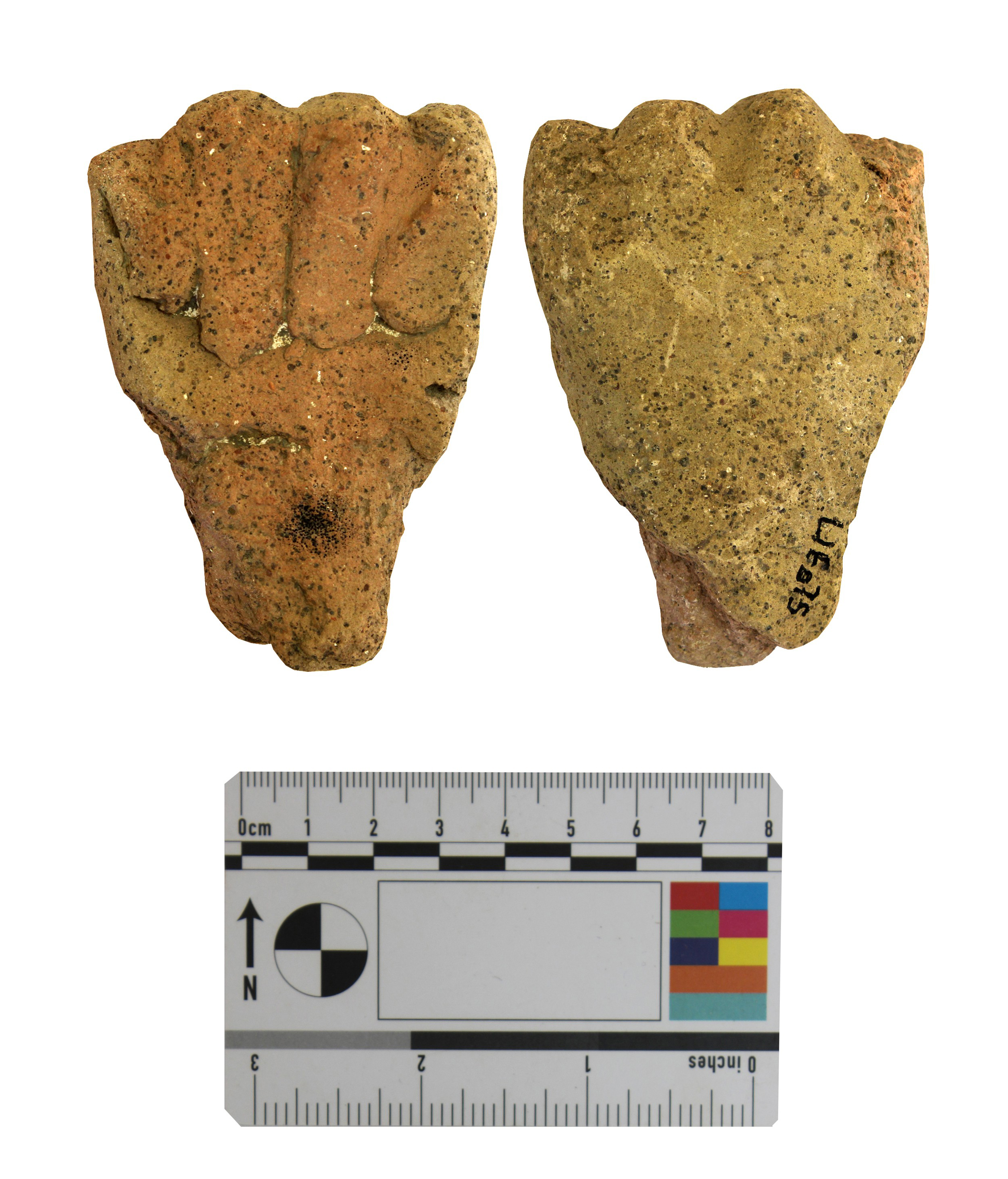
On a cultivated plateau north of Xyliatos, researchers identified an Iron Age sanctuary, indicated by fragments of figurines including handmade horses, a bull, and a figurine of the goddess ‘Astarte’, a Phoenician equivalent to Aphrodite.
During the Hellenistic and Late Roman periods, the sanctuary appears to have been replaced by a settlement, likely associated with copper production.
The excavation revealed an extensive water-management system arranged across three artificial terraces, including basins, cisterns and plastered hydraulic installations.
The project was directed by Dr Kristina Winther-Jacobsen and Dr Angus Graham, with excavation work led by Dr Roser Marsal.




Click here to change your cookie preferences