
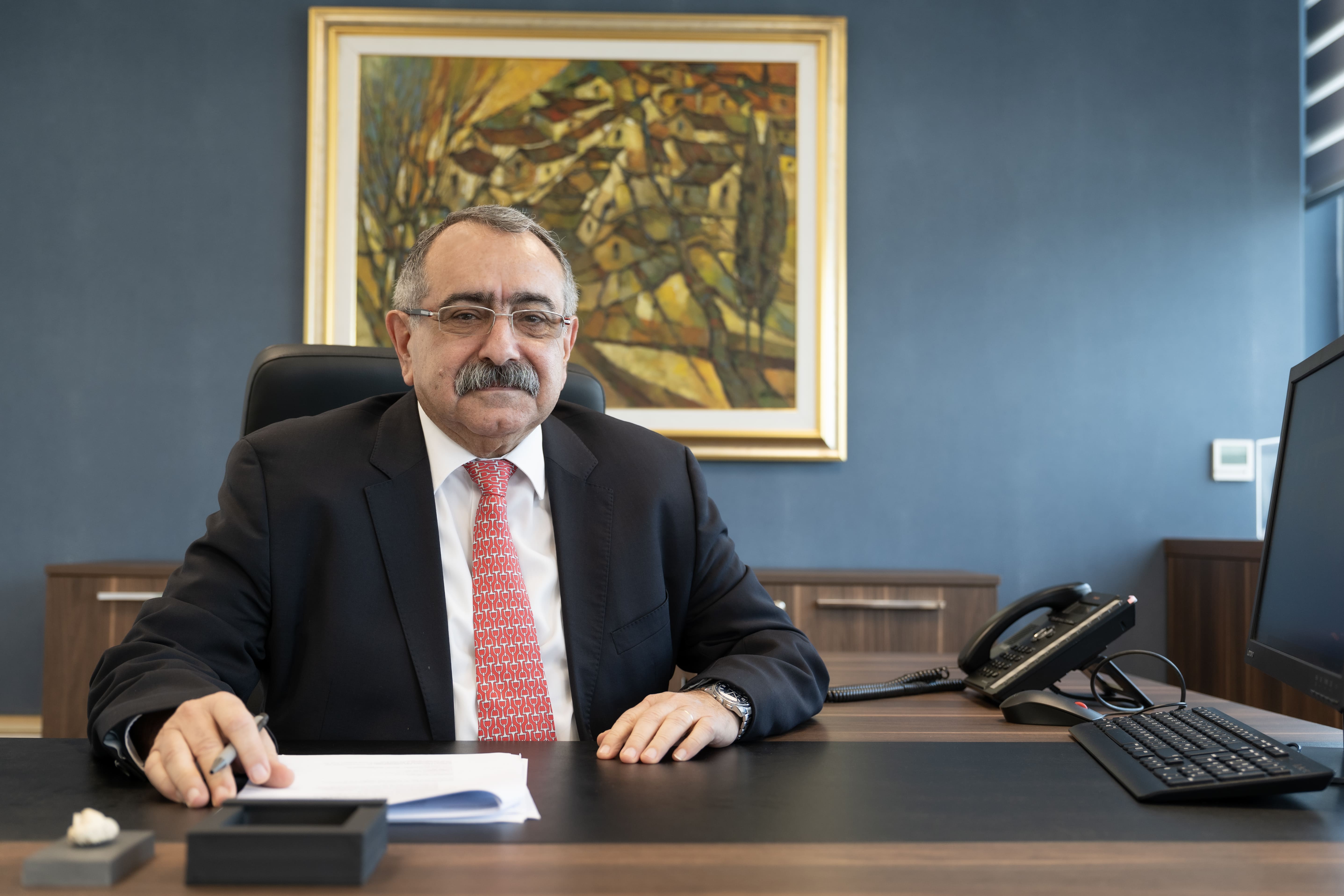
Cyprus Chamber of Commerce and Industry (Keve) president Stavros Stavrou on Monday highlighted the need for realistic planning and targeted reforms as Cyprus moves toward 2026, warning that the economy’s positive trajectory should not lead to complacency.
In his New Year message, Stavrou said that “the Cypriot economy had shown resilience, adaptability and dynamism in recent years, despite an unstable international environment shaped by geopolitical tensions, energy crises, inflationary pressures and rapid technological change”.
Against that backdrop, he argued, Cyprus is called upon not only to manage challenges but to plan its future “with realism and vision”.
The current picture, he noted, remains encouraging. Growth continues to outpace the Eurozone average, reaching around 3 per cent of GDP, unemployment remains close to 5 per cent, while public finances have improved, with public debt falling below 60 per cent of GDP.
These results, Stavrou said, “are not accidental”, but reflect fiscal discipline, private initiative and the resilience of the country’s economic model.
However, he cautioned that today’s performance does not guarantee future success. With several pending issues and open fronts, 2026 could prove a turning point for the economy, as decisions taken now will shape the development footprint of the coming years.
For Keve, the priority remains the preservation of a prudent but developmental fiscal policy. Economic stability, Stavrou stressed, “should not be considered an end in itself, but a tool for supporting the real economy, entrepreneurship and social cohesion”.
In that context, he warned that Cyprus must avoid complacency, arguing that controlling inflexible public spending, streamlining the state payroll and pursuing targeted social policies are necessary to create fiscal space for investment in sectors with multiplier benefits, such as infrastructure, innovation and the green transition.
Tax reform, he added, will be among the most decisive factors in 2026. The reform represents, according to Keve, a historic opportunity to upgrade Cyprus’ competitiveness, strengthening transparency, stability and the country’s international attractiveness as a business and investment destination.
“A modern tax system must reward productivity, innovation and extroversion,” Stavrou said, while reducing bureaucracy and uncertainty for businesses.
The digitalisation of tax procedures and the stability of rules, he added, are crucial for attracting investment and talent. From the chamber’s perspective, the recent vote in favour of the tax reform marks “a new starting point for the Cypriot economy”.
Looking ahead, estimates for 2026 suggest growth could be maintained at between 2.5 and 3 per cent, provided there are no serious external shocks.
Unemployment is expected to remain in the range of 4 to 4.5 per cent, while inflation is projected to move at more controlled levels compared with previous years.
However, for Keve, the objective is not limited to quantitative growth. Stavrou pointed to the need for a qualitative upgrade of the economic model, warning that excessive dependence on a narrow range of sectors carries risks.
Further diversification is required, he said, with greater emphasis on industry, exports, high value-added services, green energy, the digital economy and sustainable development.
The path to 2026, however, is not without obstacles. High energy costs, shortages of specialised human resources, bureaucracy in the public sector, delays in the administration of justice and labour tensions remain key challenges to competitiveness.
At the same time, Stavrou stressed that “social peace and a culture of cooperation between the state, employers and employees are essential for a healthy business environment”.
“Without investment, there are no new jobs; and without stability, investment is driven away,” he said.
Despite the challenges, Stavrou said that the chamber “believes Cyprus has the potential to enter 2026 as a more resilient, more competitive and fairer economy, provided there is vision, consistency, reform and long-term planning”.
“The chamber will continue to intervene actively in public debate, submitting documented proposals and supporting initiatives that strengthen entrepreneurship, development and social cohesion, with the business community remaining at the forefront of the country’s progress,” Stavrou concluded.





Click here to change your cookie preferences