
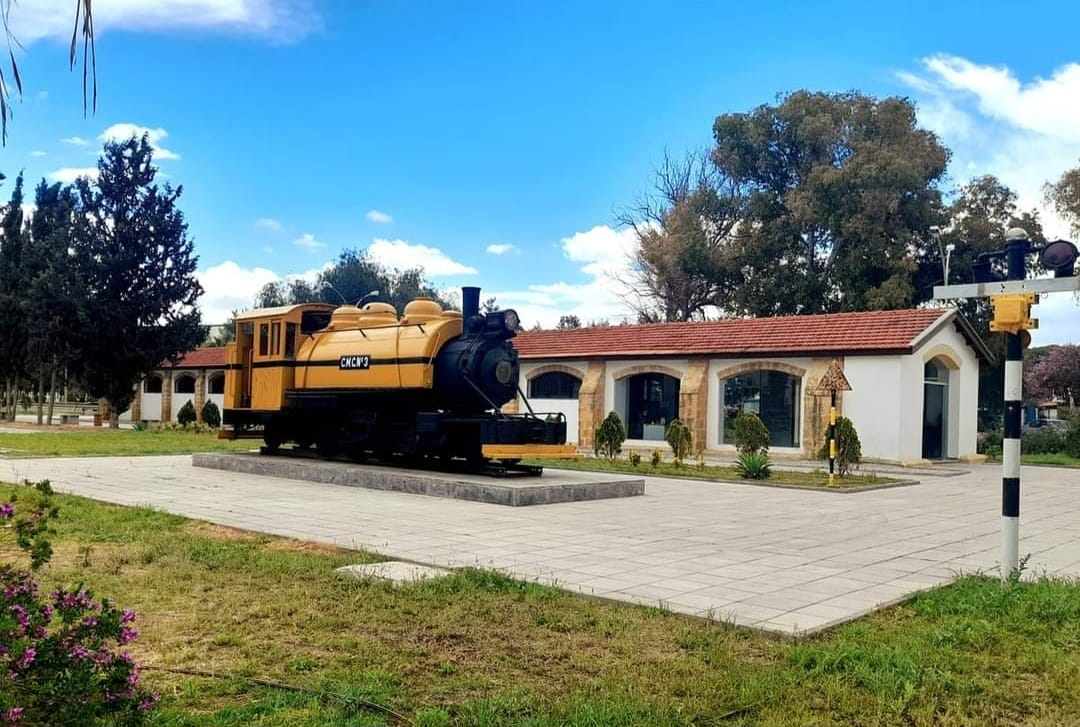
Railway industry group the European rail supply industry association (Unife) on Wednesday called for trains to return to Cyprus for the first time in over seven decades, citing the island’s holding of the Council of the European Union’s rotating presidency as an opportunity to make progress towards a return of rail transport.
“Cyprus can bring back trains for the first time since 1951 – strengthening Europe’s rail future – and strategic rail projects across Europe built by EU companies to European standards,” it said, adding that as an association, it has “thrown its support behind the concept”.
To this end, it said that Cyprus now “has the opportunity to end 70 years of no passenger rail or freight services by kick-starting planning”.
It also called on the island to “consider a range of key policy changes to keep Europe’s transport networks secure” during its six-month term, suggesting changes to the EU’s public procurement directive, with consultations on planned amendments to the directive running until January 26.
On this matter, it said that Cyprus can use its presidency to “ensure that EU countries guarantee the ongoing security of the continents’ rail networks, by ensuring that only EU-made rail products are used”.
Additionally, it said that Cyprus “needs to prioritise the ongoing installation” of the European rail traffic management system – a system of standards for the management and interoperation of signalling on railways in Europe.
This, it said, must be done “on key European rail corridors”, so as to “make sure civilian and military traffic can move faster and fully secure towards its destination”.
On the issue of military rail transport, it said the European Commission’s military mobility package, which was proposed in November, must be “faithfully delivered”.
The package effectively plans to cut rules regarding cross-border military movements within the EU and upgrade military mobility corridors within the bloc to make them both more effective and resilient, with the commission describing the plans as “bringing the EU one step closer towards a ‘military Schengen’” zone.
Unife said the planned harmonisation of rail standards which has been suggested as part of this package “is absolutely vital for both civilian and military traffic going forward”.
It also called on Cyprus to use its six-month term to “bring costs down across the rail sector … by continuing to harmonise rail standards and pursuing the simplification agenda, including regarding cyber resilience”.
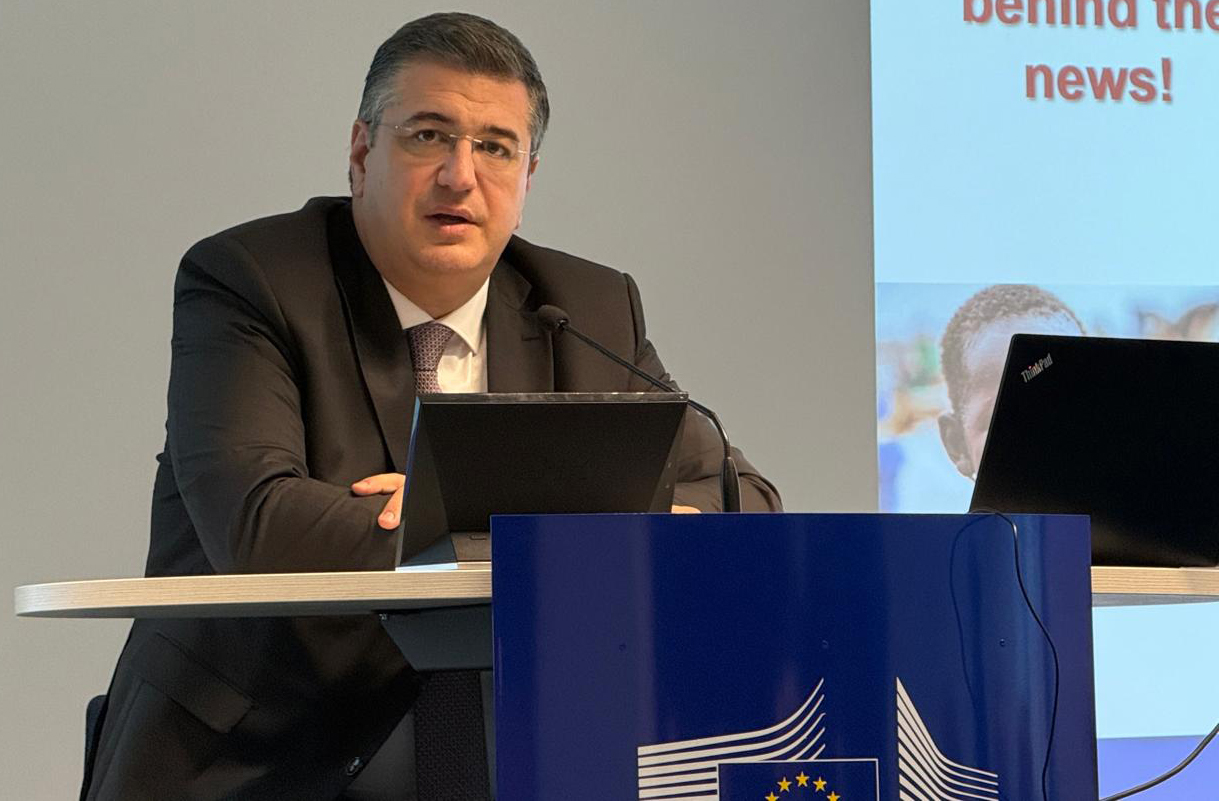
The group’s call for railways to return to the island comes after European transport commissioner Apostolos Tzitzikostas had said last month that the prospect of a new railway line being constructed in Cyprus is not to be laughed at.
“Don’t laugh at [the idea of] trains,” he told journalists, adding, “a route which connects the [Larnaca] airport, Limassol, and Nicosia would be a positive development for Cyprus and its transport infrastructure, and the European Commission would be willing to offer support for such a project.
“I would not laugh about it at all. The Cypriot presidency of the Council of the European Union could be a good opportunity to discuss something like this,” he said.
Asked if the European Commission could provide financial support for the construction of such a railway line, he said that would “obviously” be possible.
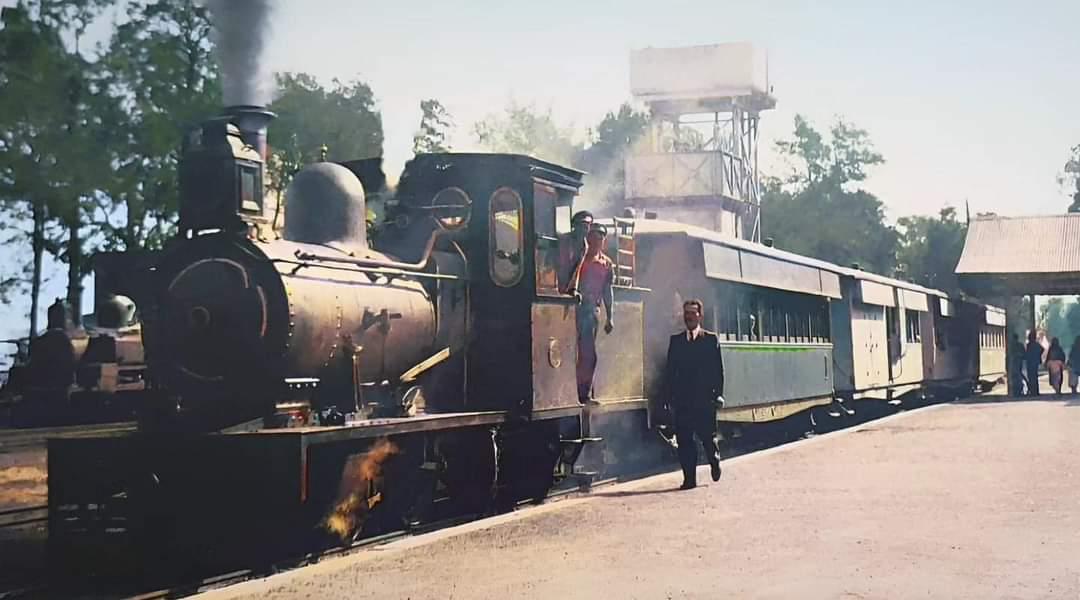
Cyprus has been without a railway since 1951, when the final stretch of the original Cyprus Government Railway was closed by the island’s British colonial rulers.
The line had opened in 1905 and had stretched at its greatest extent, between 1915 and 1932, between the Troodos mountain village of Evrychou and the port of Famagusta, passing through Morphou and Nicosia on the way.
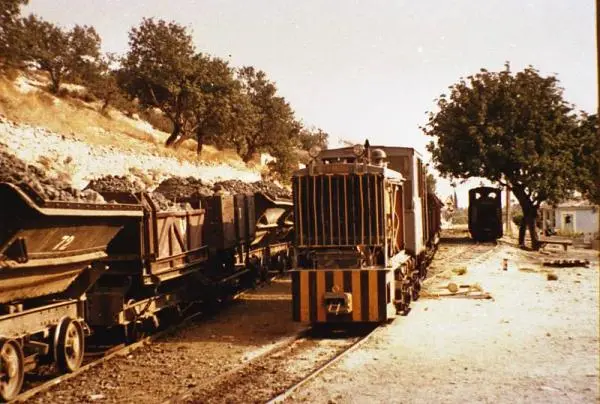
It had been primarily used to transfer freight inland from Famagusta, as well as transferring timber from the Troodos mountains across the island and carrying freight, ore, and minerals from the island’s mines.
However, it was never profitable and was closed in stages from 1932 onwards.
After 1932, the line’s western terminus was at the village of Kalo Chorio, near Lefka, and after 1948, it ran no further west than the original Nicosia airport.
The final train departed from Nicosia station for Famagusta on December 31, 1951, and the line itself was dismantled in 1952 and 1953.
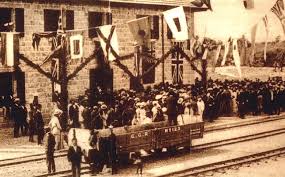
The prospect of opening a new railway line in Cyprus had been floated in 2022 following a meeting of Cyprus’ then transport minister Yiannis Karousos and Tzitzikostas’ predecessor Adina Valean.
Karousos said at the time that “the studies exist” for the construction of a new railway line, and that “some very good preparatory work has been done”.
“We know that with a light railway we could link up the main cities of Cyprus and the airport,” he said, before adding that a railway would help ease traffic congestion.
He added that “based on the studies we have, [a railway] could be installed inside the current road network”.




Click here to change your cookie preferences