
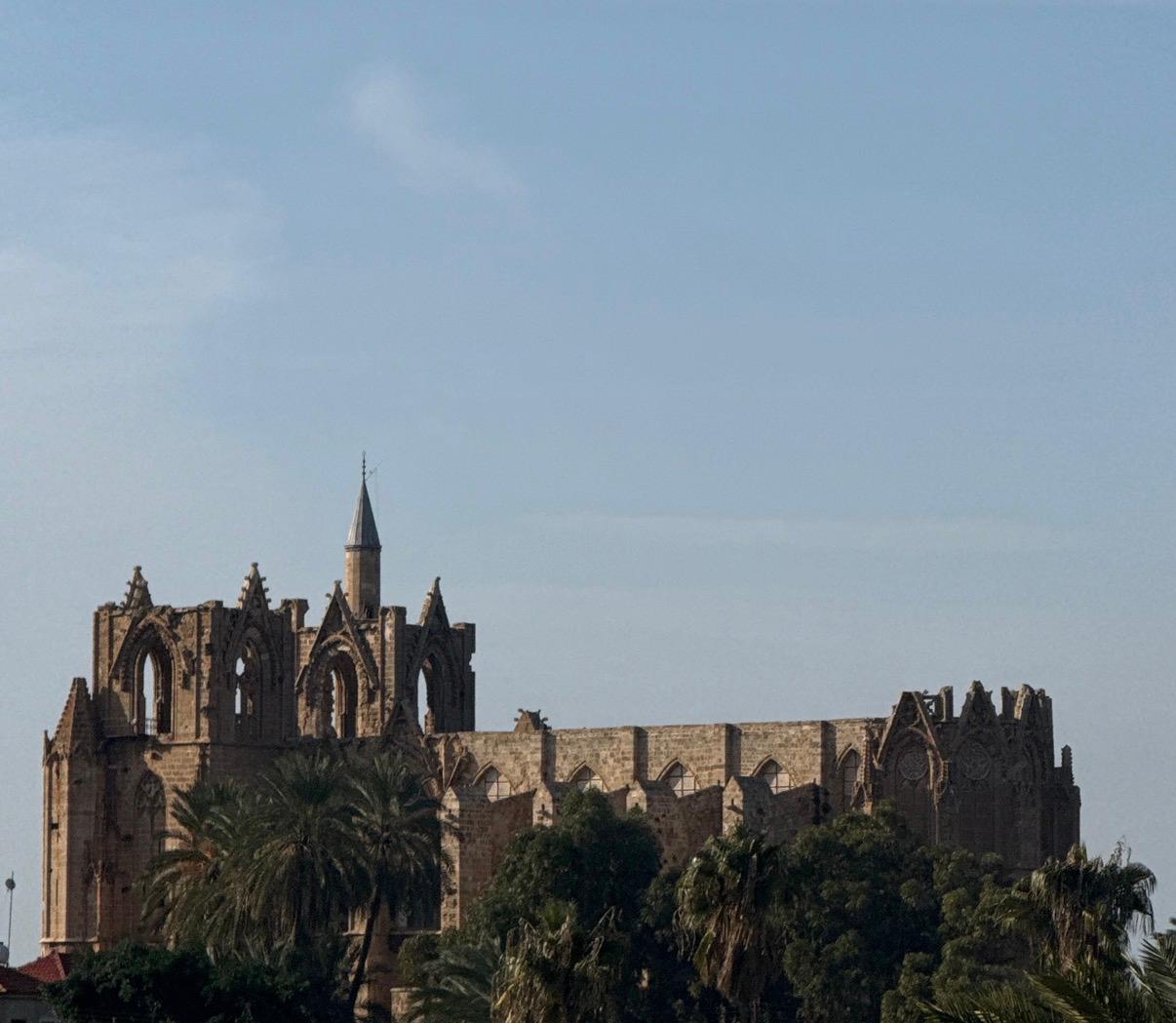
The European Union has allocated €466,400 to strengthen the sustainable conservation of cultural heritage sites in historic Famagusta.
The funding, announced by the European Commission on Wednesday, is being used to address a persistent lack of capacity for regular maintenance after restoration works are completed.
Through a European Commission procurement contract implemented between October last year and this month, specialised vehicles, machinery and equipment have been delivered to the local community to support routine and preventive care.
According to the Commission, the intervention is designed to ensure that restored monuments are not left vulnerable to neglect, vegetation overgrowth or sudden damage once major works end.
The equipment will allow local actors to carry out tasks such as vegetation removal, minor repairs and emergency interventions.
The initiative builds on more than a decade of EU-funded restoration activity in Famagusta, largely implemented through the bicommunal technical committee on cultural heritage.
Since 2015, the committee has overseen the restoration of some of the city’s most significant landmarks, including Othello Tower, sections of the Venetian city walls, bastions and gates, as well as churches and mosques within the historic centre.
Major archaeological sites in the wider area, such as Salamis and Ayios Epiphanios, have also benefited.
The Commission said the new investment reflects an integrated approach to cultural heritage conservation, linking restoration projects with the practical realities of upkeep.
Since 2012, the EU has spent €32.5 million on cultural heritage preservation under its assistance programme for the Turkish Cypriot community.
The announcement comes amid continued emphasis on the scale and scope of the technical committee on cultural heritage’s work across the island.
Speaking earlier this month, the committee’s Turkish Cypriot co-chair Ali Tuncay said more than 180 cultural heritage projects have been completed since the body was established in 2008.
These have included restoration, urgent interventions, conservation and survey work at sites ranging from places of worship and fortifications to archaeological remains.
Tuncay said the committee has used over €45 million in funding since 2010, with the majority, €35 million, provided by the European Union.
Additional contributions have come from bodies such as the foundations administration (Evkaf), the Greek Orthodox church and other organisations.
He stressed that projects are selected and implemented in a balanced manner, covering cultural heritage linked to both Turkish Cypriot and Greek Cypriot communities, as well as other historical layers on the island.
Looking ahead to 2026, the committee plans to begin conservation work on mosques in the Limassol district villages of Koilani and Ayios Thomas, while tenders will be issued for work on 10 further mosques in the Paphos and Larnaca districts.
Restoration and conservation are also ongoing at Apostolos Andreas monastery in the Karpas peninsula.
Non-religious sites, including a historic windmill in Limnia, the Diamante bastion in Famagusta and Lefka’s aqueducts, are also part of the programme.
Recent years have seen Famagusta highlighted as both a symbol of Cyprus’s rich, layered history and of the risks posed by neglect amid political division.
Work has also been completed at sites such as St George of the Latins church in Famagusta’s old town , alongside parallel works at the Tuzla mosque in Larnaca.



Click here to change your cookie preferences