
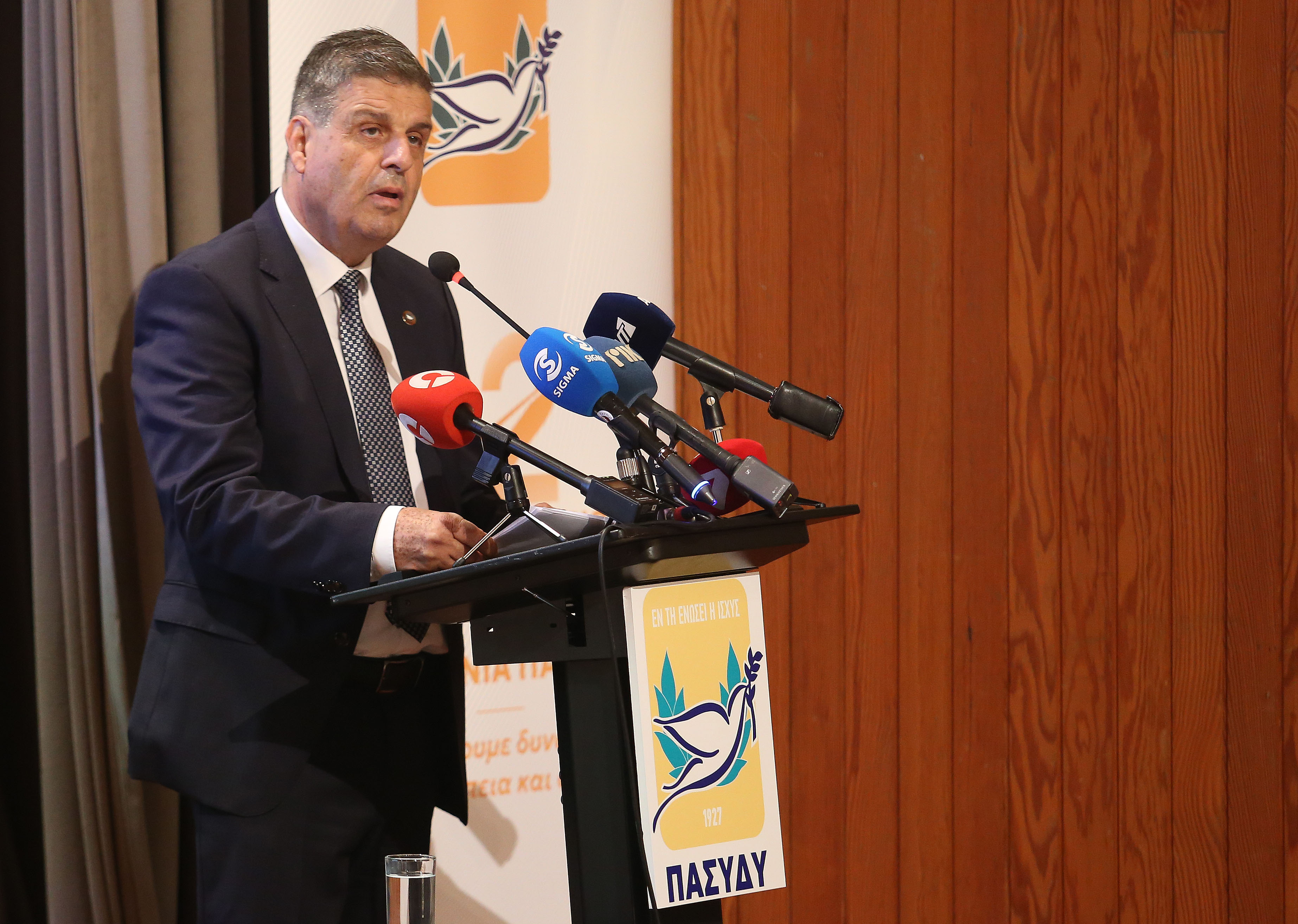
Cyprus’ main state sector trade unions on Wednesday signed an agreement to create a joint coordinating body, strengthening their collective voice on key labour issues, Pasydy said.
The agreement was signed at a meeting at Pasydy’s headquarters in Nicosia, bringing together the civil servants’ union with other major public sector organisations.
Speaking after the meeting, Pasydy president Stratis Mattheou described the day as “historic”, saying the organisations were joining forces to safeguard their “guaranteed rights”.
“The cooperation of the state sector trade unions is now placed on an institutionalised basis,” he said, adding that the organisations would work together and offer mutual support on horizontal professional issues.
“As we have shown in the past, on the issues of pensions and CoLA [cost-of-living allowance] there was successful cooperation with a positive outcome,” stressed the Pasydy president, expressing the hope that this cooperation would be further strengthened in future in the interest of workers across the country.
According to a Pasydy announcement, the coordinating body includes Pasydy, Poed, Oelmek and Oltek, as well as the associations of senior police officers, the Cyprus police and the Cyprus firefighters.
The Cyprus army officers’ associations and the Cyprus army non-commissioned officers’ associations will also cooperate with the body.
“The primary purpose of establishing the new body is to institutionalise cooperation between state sector organisations and associations on a planned and coordinated basis, with the aim of formulating common policy and promoting collective action on issues of general professional interest, such as tax and pension reform,” the announcement said.
The body will also facilitate mutual support through the exchange of views and coordinated action on labour issues affecting members of each organisation, the announcement said.
“The main objective of the organisations is to strengthen the coordinated presence of state sector trade union organisations, through the operation of this common coordinating body,” it added.
This will allow for more substantial participation in dialogue with the authorities, the announcement explains, while respecting the autonomy and independence of each member organisation, particularly on matters directly concerning their own members.





Click here to change your cookie preferences