
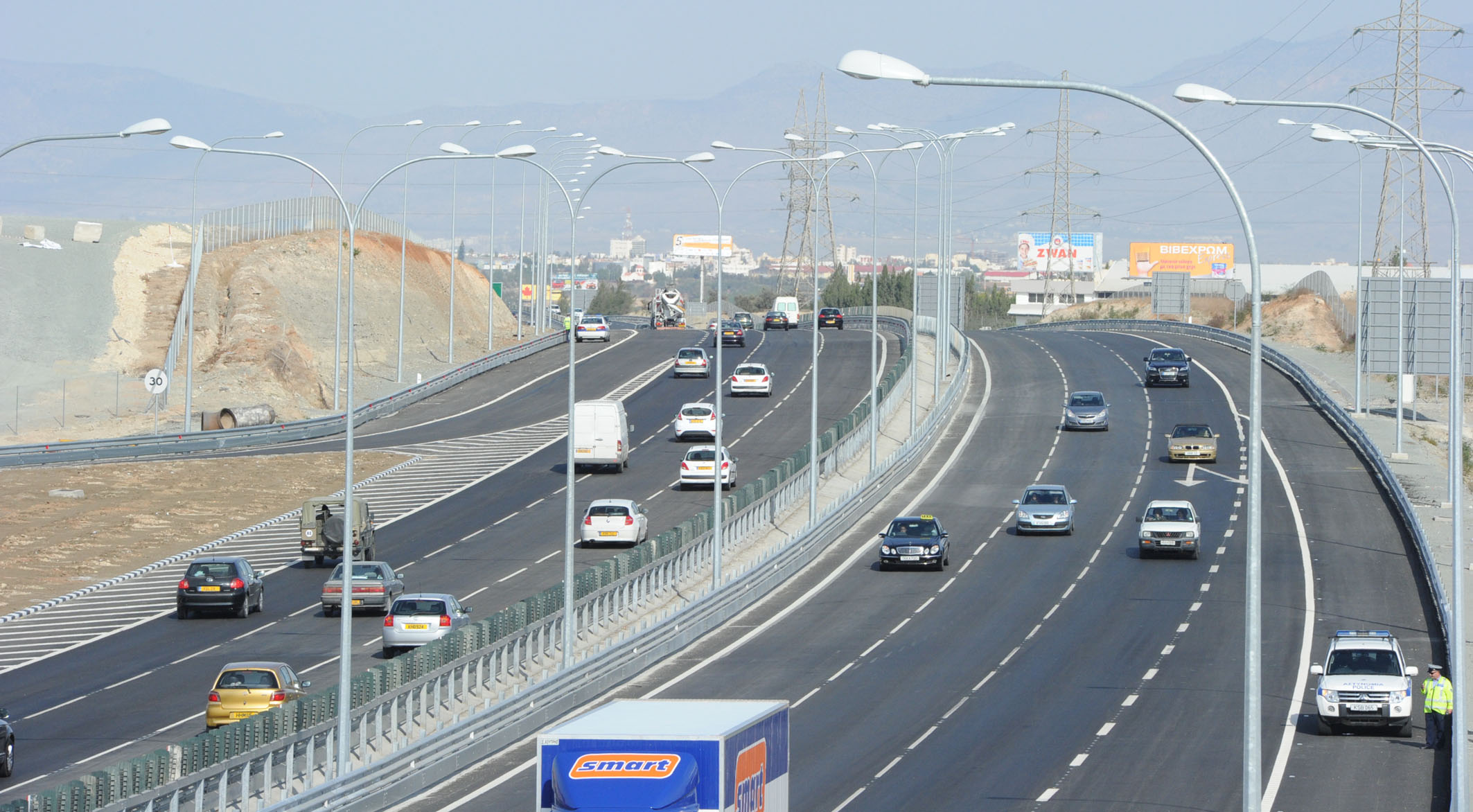
Driving in Cyprus is generally straightforward, but it does differ in several important ways from mainland Europe and North America. Understanding the local rules and road etiquette will help visitors drive confidently and safely.
The most important rule is that driving is on the left-hand side of the road, a legacy of British colonial rule. Vehicles are right-hand drive, and roundabouts also operate clockwise. For drivers unfamiliar with left-hand traffic, this requires extra attention at junctions, when pulling out, and after stops.
Speed limits are clearly posted and enforced. In urban areas, the limit is typically 50 km/h, increasing to 80 km/h on rural roads and 100 km/h on high (with a minimum of 65 km/h). Speed cameras are widely used, including fixed and mobile units, and fines are issued automatically. Seat belts are mandatory for all occupants (front and back), and child seats are required for young passengers. Using a mobile phone while driving is illegal (unless hands-free) and carries a hefty fine.
Drink-driving laws are strict. The legal blood alcohol limit is 22 µg/100 ml while for inexperienced drivers (less than 3 years of holding a drivers’ license) experience) the limit drops to 9 mg/100 ml. Apart from having to spend a number of hours at a police station penalties include heavy fines, penalty points, and licence suspension. Random alco(tests) AND narco(tests) breath testing is common, particularly late at night but also during holidays.
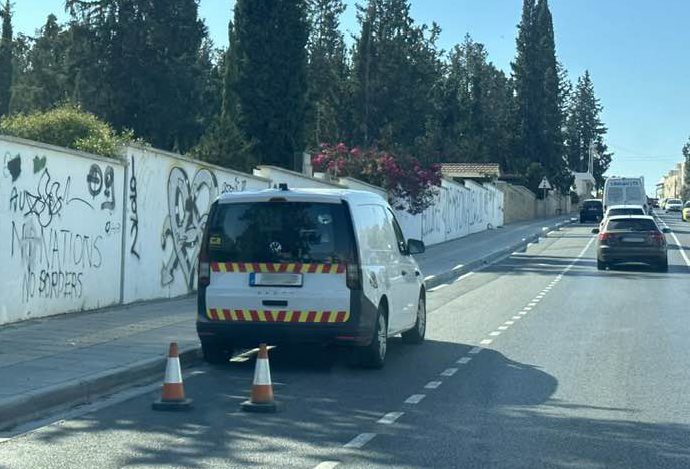
Road quality varies. Highways and main roads are modern and well maintained, while rural and mountain roads can be narrow, steep, and poorly lit. In neighbourhoods, parked cars may reduce road width significantly, and caution is essential.
In terms of road etiquette, Cypriot drivers are can be aggressive. Lane discipline on highways is improving but not always consistent, and some drivers may follow too closely or change lanes abruptly without indicating. Horn use is not as extensive as it once was and can serve both as a warning and an expression of anger. At junctions, drivers may expect decisive movement; hesitation can cause confusion.
Are Cypriots good drivers? The answer depends on perspective. Most drivers are experienced and confident, but local habits—such as rolling stops, limited use of indicators, or loose interpretations of right of way—can surprise visitors.
Parking is a bit of an issue especially during high season. Parking areas are limited and we (Cypriots) do not like to walk. We may opt to park somewhere illegally (eg.double yellow line) and risk the fine rather than having to walk five minutes.
Defensive driving is advisable, especially in busy urban areas like Nicosia and Limassol.
Overall, driving in Cyprus is manageable for visitors who stay alert, respect speed limits, and adapt to local driving culture. With basic preparation and patience, it is a practical way to explore the island.





Click here to change your cookie preferences