
By Louisa Nahas
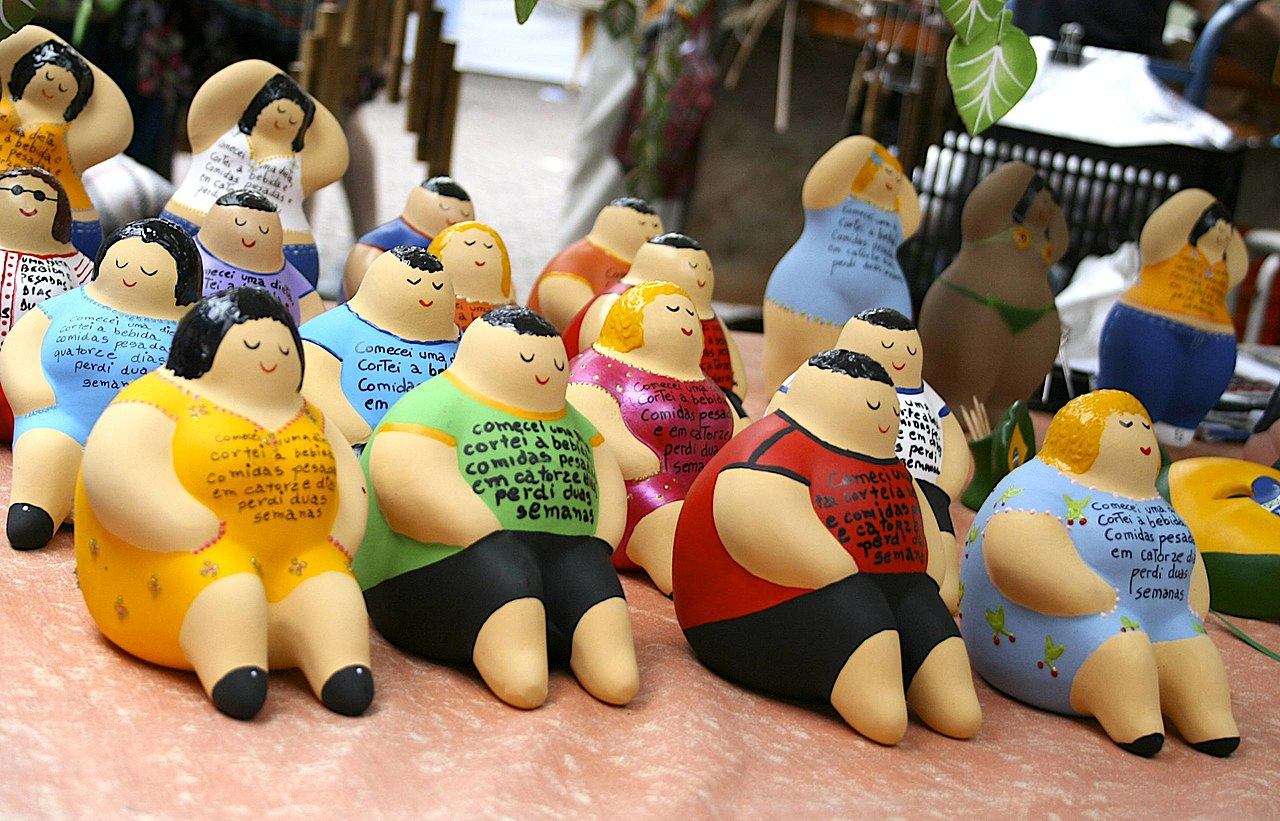
Fatphobia [fat-foh-bee-uh]is described in the dictionary as an unreasonable dislike or unfair treatment of people because they are fat, a deep-seated fear and hatred of fat bodies. It equates fatness with ugliness, inferiority, and immorality.
It is usually gift wrapped in the phrase‘it’s just so unhealthy’.
But here’s the truth, fatphobia has nothing to do with health and everything to do with society’s unresolved insecurities.
But why do we even have such strong opinions on each other’s appearances?
Historically, appearance acted as a visual shortcut for wealth and status. During the British Empire, pale skin signalled privilege and exemption from outdoor labour, while a fuller figure suggested access to resources. The female body was tightly controlled by corsets.
By the early 20th century, the rebellious move was to ditch the corsets and embrace a thinner, androgynous look, marking the start of the ‘skinny era’. This was cemented by the golden age of cinema and fashion, shaping what we know today as Western beauty standards, which were graciously passed on to us in exchange for our herbs and spices.
But what has this morphed into today?
I don’t think it’s Queen Victoria’s fault that Brian from Facebook, has strong opinions about women’s bodies. At some point, we, as a society, need to take some accountability.
I could go into the media and the unhealthy beauty trends that shaped us, but that conversation is tired and points fingers at faceless ‘evil media monsters’ without ever addressing the real issue: the people we do see and should be holding accountable; the psychology behind the sheer disdain so many carry.
Fatphobia is a symptom of internalised rage, insecurity and self-loathing.
Here’s how I see it: Some people feel deeply inadequate about their looks, finances and/or social skills. Others are hiding personal shame such as addictions, trauma or secrets they can’t face.
So, when they see someone who doesn’t comply with conventional norms, they get a false sense of superiority. It triggers a rush of endorphins, a cheap emotional high. Seeing someone ‘fail’ at meeting social norms, takes the pressure off their own ‘shortcomings’. Well, at least I’m not THAT.
The argument of people shaming others because ‘being fat is unhealthy’ is quite the insult to intelligence.
If people genuinely cared about health, we wouldn’t still be glorifying sex, drugs and rock ‘n’ roll lifestyles.
Take Lana Del Rey for example: an absolute icon, yet, so many are fixated on her weight fluctuations, calling her unhealthy and somehow, barely anyone comments on her trademark cigarettes on stage.
Health isn’t the issue: appearance is.
We have failed to educate ourselves about health, bodies and most importantly psychology. Particularly how projection shows up in the forms of triggers. Instead, we’ve given up independent thinking and let consumerism, media, and capitalism tell us what to hate about ourselves – and about others.
Fatphobia fuels eating disorders, body dysmorphia and ongoing mental health struggles. Beyond that, it’s a gateway into other insecurities, adding to an already divided society and individualistic culture, pushing people to withdraw rather than connect.
Medically speaking, extremes on either side (underweight or overweight) can be unhealthy.
But if people were so concerned with health they wouldn’t resort to making someone feel completely worthless. The gaslighting we see in society, where insults are gift wrapped in the form of care, is simply draining.
The bullying, aggression and scrutiny bigger people (and all those who don’t fit a standard) are faced with, comes from those attempting to soothe their own pain.
Need further proof that it’s never about ‘health’? Take a look at how much shame people get for taking weight loss drugs. There is now a solution to the VERY issue they had with ‘the obese’, which many are taking, and yet that’s not good enough. Why? Because according to them, ‘it’s the easy way out’. Right.
Trust this: anyone who can attack you over your appearance, absolutely does not give a shrimp about your health.



Click here to change your cookie preferences