
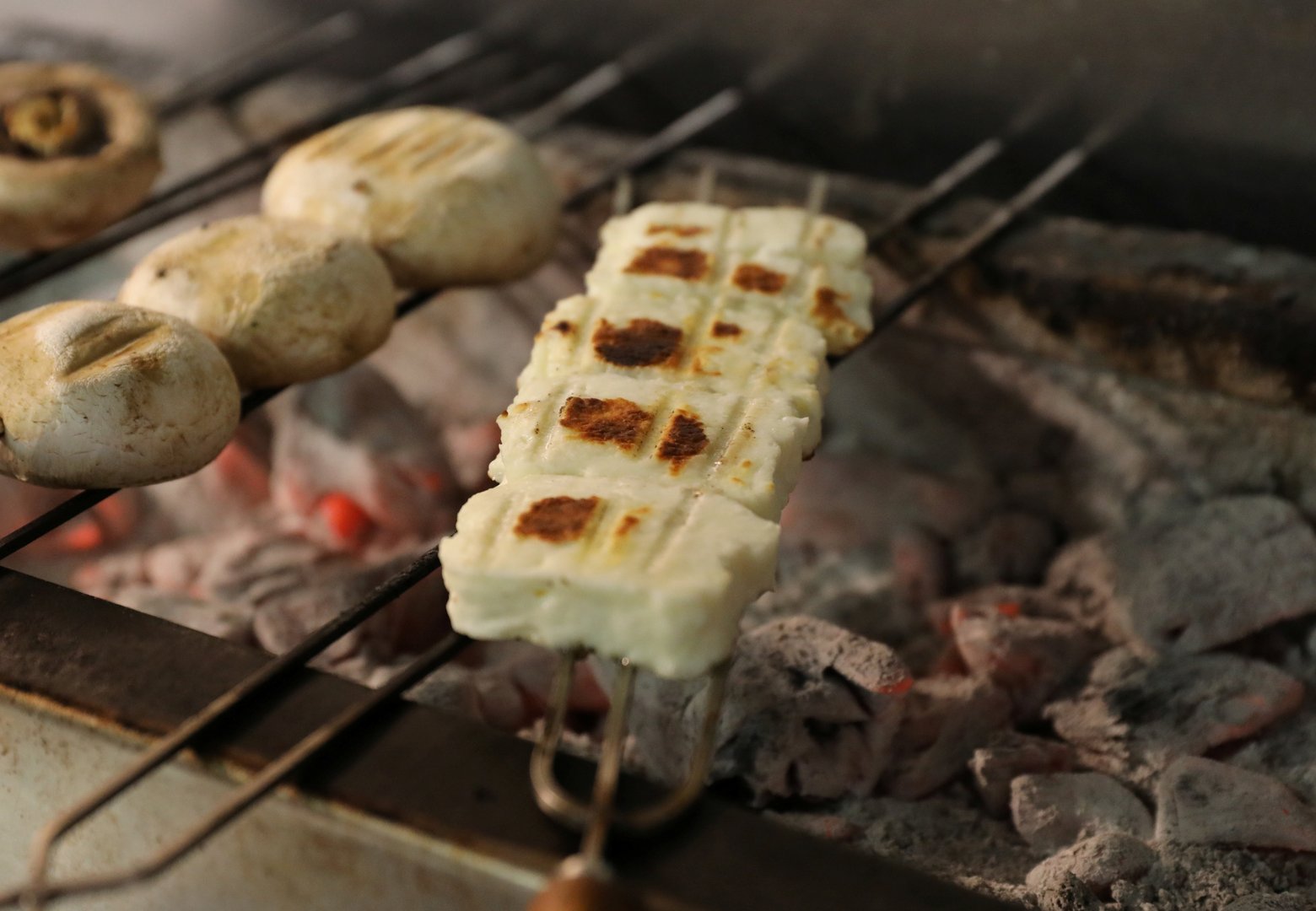
Cypriot halloumi producers could face increased competition from Latin America due to insufficient safeguards for protected designation of origin (PDO) products in the EU–Mercosur trade agreement, the environmental movement said on Thursday.
“In Cyprus and in Europe, livestock farmers and growers express fears about the influx of cheap meat and agricultural products produced using pesticides in Mercosur countries that have been banned for decades in the EU,” it added.
It described the agreement as “colonial-style”, arguing that it primarily benefits large companies exporting technology while placing a heavy burden on local farmers.
“The EU–Mercosur agreement is a blow to the economy and food security of Cyprus. For Cyprus, protecting halloumi and the primary sector in general is a matter of economic survival,” it said.
Warning of unfair competition between large-scale industrial producers and local livestock farmers, the movement said European farmers are concerned about the impact of low-cost imports from Latin America on the European market.
“The result of such agreements, if they pass without drastic changes, will be the destruction of the Cypriot countryside,” it said.
Farmers and representatives of several political parties are set to protest the agreement with a march from Eleftherias Square to the presidential palace on Saturday morning.
On Wednesday, Akel MEP Giorgos Georgiou warned that the Mercosur deal “hangs like a sword of Damocles over the heads of farmers”.
He said safeguards approved by the European Parliament (EP) were insufficient to protect both Cyprus’ agricultural sector and European producers more broadly.
“We have failed to secure protection for basic traditional products,” he said.
Following European Council President Antonio Costa’s support for the provisional implementation of the agreement, the EP on Tuesday voted in favour of supplementary measures aimed at mitigating its impact.
“After Costa announced his intention to temporarily apply the agreement, we were forced to return and vote again on certain safeguards,” Georgiou said, adding that efforts to strengthen protections had so far been unsuccessful.
Georgiou said that as of now, the European Council had not adhered to the proposal to refer the agreement to the European Court of Justice for a ruling on its compatibility with EU treaties.
Such a ruling could take between 18 and 24 months, he noted, warning that the agreement might be implemented beforehand under unclear legal circumstances.
“We voted to send the agreement to the European court so it could judge whether it is compatible or incompatible with the treaties. This was ignored,” Georgiou said.
Farmers union president Michalis Lytras had previously condemned the agreement, saying it was “a tombstone for the agricultural sector.”





Click here to change your cookie preferences