
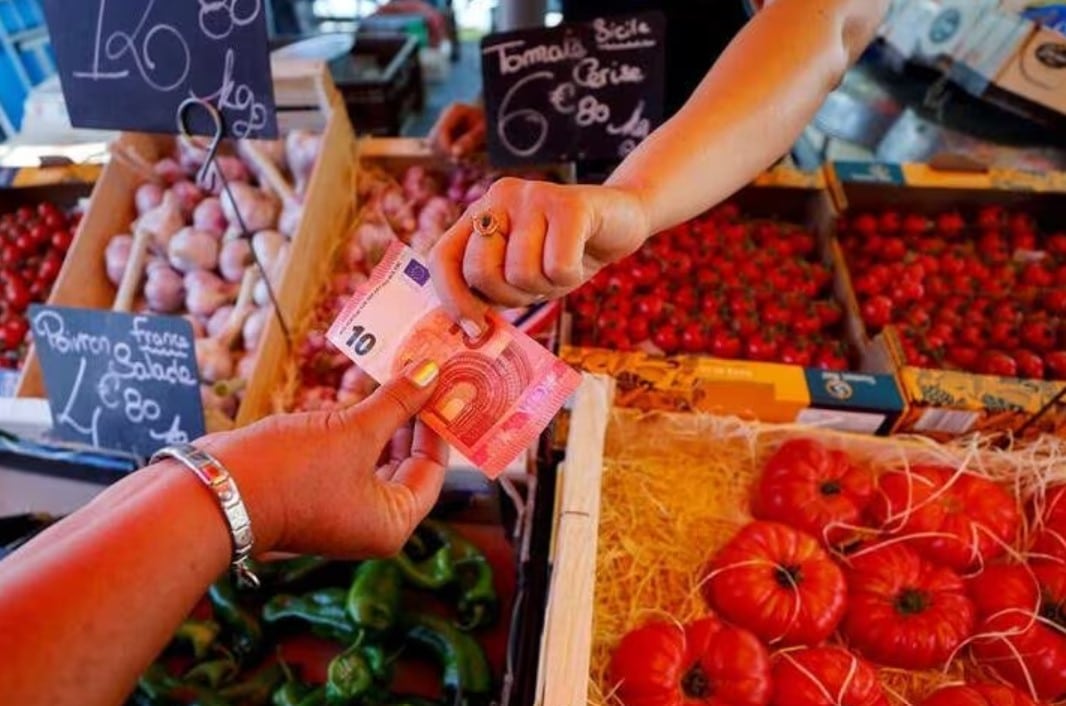
Cyprus’ annual inflation edged up to 0.5 per cent in January 2026, reversing the negative rate recorded in the previous two months, as agricultural prices climbed sharply, according to the consumer protection service’s latest price observatory.
The observatory presents weighted average prices for 250 basic consumer products sold daily in 400 retail outlets nationwide throughout January, offering consumers a comparative snapshot of purchase prices across supermarkets, bakeries and kiosks.
According to the service, the January assessment mirrors data published by the statistical service (Cystat), which showed inflation rising to 0.5 per cent, compared with a negative 0.5 per cent in both November and December 2025.
At category level, the strongest annual increase was recorded in agricultural products, which rose by 8.2 per cent, while electricity and water prices fell by 6.5 per cent and petroleum products declined by 6.1 per cent compared with January 2025.
On a monthly basis, agricultural products increased by 7.9 per cent compared with December 2025, pushing food inflation to 3.5 per cent, up from 1 per cent the previous month.
Out of 45 basic product categories, 35 recorded increases compared with December, while nine posted declines and one category, bottled water, remained unchanged.
Among the largest monthly increases were frozen molluscs and shellfish, which rose by 31.5 per cent and were 22.8 per cent higher than a year earlier.
Fresh vegetables and greens increased by 14 per cent, although they remained 14.2 per cent lower year-on-year.
Flour rose by 9 per cent, frozen fish by 8.5 per cent, baby food by 5.5 per cent, oil by 5.2 per cent, juices by 4.9 per cent, biscuits by 4 per cent, yogurt by 3.2 per cent, pasta by 3.1 per cent, and rice by 3 per cent. In most cases, annual changes were marginal.
By contrast, sugar recorded the steepest monthly drop, falling by 13.4 per cent, though it remained 4.9 per cent higher than in January 2025.
Frozen breaded and pre-cooked meats declined by 11 per cent and were 17 per cent lower year-on-year.
Bread fell by 4.6 per cent compared with December, fresh fish and shellfish by 3.5 per cent, fresh meat by 2 per cent, and cheeses by 1.4 per cent, with most of these categories also showing slight annual decreases.
The service also published updated comparisons for products included in the digital ‘e-kalathi’ platform, which tracks common items across seven large supermarkets.
The number of absolutely common products stood at 255 on 19 February 2026, compared with 248 on 15 January and 228 in mid-October 2025, pointing to a gradual expansion in comparable items across chains.
The gap between the most expensive and cheapest supermarket basket amounted to €138.60 for the 255 common products, corresponding to a difference of 14.5 per cent, with the ranking of supermarkets unchanged across the five recorded periods.
The service reiterated that the observatory is prepared exclusively for information purposes and does not constitute advice. It added that consumers should conduct their own market research, noting that qualitative differences between products may not be reflected in price comparisons.




Click here to change your cookie preferences