
The noise about Videogate and the first lady’s ‘independent social support body’ may have faded, but the issue refuses to go away, despite the government’s efforts. The allegations against Paphos mayor Phedonas Phedonos that led to his suspension and, more recently, the acquittal of the former House president Demetris Syllouris, have taken centre stage for now attracting all the media attention.
People were reminded of the social support body on Wednesday when the House institutions committee discussed a bill which would abolish it. The bill, tabled by the Akel leader, a Disy deputy and an independent, aims to put an end to the body and transferring its responsibilities to the Foundation of Cyprus State Scholarships which has been in operation for years, disbursing financial assistance to students.
Why the granting of financial assistance to needy university students was assigned to an independent body funded by the private sector and administered by the wife of the president, nobody really knows. Financial support for needy students should have been provided by the state rather than being turned into the personal charity of the so-called first lady.
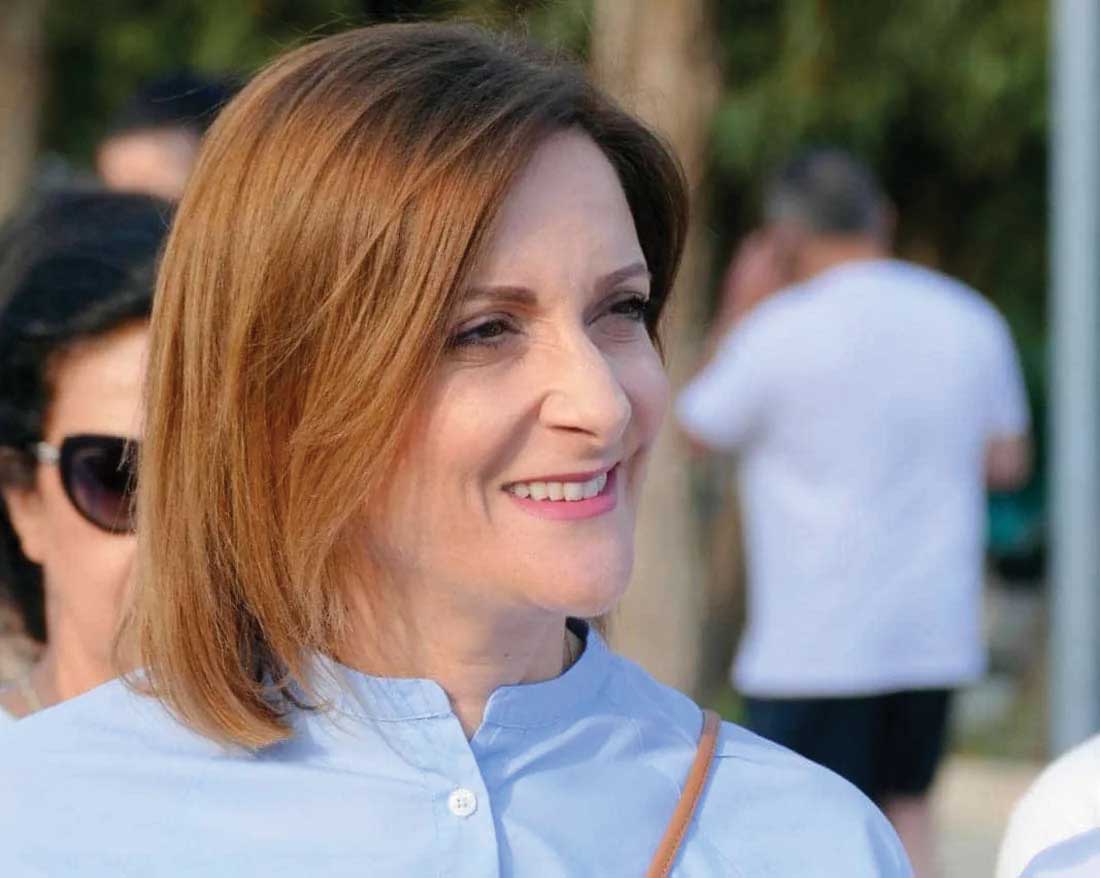
Mrs Karsera Christodoulides took her tole as president of the body so seriously that she was personally involved in the raising of funds from businesses and wealthy individual, even though this was incompatible with her job as a civil servant. It is against the rules of the civil service for a civil servant to have any involvement in the raising of funds from the private sector, but this was conveniently ignored by Mrs Karsera Christodoulides and the presidential palace. Mrs Ansastasiades, the first president of the body, was not a civil servant.
The government appears to have accepted the scrapping of the first lady’s charity, but it wants the authorities of the social support body to be transferred to the Grants and Benefits Service of the finance ministry rather than to the scholarships’ foundation. The government is perfectly entitled to choose the state body that will administer this fund, but it might be a good idea to rationalise student grants and scholarships, which appears to be a free-for-all.
Students with high entrance exams results, for example, are entitled to an annual scholarship which is ludicrous considering they pay no tuition fees at public universities. There are hundreds who receive a scholarship from the state, without being income-tested. This is a mismanagement of limited funds, which should be allocated to supporting needy students rather than to wealthy kids who got high entrance exam marks, because their parents paid for private afternoon tuition. And if these scholarships were not wasted on wealthy students, there would be no need for the state to beg for money from the private sector to help poor students.





Click here to change your cookie preferences