
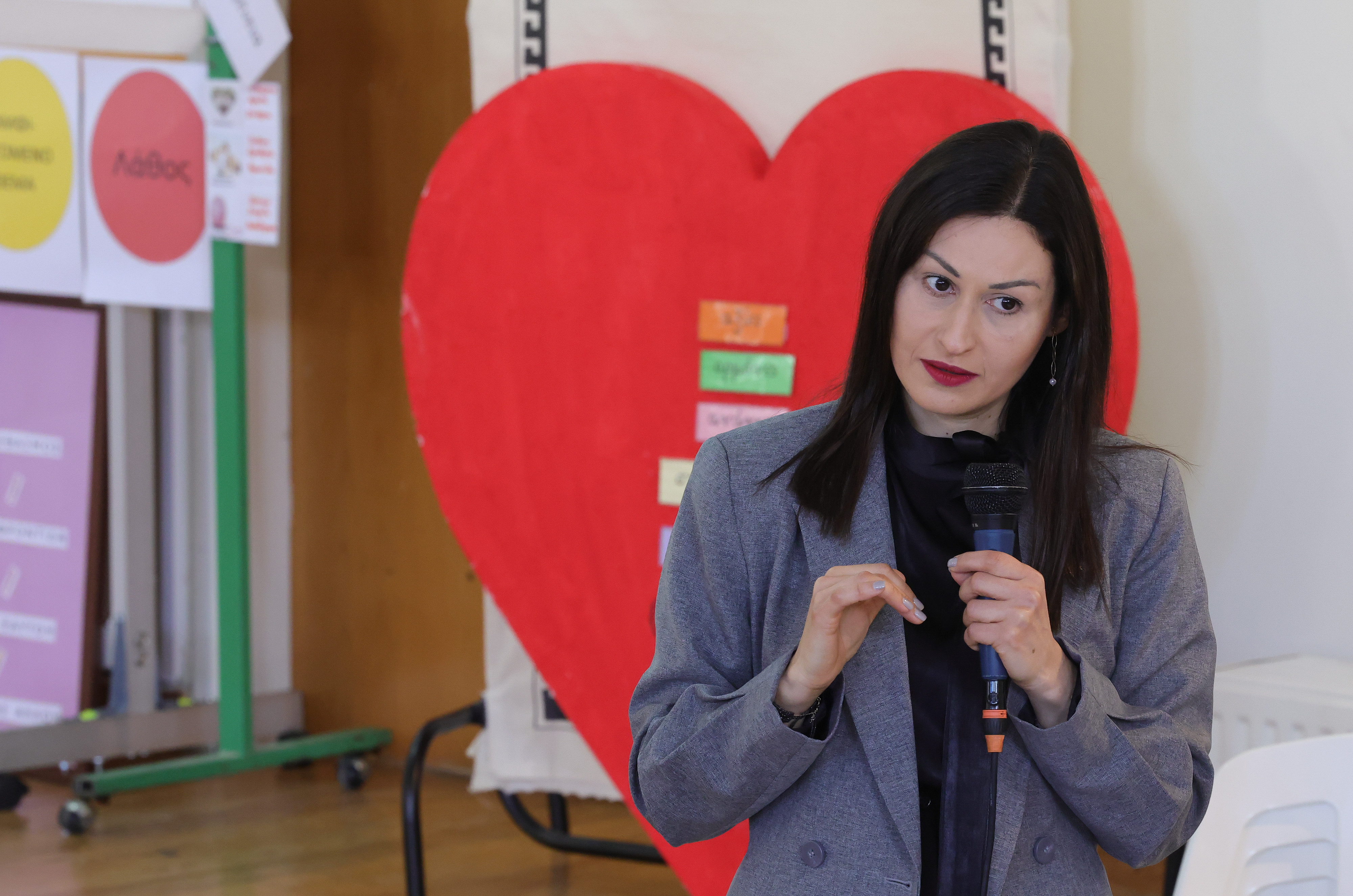
Agriculture Minister Maria Panayiotou on Friday told schoolchildren of the “necessity” of the European Green Deal, saying during a visit to the Latsia high school in the eponymous Nicosia suburb that the progression of environmental policies is “not just an option”.
Her ministry said of the visit that she had “praised the role of education in cultivating environmental awareness and the active participation of young people, as well as the role of the new generation in shaping a more sustainable future”.
It added that she had held an “interactive discussion” with children from the school, and that the children had “raised questions and … concerns about climate change, the course of the European Green Deal, and the challenges they experience”.
She said that the EU “already has a comprehensive legislative framework” to deal with climate change and its effects, and that “the crucial issue today is its implementation, with the aim of achieving climate neutrality by 2050”.
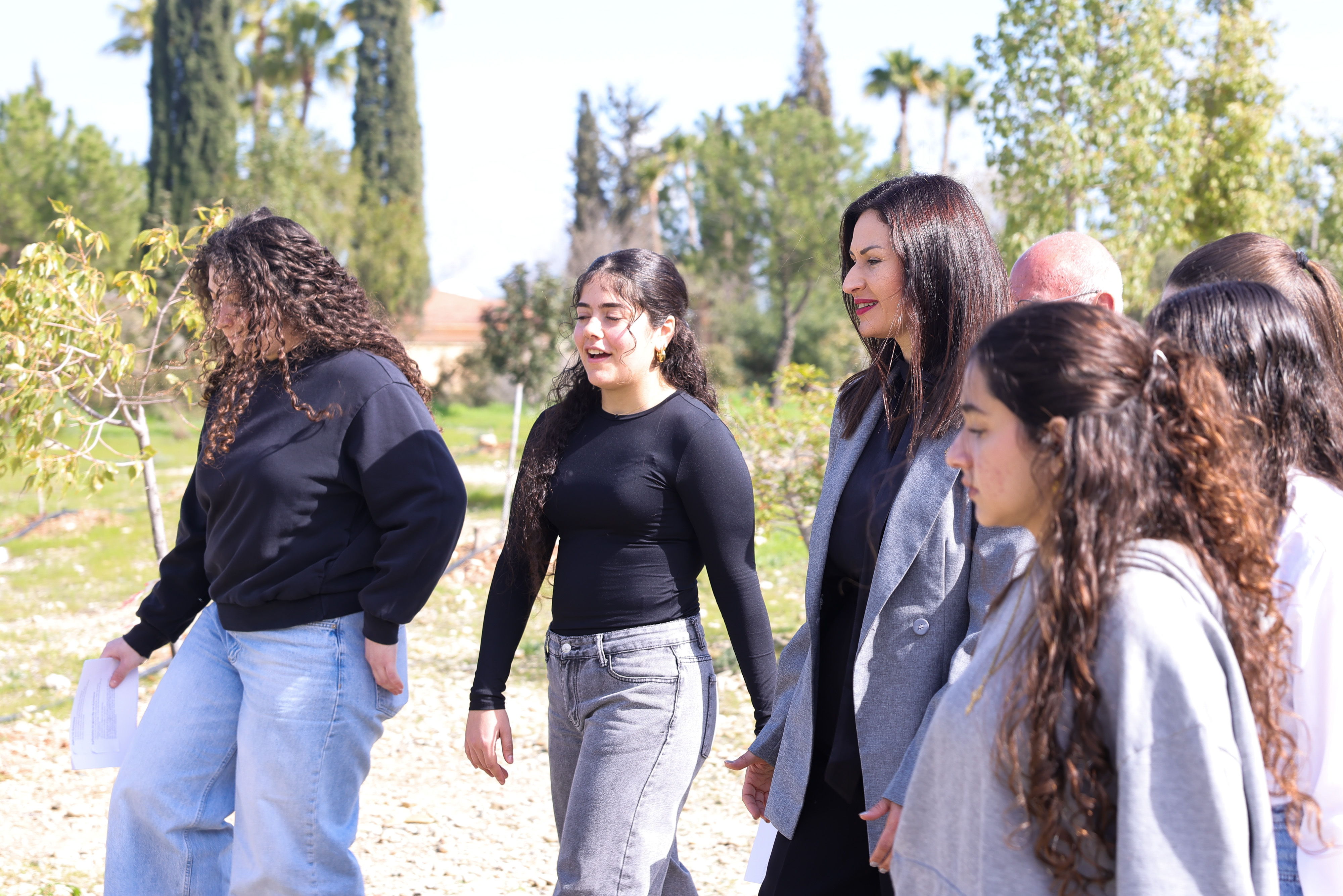
Additionally, she described the European Green Deal as “ambitious but necessary”, before going on to say that “this is not a luxury agenda, but a collective obligation towards the present and the future”.
Asked about the situation in Cyprus, she said the island needs to “strengthen” its capacity in recycling and address the issue of water scarcity.
On this front, she said the government’s plan to deal with water scarcity is “based on three pillars”, which are “the development of infrastructure, such as desalination, the reduction of losses in the network, and the containment of demand through saving [water]”.
The European Green Deal is a wide-reaching EU policy platform which aims to cut the bloc’s carbon emissions by at least 50 per cent by the end of the decade and achieve climate neutrality by 2050.
The latter goal is legally binding, with the European Commission saying that the deal “pushes forward a clear transition that protects people and the planet”, while also being “economically sound and socially fair”.
“The Green Deal invests in innovation, clean technology, and green infrastructure while ensuring a just transition for the communities most affected. Thanks to the European Green Deal, Europeans enjoy cleaner air and more energy efficient products and homes. They are also drawing on more renewable energy sources to power their lives,” it adds.
Policy areas include energy, with €275 billion having been invested in “clean” energy investments so far, as well as agriculture, transport, industry, and finance.


Click here to change your cookie preferences